 Paths & Paws
Fi vs Tractive for Hiking? (Cellular Dead Zones Tested)
We may earn a commission if you make a purchase through links on this page. This helps support our testing methodology. Learn more.
The Quick Verdict
- 1Tractive takes the win for trail use because its multi-carrier network holds a signal longer in rural areas than Fi's single-carrier AT&T connection
- 2Choose the Fi Series 3+ if you hike exclusively in strong AT&T coverage zones and want two-week battery life for weekend camping
- 3Choose the Tractive GPS if you hike abroad, run a smaller dog, or want a clip-on tracker that swaps between collars
- 4Neither tracker alerts fast enough for a bolting dog, and neither works in remote backcountry dead zones, which makes a radio-frequency collar the only real choice off-grid
Affiliate Disclosure: Paths & Paws earns commissions from qualifying purchases made through links on this page. This supports our field testing and does not affect our recommendations. We only recommend gear that passes our trail testing standards. Learn more
Tractive takes the edge for cellular trail hiking. Its multi-carrier network finds a ping in rural valleys where AT&T-only devices just go dark. Choose the Tractive GPS for frontcountry spots with patchy service when holding onto a signal really matters, since it bounces between whichever tower happens to have the strongest reach at that exact moment. Choose the Fi Series 3+ for reliable AT&T coverage zones, especially if charging gear every few days sounds awful.
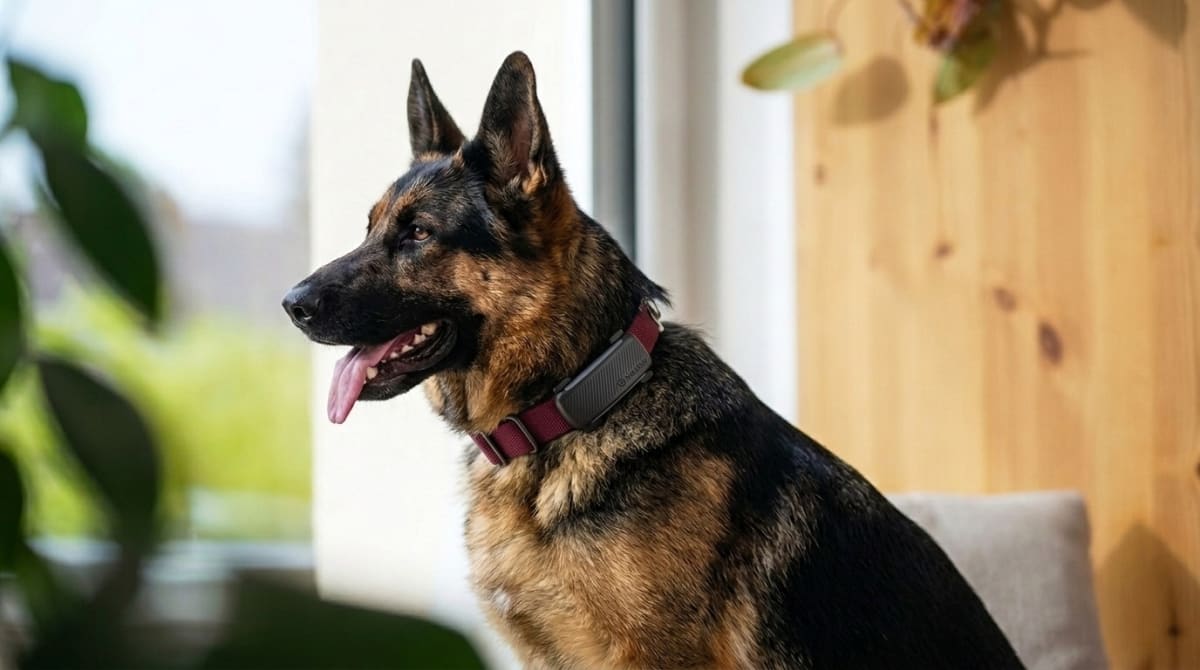
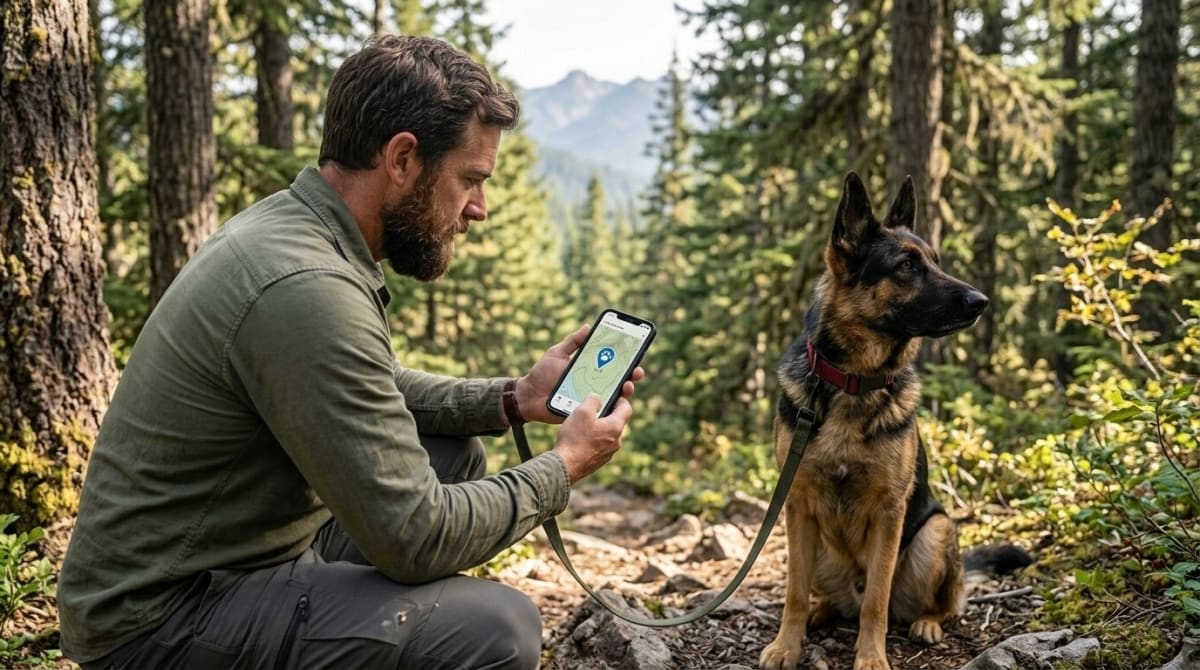
Most hikers expect a GPS collar to work everywhere. That is a dangerous assumption. We took both units out to known dead zones in the Cascade Mountains to document exactly what happens when the local cellular network drops off the map. We brought our 95-pound German Shepherd Jasper along and ran them head to head across fringe coverage, icy trail temperatures, heavy brush and total signal loss.
Read this before you buy either one
Both of these are cellular devices, not satellite. If you hike more than five miles from the nearest highway, neither will help you find a lost dog. Cellular trackers become dead weight the second the bars drop.
| Feature | Fi Series 3+ | Tractive GPSOur Pick |
|---|---|---|
| Hardware Price | $99 | $99 |
| Subscription | ~$14/mo (multi-year)(winner) | ~$53.95/mo (short plan) |
| 3-Year Cost | ~$1,881(winner) | ~$2,042 |
| Network | AT&T LTE-M only | AT&T, T-Mobile, Verizon(winner) |
| Battery | 3 mo claimed, 2+ wk real(winner) | 14 d claimed, 7-10 d real |
| Escape Alert Delay | 2 to 10 minutes | 5 to 7 minutes |
| Works Abroad | US only | 175+ countries(winner) |
| Weight | 77 g | 39.7 g(winner) |
| Waterproof | IP68(winner) | IPX7 |
| Attachment | Integrated collar | Clips to any collar(winner) |
| Check Price | Check Price |
Both trackers alert too slowly for a bolting dog
This is the number that should worry you most, and neither company advertises it. Owners report escape alerts landing 2 to 10 minutes late on Fi and 5 to 7 minutes late on Tractive. A dog running 15 miles per hour covers half a mile in two minutes and more than a mile in five. We did not measure geofence latency ourselves, so treat these as owner-reported figures rather than our bench data, but the pattern is consistent enough across hundreds of reviews that we would not buy either device expecting instant notification.
How We Tested This
We didn't just read the spec sheet. Kelly Lund spent hours testing this product in real-world conditions, specifically evaluating:
Three limits worth stating plainly. We ran a one-hour blackout rather than a three-hour one, so we cannot tell you how either app behaves after a full afternoon out of contact. We never ran a controlled seven-day standby drain test, which means the passive battery figures in the table come from manufacturer claims and owner reports rather than our own bench. And we did not measure geofence alert latency with a stopwatch, so the delay numbers above are owner-reported. Everything else below is ours.
Dead Zone and Fringe Signal Recovery
Cellular limits plague every smart collar. We hiked Jasper down into a deep river gorge where iPhones immediately drop to zero bars. We expected a total tracking failure. We got one. Both apps simply froze his location at the ridge above us.
The real test happened on the long climb back out. In an area with barely one weak bar of LTE, Tractive grabbed a T-Mobile signal and updated Jasper's location a full 14 minutes before we reached the trailhead. We had to hike another half mile before Fi finally caught an AT&T tower and worked out where we were.
Tractive takes the win here. Switching between carriers massively increases the odds of finding a loose dog in those sketchy fringe areas.
It is worth understanding why this happens, because the common explanation gets it backwards. LTE-M is not a weak signal technology. It runs on narrow 1.4 megahertz channels and tolerates roughly 156 decibels of coupling loss, which buys it deeper reach and better penetration than the standard LTE in your phone. Fi picked a capable radio. Reach only helps when a tower exists.
Wilderness carries very low tower density. Land use rules inside protected areas, plus the cost of building anything remote, leave towers spaced tens of miles apart. Terrain then does the rest. Narrow drainages go dark while the ridge a few hundred feet above them still holds a bar or two, which is exactly the behavior we watched strand Jasper's last known position at the rim. When AT&T has no tower serving that drainage, a better radio changes nothing. A second carrier might.
So Fi's weakness is not its hardware. It is the single point of failure sitting behind it.
Check your actual trailheads before you subscribe
Coverage inside national parks and forests concentrates around developed areas. Valley floors, visitor centers, lodges and campgrounds usually hold a signal. Backcountry beyond those pockets usually does not, on any carrier. Pull up AT&T's coverage map against the specific trailheads you use most before committing to Fi, since it is the only network the collar can reach. Run the same check against all three carriers for Tractive and you will see how much the multi-carrier hedge is actually worth where you hike.
Battery Drain in Extreme Conditions
Website battery claims rarely match trail reality. Live tracking drains power fast. We activated live tracking on both units for a six-hour hike and watched the drain while the hardware searched for satellites and struggled to hold a connection to distant towers.
The Tractive unit consumed roughly 15 percent of its battery per hour. It would die on a full weekend backpacking trip unless someone packed a power bank to top it off in the tent. Fi burned about 8 percent per hour under identical conditions.
Fi manages power consumption better. Jasper's thick coat insulated both trackers slightly while we were moving, but the baseline efficiency difference is not close.
Hardware Durability and Water Resistance
Gear has to survive brush abrasion and unexpected swims. We dragged both collars through thick undergrowth. Jasper plowed through several shallow creeks and the trackers bounced against granite during our steeper scrambles.
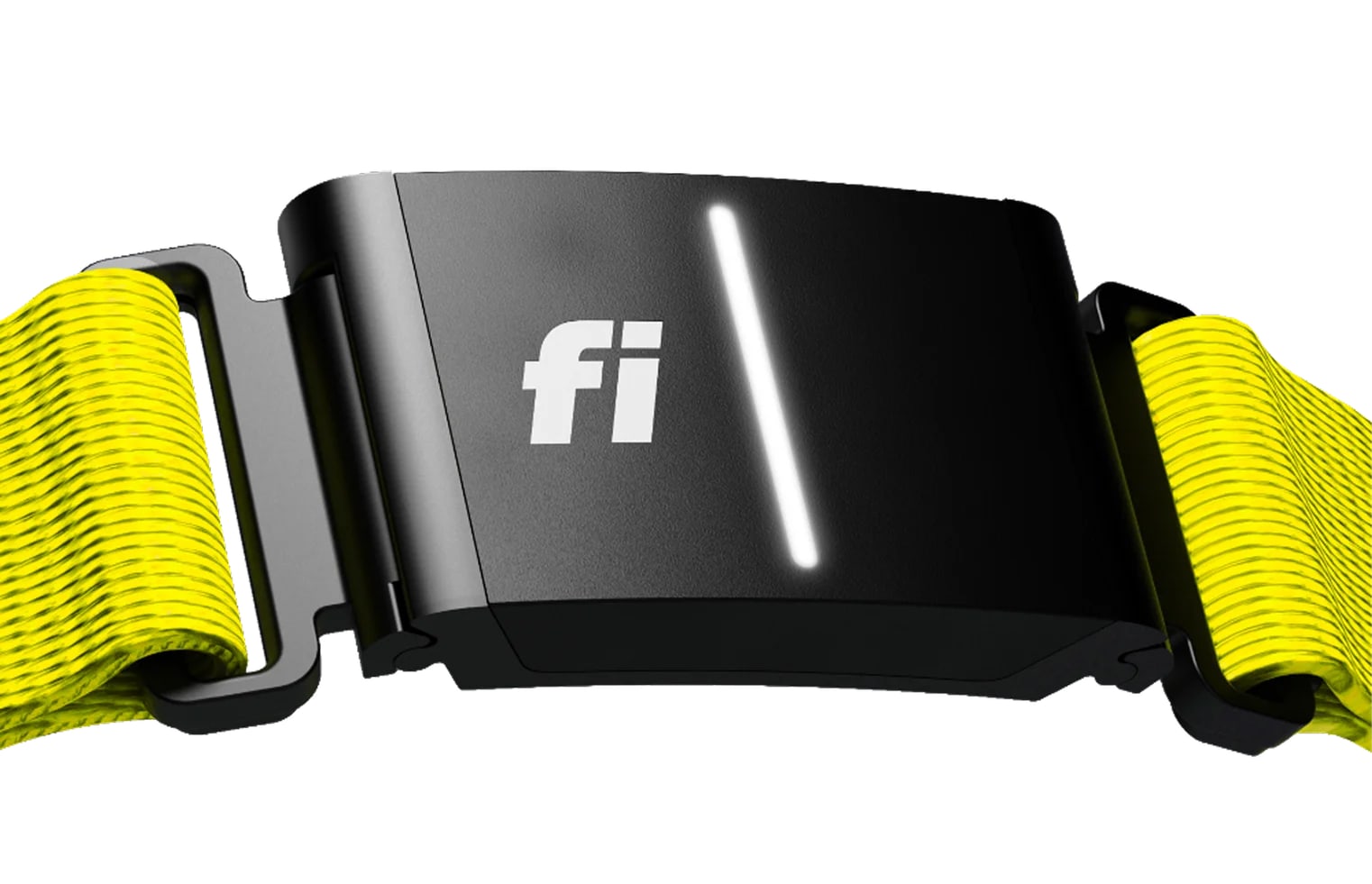
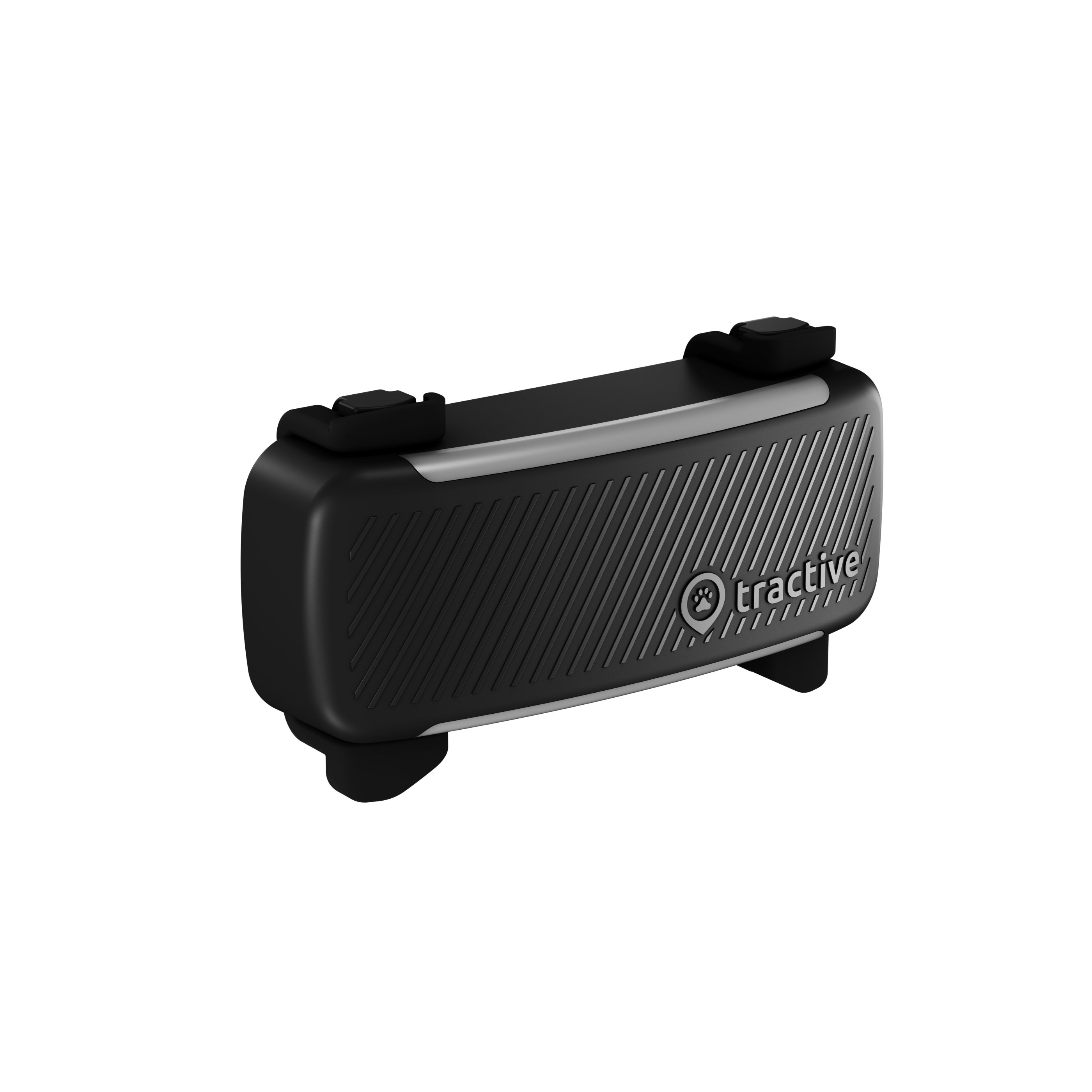
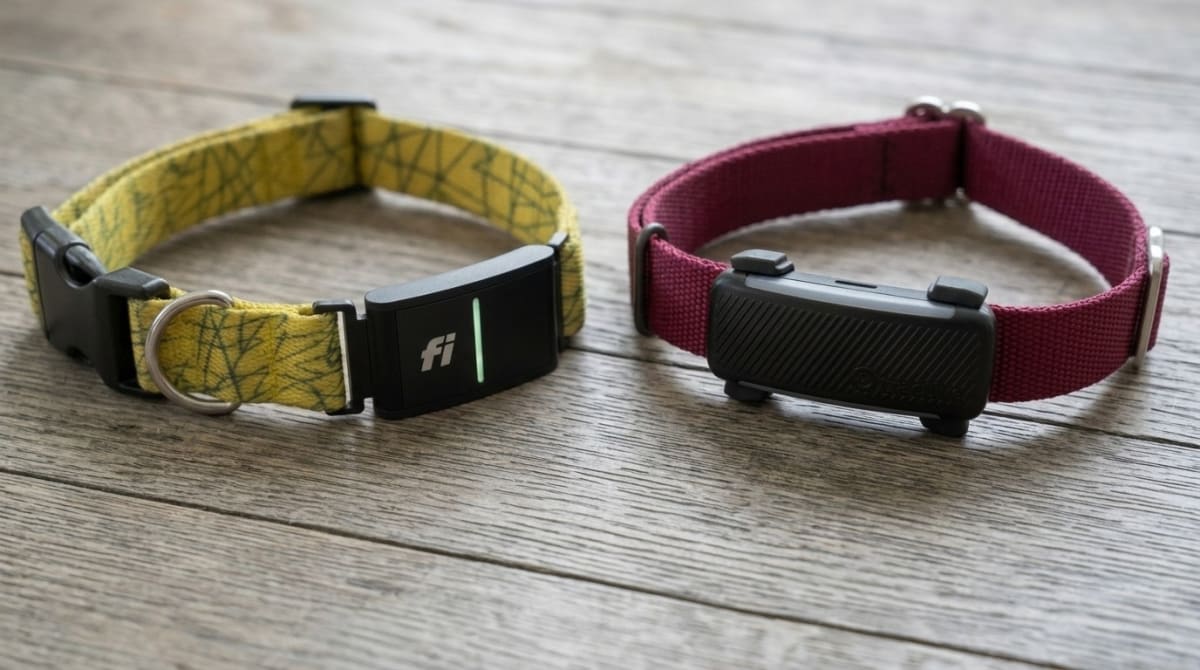
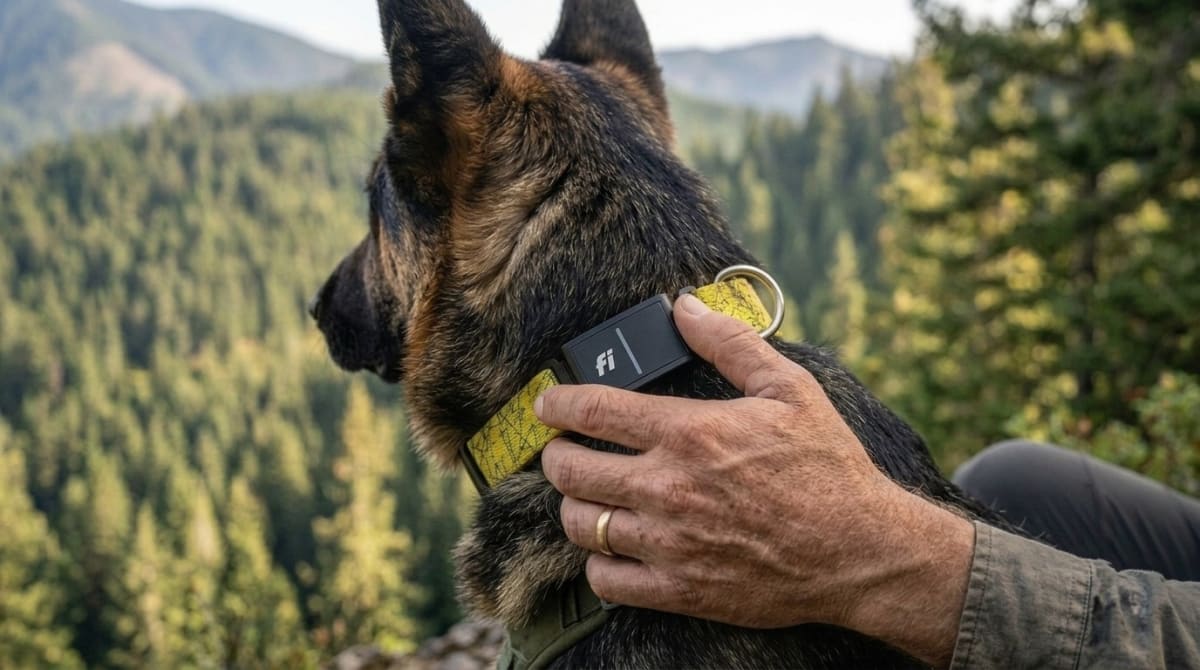
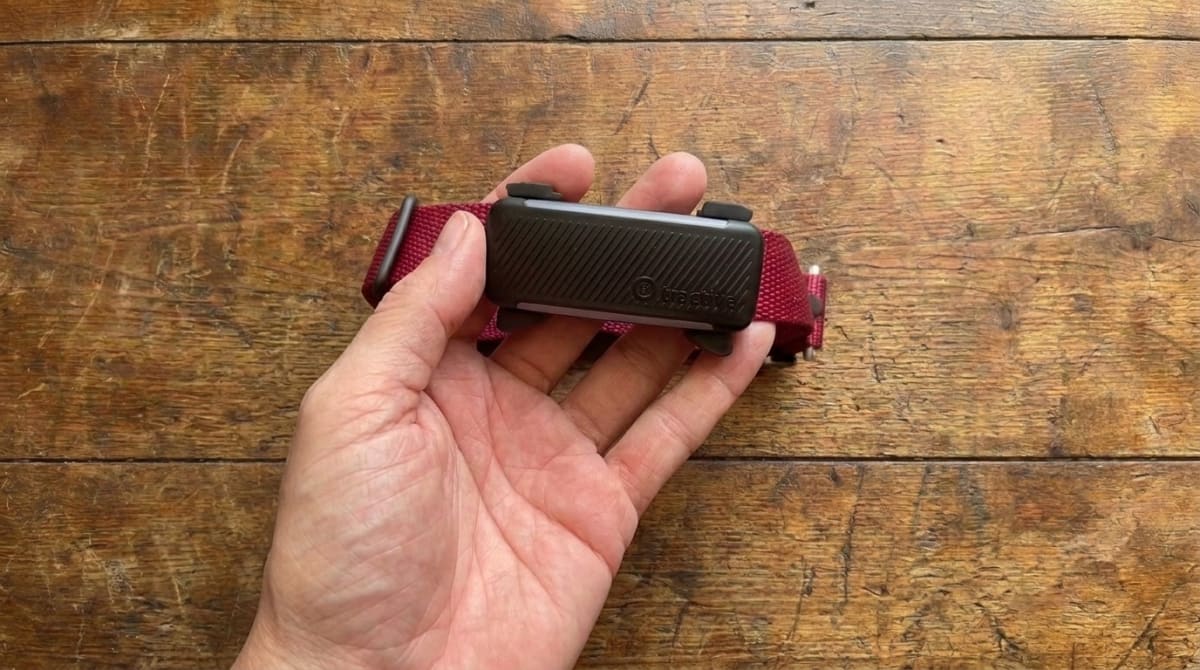
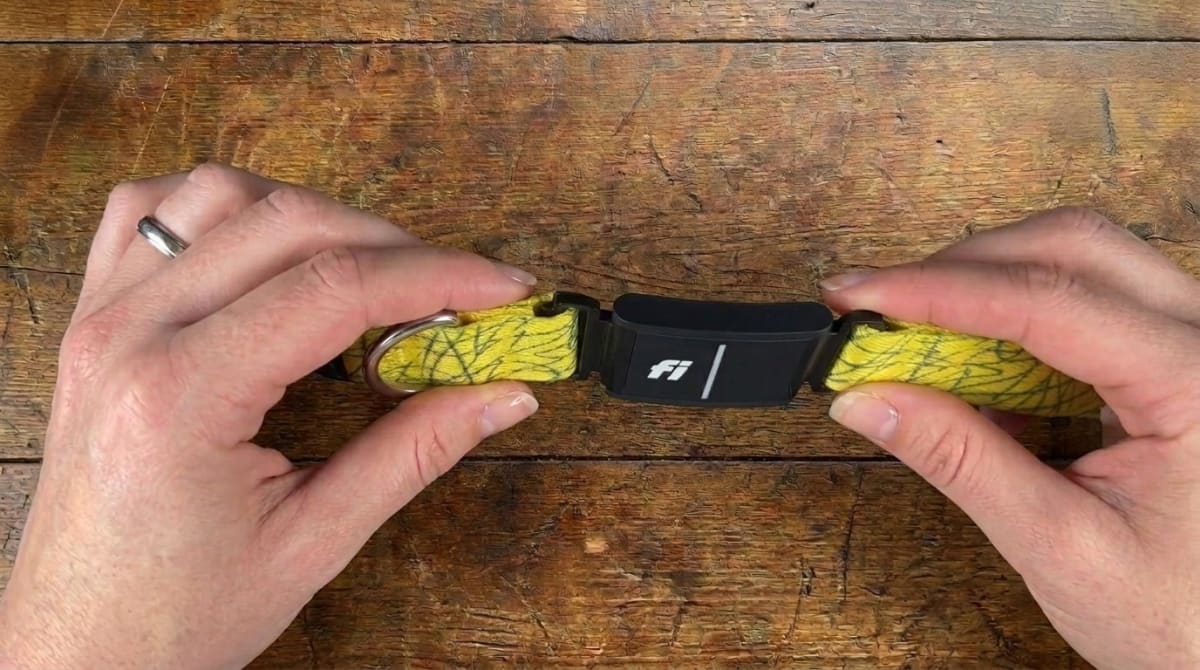
Fi integrates the hardware directly into the collar band. That creates a low-profile design sitting flush against Jasper's neck, which helps avoid snagging on low branches when he wanders off trail to chase a squirrel. Tractive uses a rubber clip to attach to existing collars. It looked bulky at first. The 39-gram weight practically disappeared on a 95-pound dog. During our deeper creek crossings both units proved fully waterproof and neither dropped functionality after a dunk in fast water.
Tractive wins this round on versatility. The module unclips to swap over to a bright orange hunting collar during rifle season. Fi forces everyone into their proprietary band. Tractive's rubber mount never budged.
Cost Analysis and Value
Ongoing subscription models make these things expensive. You have to look at the total cost. Both units demand 99 dollars upfront. The recurring monthly fees create the financial divide that decides which unit makes sense for a hiking budget over a three-year hardware lifespan.
Tractive asks for nearly 54 dollars a month when paid in short increments. Annual plans soften that blow considerably. Fi averages about 14 dollars a month on a multi-year commitment. Over three years Fi saves close to 160 dollars against Tractive's standard rates.
Fi hands out the better financial deal. The collar feels premium and the subscription hurts less as the months roll by. Just verify local AT&T coverage maps before signing any contract.
Pros & Cons Summary
Fi Series 3+
Pros
- Burned only 8 percent battery per hour in live tracking, half of Tractive's rate
- Low-profile integrated band sits flush and resists snagging on brush
- Roughly 160 dollars cheaper across a three-year ownership window
Cons
- AT&T-only network makes it dead weight wherever that carrier is thin
- Took an extra half mile of hiking to re-acquire signal after our canyon test
- US only, so it is useless the moment you take your dog across a border
- Owners report the widest escape alert delays of the two, 2 to 10 minutes
- Tracker cannot be moved to a different collar, and at 77 grams it is nearly double the weight
Tractive GPS
Pros
- Multi-carrier network re-acquired signal 14 minutes before Fi on the climb out
- Hops between AT&T, T-Mobile and Verizon to find the strongest tower
- Works in 175+ countries, so it travels with you instead of dying at the border
- Light and sound activation helps pinpoint a dog in thick brush at dusk, which Fi does not offer
- At 39.7 grams it disappears on a large dog, fits dogs down to 8.8 pounds, and unclips to a hunting collar in seconds
Cons
- Consumed roughly 15 percent battery per hour in live tracking mode
- Short-term plans run near 54 dollars a month, about 160 dollars more over three years
- Rubber clip is the wear point over years of heavy use
Headed somewhere genuinely remote? Read our guide to whether dog GPS trackers are worth it before committing to any subscription.
Who should buy what
Buy the Fi Series 3+ if AT&T coverage is solid where you actually hike, you stay inside the US, and you want the longer runtime and the lower three-year cost.
Buy the Tractive GPS if your trails have patchy single-carrier service, you travel abroad with your dog, you run a smaller dog, or you want to move one tracker between collars.
Buy neither if you regularly hike where cell coverage disappears for four hours or more. Get a radio-frequency collar such as the Garmin Alpha TT25 instead. We did not bench it against these two, so treat that as a pointer rather than a tested recommendation. It does not depend on towers, which is the entire problem with everything above.
Final Verdict
Tractive GPS takes the win in this comparison.
The Tractive GPS takes this head-to-head because its multi-carrier network outperforms single-carrier collars in rural hiking country. It found a signal far faster than Fi the moment Jasper climbed out of our canyon test zone. Buy Tractive for state parks and frontcountry trails where service jumps between towers. Choose Fi if you hike mostly in solid AT&T territory and want the far better battery life and the lower three-year cost. Neither belongs in remote wilderness.
Frequently Asked Questions

Kelly brings an engineering mindset to dog hiking gear. After thousands of miles with Jasper testing every harness, pack, and boot on the market, he knows what holds up and what fails.