 Paths & Paws
Ruffwear Front Range vs Web Master (Which Handles Scrambles?)
We may earn a commission if you make a purchase through links on this page. This helps support our testing methodology. Learn more.
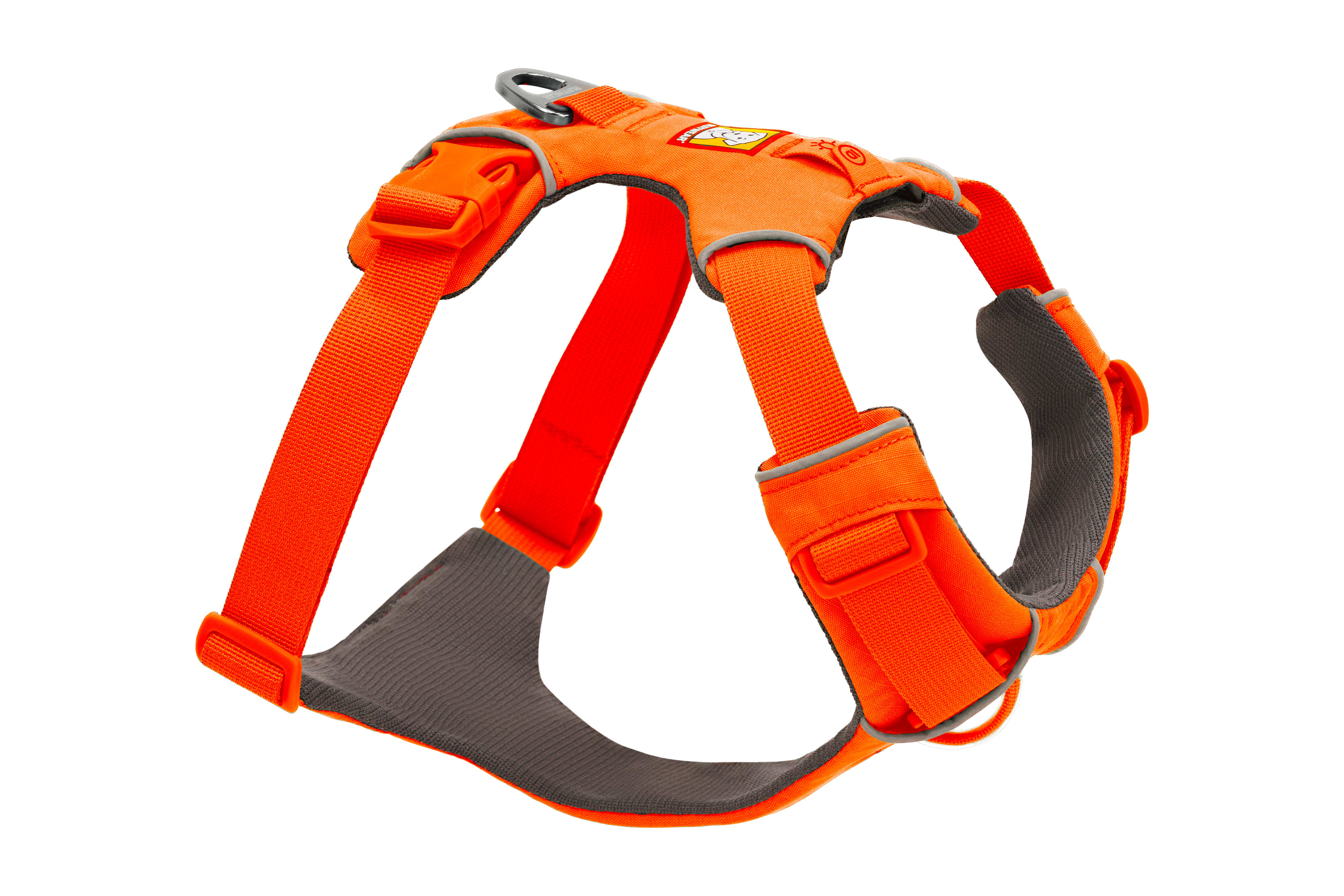
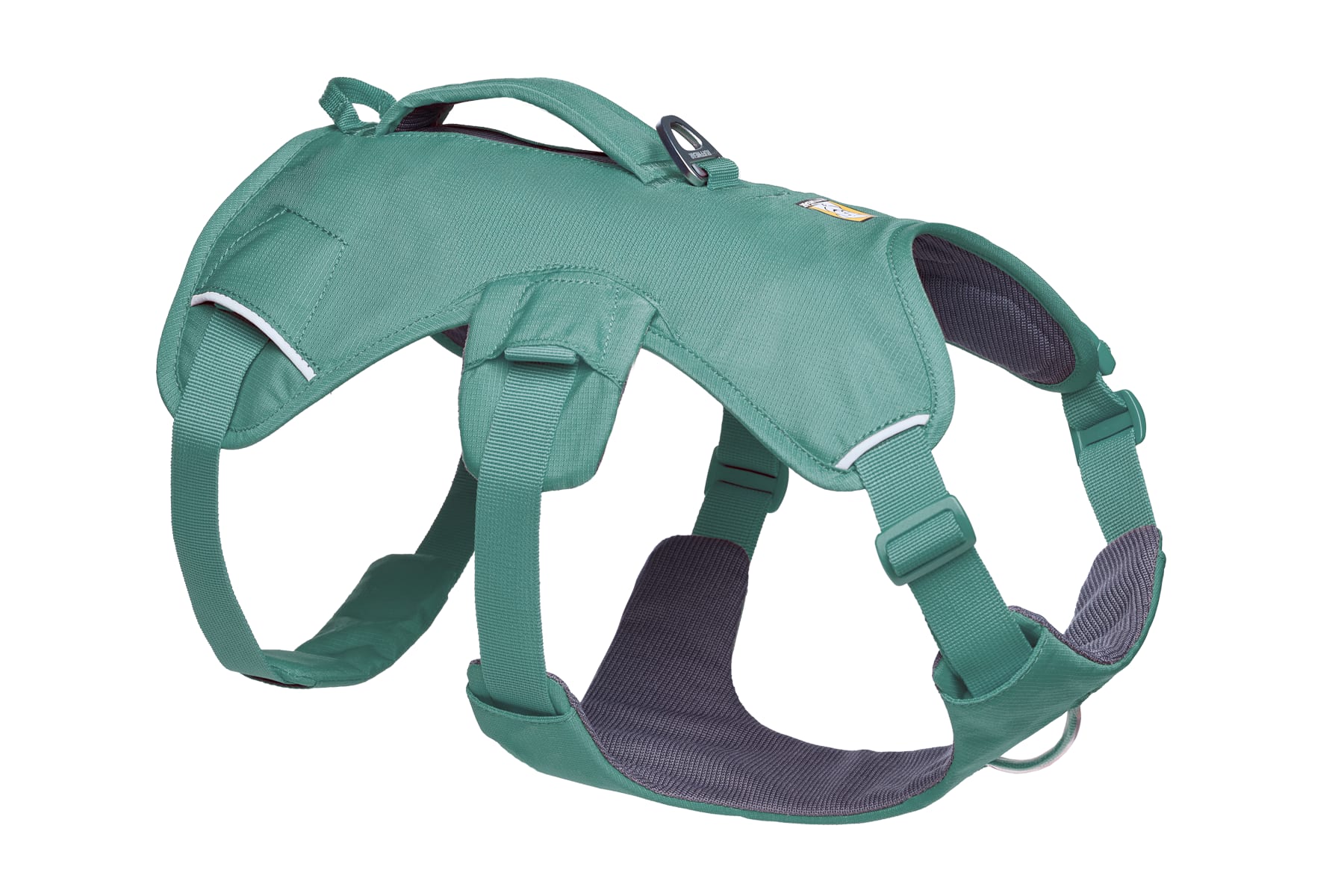
The Quick Verdict
- 1The Ruffwear Web Master takes the win for technical scrambling since the handle and belly strap provide mandatory support over obstacles
- 2Pick the Web Master if your dog backs out of gear or needs a serious lift on steep rock
- 3Grab the Front Range for hot weather and flatter miles
- 4The Front Range costs twenty dollars less and surprisingly runs a thicker 300D shell fabric than the premium model
Affiliate Disclosure: Paths & Paws earns commissions from qualifying purchases made through links on this page. This supports our field testing and does not affect our recommendations. We only recommend gear that passes our trail testing standards. Learn more
The Web Master easily beats out its sibling for steep hiking and obstacle-heavy routes. That third belly strap and padded lift handle give you the actual grip needed to haul a heavy 95-pound dog over wet boulders without wrecking your shoulder or slipping a buckle. Choose the Web Master for scrambles or if you have a dog that panics and backs out of normal gear on exposed ledges. Grab the Front Range for flat trails. It breathes better. It also keeps twenty bucks in your pocket while running a thicker shell fabric, and that matters when you end up pushing through dense brush. Both harnesses carry the same logo but they belong on entirely different trails.
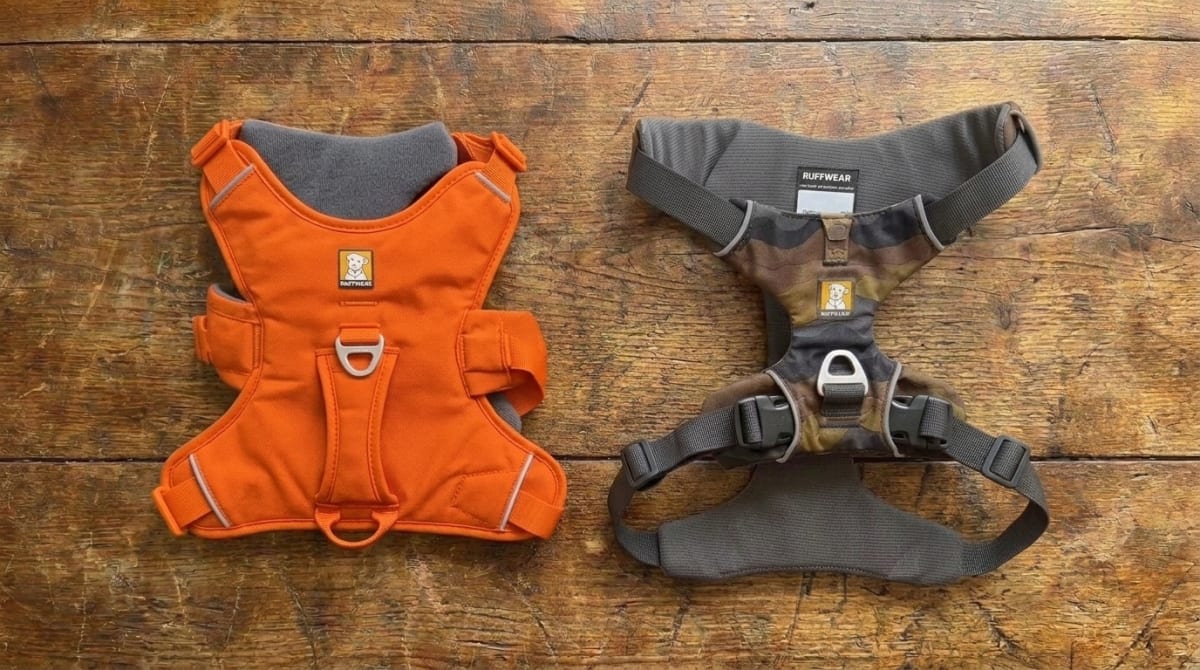
We keep seeing hikers try to haul a panic-frozen dog over a boulder using a basic walking harness. Stop. That is a fast way to slip a strap or blow out a rotator cuff. We ran the Ruffwear Front Range against the Ruffwear Web Master on rocky terrain to see which one actually belongs in the alpine. Both products share the exact same brand logo but they do entirely different jobs once you leave the packed dirt path and start dealing with actual elevation gain and unpredictable vertical drops. The Web Master costs more and looks rugged. Yet the cheaper Front Range uses thicker fabric. We pushed both harnesses on our 95-pound German Shepherd Jasper over boulder fields to map out exactly where each one fails.
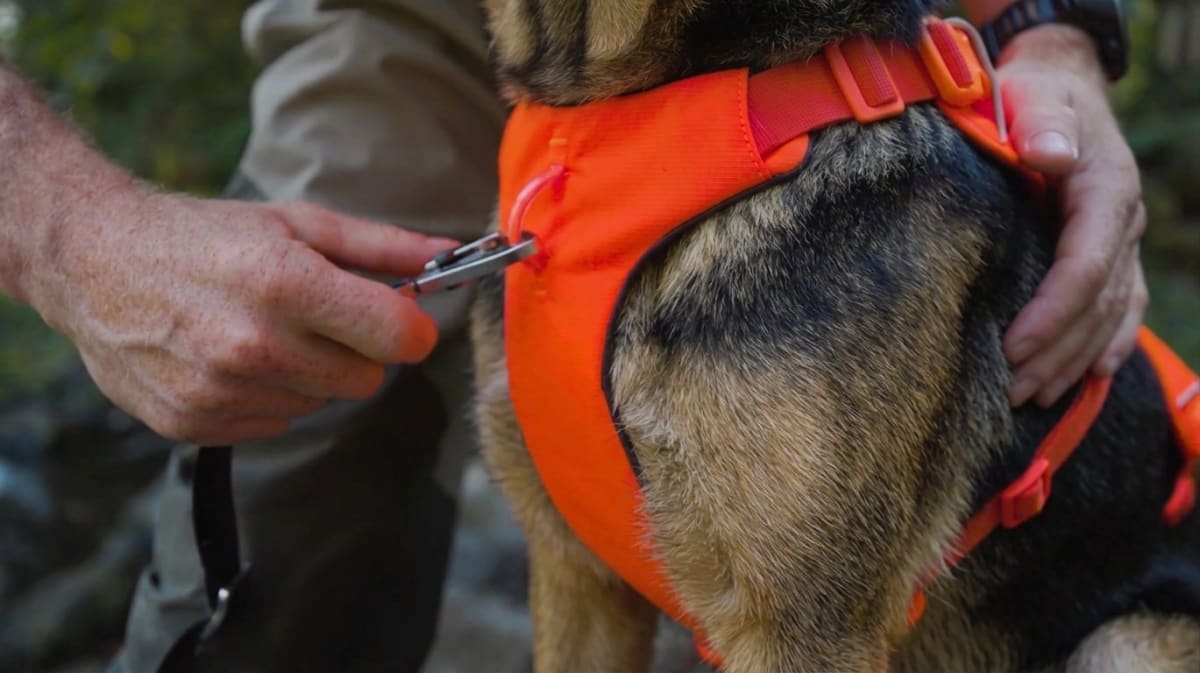
At $59.99 the Front Range runs twenty dollars cheaper than the $79.99 Web Master. The fabric specs invert all basic intuition. The budget-friendly Front Range relies on a thick 300D polyester ripstop shell. The pricier Web Master uses lighter 150D ripstop. Both pieces of gear give you four points of adjustment to dial in the fit. The Web Master brings a mandatory third belly strap and a padded lift handle to the table. The Front Range has two leash attachment points, utilizing a standard aluminum V-ring on the back and a reinforced webbing loop encased in tough TPU right on the chest plate. The Web Master gives you three attachment points and adds a neck buckle so you don't have to drag it over a wide skull. Neither harness publishes an official per-size weight on the spec sheet.
| Feature | Ruffwear Front Range | Ruffwear Web MasterOur Pick |
|---|---|---|
| Price | $59.99(winner) | $79.99 |
| Shell Material | 300D polyester ripstop(winner) | 150D polyester ripstop |
| Adjustment Points | 4 | 4 |
| Leash Attachment Points | 2 | 3(winner) |
| Belly Strap (Escape-Resistant) | (winner) | |
| Lift Handle | (winner) | |
| Neck Buckle | (winner) | |
| Check Price | Check Price |
We swapped between both harnesses on Jasper over alternating weeks on steep mountain grades. We tracked load shift on descents. We checked breathability on hot climbs. We also spent time analyzing the raw security of the strap layouts when Jasper hit the end of the leash hard after spooking at a blind trail corner.
How We Tested This
We didn't just read the spec sheet. Kelly spent hours testing this product in real-world conditions, specifically evaluating:
Escape-Resistance & Security
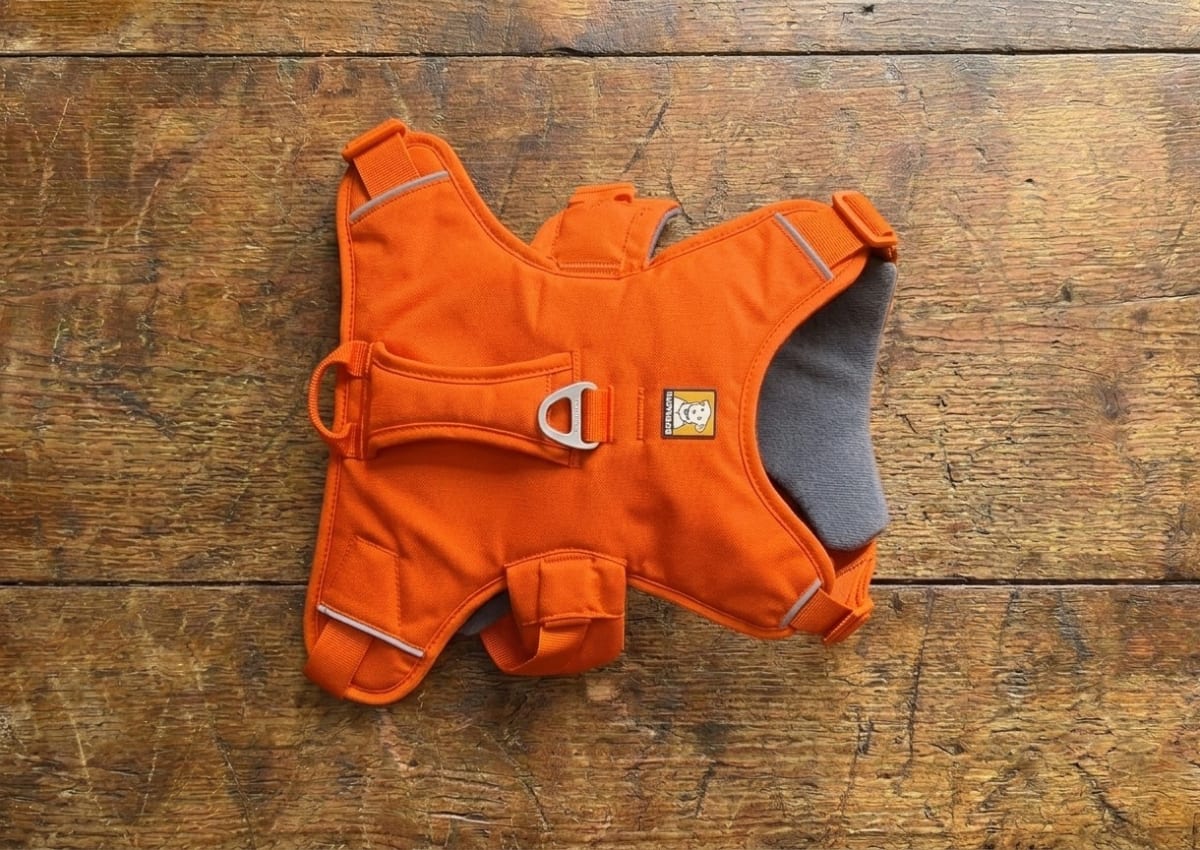
Security decides whether a dog stays attached when a rabbit bolts across a narrow ridge drop-off. We pushed both designs hard under sudden lunges and backward pulling. The Web Master relies on a three-strap layout. The critical third strap wraps directly behind the ribcage around the belly.
The Front Range uses a standard two-strap design without any belly band. When Jasper hit the end of the leash and spun backward during a sudden stop, there was nothing behind his ribcage holding the Front Range in place. A determined dog can absolutely back out of a two-strap harness if the fit is even slightly loose. The Web Master locked in tight. That belly strap completely prevents the entire chassis from sliding forward over the ribcage.
The Web Master takes this category easily. The third strap holds. It operates as a true escape-resistant design. The Front Range delivers great everyday security but it will never stop a dedicated Houdini dog...
Lift Assistance & Scrambling
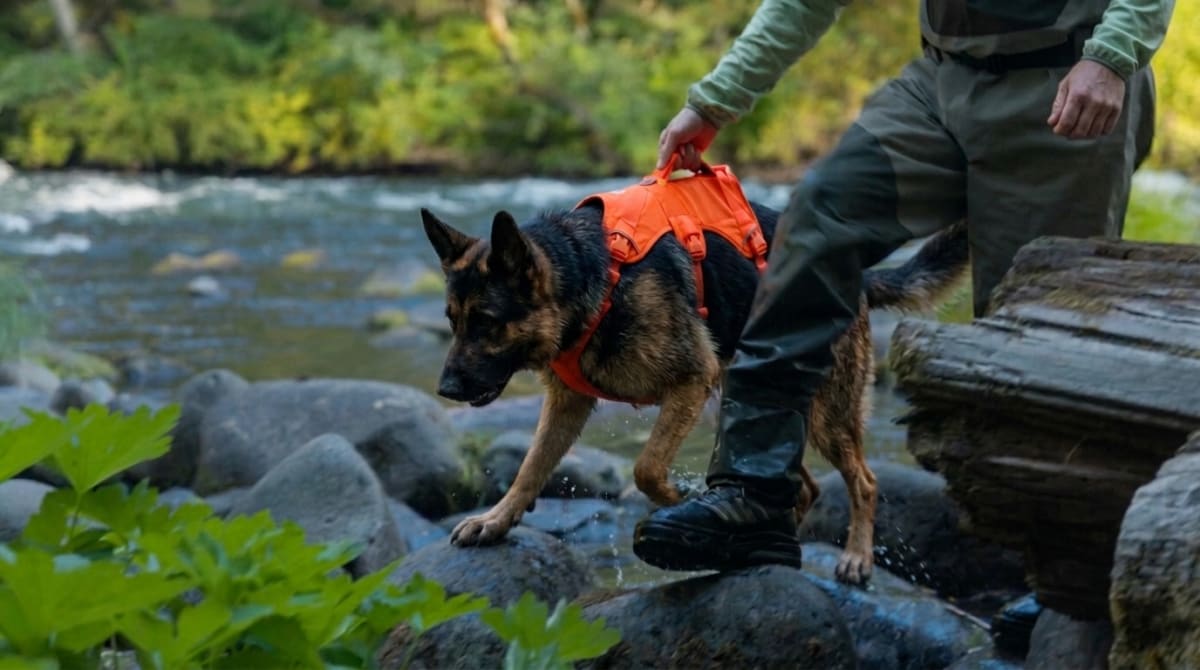
Technical hiking demands teamwork. You will eventually need to hoist a heavy dog over a downed tree or up a steep rock step. We tested how each harness handles raw manual lifting on ugly trail obstacles.
The Web Master integrates a padded lift handle directly into the load-bearing frame. When Jasper stalled out at an awkward three-foot rock ledge we used that handle to grab him and guide his 95-pound bulk upward safely without throwing off his scrambling balance. The wide chest and belly panels distribute that lifting force evenly across his torso. The Front Range lacks a handle entirely. You cannot safely lift a dog by a metal leash clip. If you try to grab the back panel of the Front Range you just bunch the fabric and pinch the skin.
The Web Master wins on climbing utility. We trust that handle. The panels spread the load well before it digs into the ribs.
Fabric & Shell Durability
Trail gear grinds against rough granite and snagging deadfall constantly. We examined the shell materials and hardware on both pieces of gear after weeks of rock abrasion. The fabric specifications completely invert common sense.
The budget Front Range uses a rugged 300D polyester ripstop shell. The premium Web Master relies on a surprisingly thin 150D shell. That thicker shell is the one you want pushing through thorns. Yet the Front Range chest clip is the part we trust least. It relies on reinforced nylon webbing sitting inside a molded TPU tube rather than solid metal hardware, which feels like a strange compromise on a harness built for heavy dogs. We never managed to break it but strong pullers definitely test that fabric loop hard over time. The Web Master gains its overall lifespan from its reinforced frame construction rather than raw shell thickness.
The Front Range wins for sheer fabric abrasion resistance. The 300D shell takes a serious beating.
Comfort & Heat Retention
Heat management ruins more summer hikes than bad footwear ever will. We monitored Jasper closely for panting and heat stress during warm afternoon climbs in both setups.
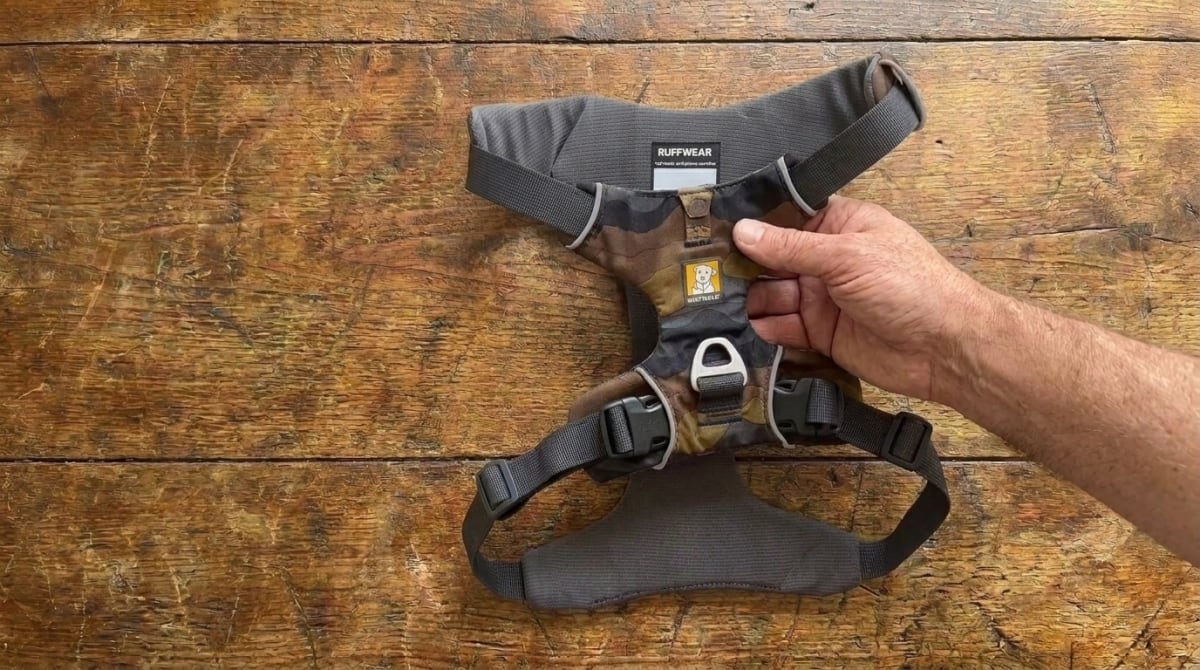
The Web Master covers massive surface area. The closed-cell foam and perforated back panel aggressively trap heat against the coat. Jasper ran warm in the Web Master up on exposed ridges. The three-strap design essentially chokes off airflow across the torso while the Front Range utilizes a much smaller footprint packed with PE foam that leaves the belly open to the wind. It leaves the entire lower back completely exposed to the breeze.
The Front Range takes the win on breathability. Airflow matters. Less coverage leaves more of a heavy coat open to the air on long ascents.
Fit by Body Type
Harnesses only work if they match the skeleton underneath. We adjusted both models through their sizing limits. Neither harness fits every single breed shape perfectly.
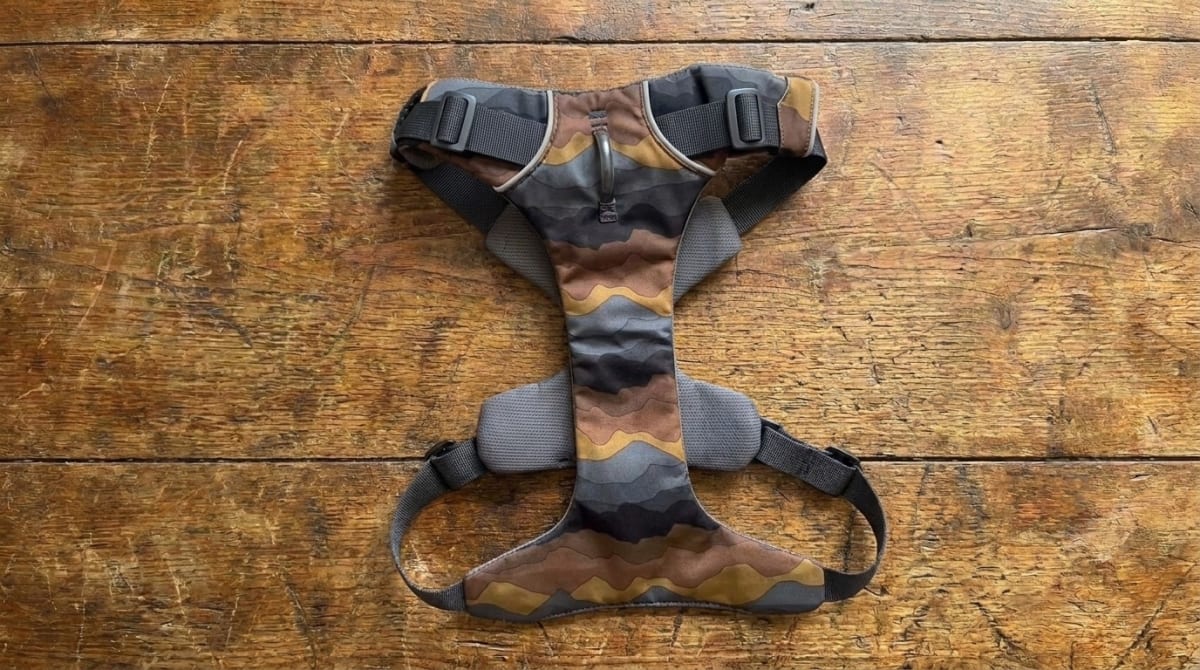
The Web Master now features a wide chest panel measuring right around 2.5 inches across. On a narrow whippet with a 1.75-inch gap between the shoulder bones, that panel is wider than the space it has to sit in. That wide fabric panel grinds directly into their shoulders during every single stride. The Front Range dodges that specific shoulder rub. You also have to thread a leg through the Web Master to get it on, which deeply annoys some dogs.
This round ends in a tie based purely on canine geometry. Start with the Web Master for standard builds. Switch to a different brand entirely if you hike with a narrow whippet.
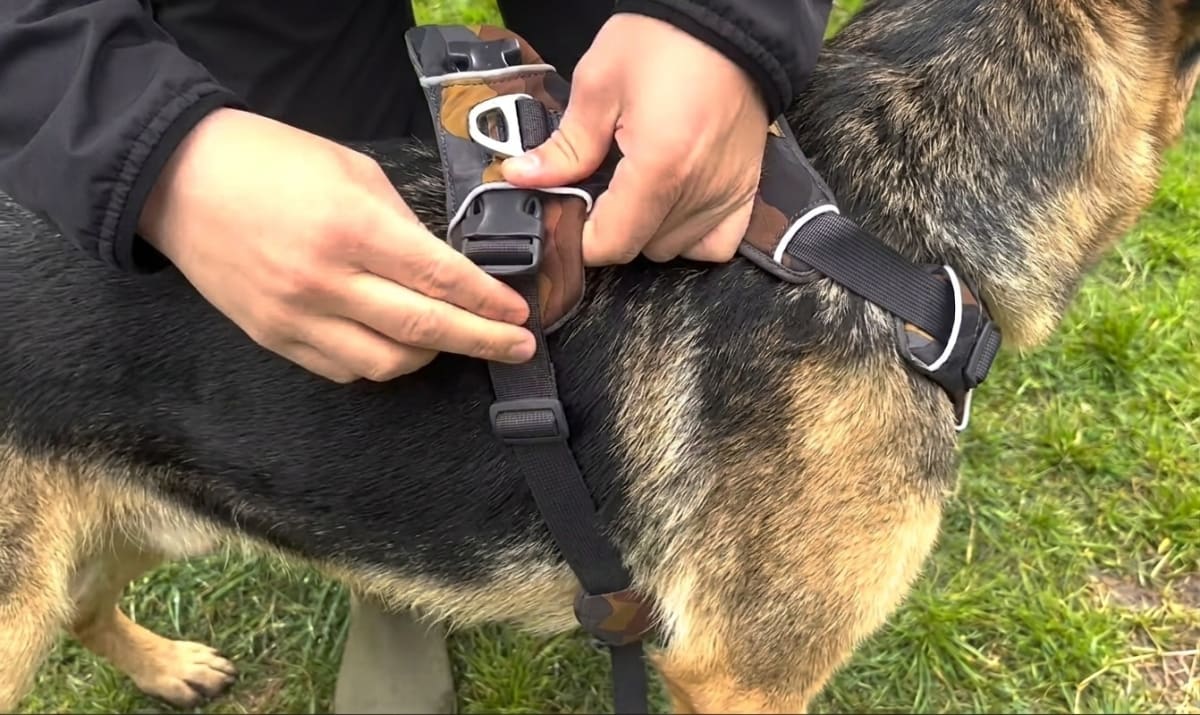
Pros & Cons Summary
Ruffwear Web Master
Pros
- Escape-resistant belly strap stops backing out
- Padded lift handle aids rough scrambling
- Wide chest and belly panels spread lifting force
- Neck buckle allows much easier fitting
Cons
- Relies on a remarkably thin 150D shell fabric
- Runs warm on large dogs in summer
- Wide chest panel rubs narrow sighthound breeds
- Requires threading a front leg through to put on
Ruffwear Front Range
Pros
- Rugged 300D ripstop shell heavily resists abrasion
- Costs twenty dollars less than the Web Master
- Smaller footprint leaves more coat open to the air
- PE foam padding prevents chafing on long mileage days
Cons
- Lacks a belly strap to secure known escape artists
- Features no lift handle for climbing trail obstacles
- Front leash clip uses webbing instead of solid metal
Two Different Scores, On Purpose
Both harnesses carry their own review, and those ratings answer a different question. The Ruffwear Front Range scores 4.8 and the Ruffwear Web Master scores 4.6 as everyday, all-around harnesses. The ratings on this page measure something narrower, which one wins for hiking on technical, obstacle-heavy terrain, and that context is exactly why the order flips here.
Quick Verdict
The Web Master wins this matchup for scrambles and obstacle-heavy terrain, thanks to the belly strap and lift handle the Front Range does not have. The Front Range stays the better everyday pick, since it costs less, breathes better, and holds up to brush and rock abrasion with its thicker shell.
Choose Ruffwear Front Range if:
You hike moderate trails in warm weather, want to save $20, and your dog doesn't try to back out of a harness.
Choose Ruffwear Web Master if:
Your dog panics or backs out of gear on exposed terrain, or you need a handle to help lift a heavy dog over rock steps and obstacles.
Final Verdict
Ruffwear Web Master takes the win in this comparison.
The Ruffwear Web Master takes our overall comparison for alpine hiking and obstacle-heavy trail miles. The escape-resistant belly strap and padded lift handle bring mandatory safety factors to steep terrain where a sudden slip could result in a serious injury for you or the dog. Pick the Web Master for dogs that panic on a hike or constantly need a physical boost over boulders. Grab the Front Range for casual day hikes on moderate dirt paths, since it covers less of the dog in summer sun and keeps twenty dollars in your pocket, with the thicker 300D shell holding up better in dense brush.
Frequently Asked Questions
Filed under

Kelly brings an engineering mindset to dog hiking gear. After thousands of miles with Jasper testing every harness, pack, and boot on the market, he knows what holds up and what fails.