 Paths & Paws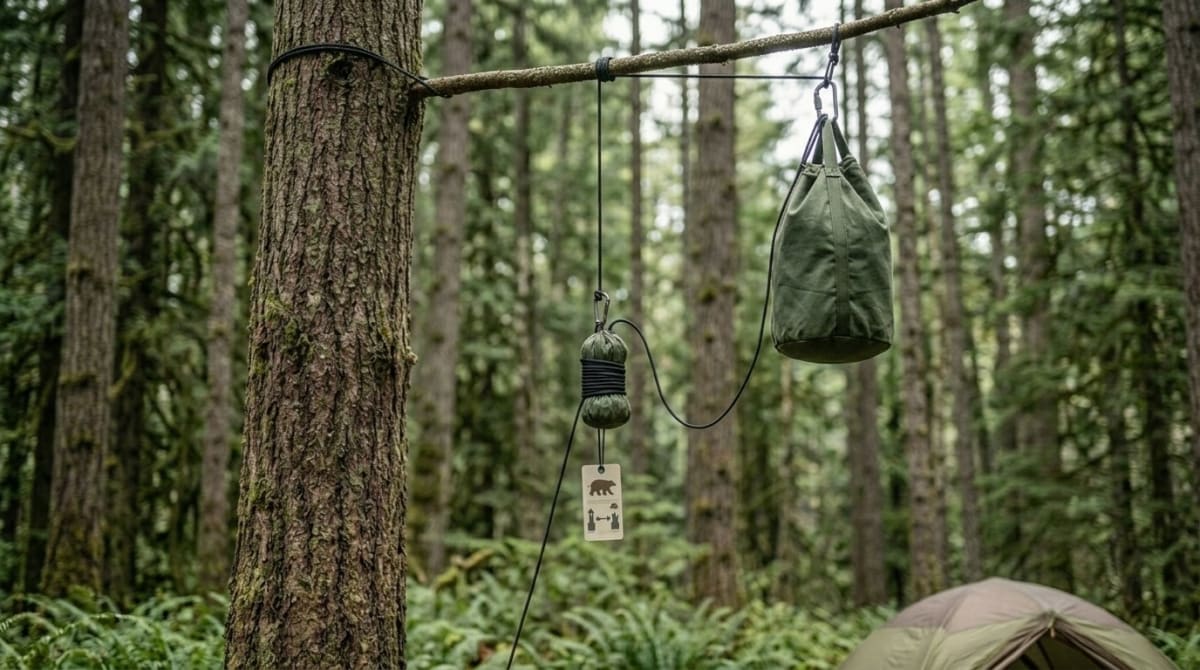
Backpacking in bear country means treating dog food exactly like human food. You have to lock that kibble inside an IGBC-approved canister or suspend it using a proper technique like the Pacific Crest Trail hang. Kibble reeks of rendered fats. A hungry black bear makes no distinction between your freeze-dried stroganoff and a bag of salmon-based dog kibble. Both represent massive caloric payloads. We hammered out the logistics of this during a five-day push through the Cascades. Jasper is a 95-pound German Shepherd. He burns four cups of food a day. That sheer bulk eats up serious pack space. Stowing twenty cups of kibble forces a total rethink of camp logistics, especially since a single screw-up here could cost a bear its life and put everyone else on the trail at risk. Tossing a plastic grocery bag of dog food into the tent is basically begging for a catastrophic wildlife encounter. We ran different storage setups to figure out what actually holds up in the backcountry.
Key Takeaways
- 1Dog kibble has the same fat-coated odor footprint as human food and needs identical IGBC-approved storage in bear country
- 2Kibble and human food can share one canister - use odor-barrier bags like OPSAKs to prevent scent and taste transfer
- 3The PCT hang requires 50 feet of cord and a toggle stick to suspend food 10-12 feet off the ground with no anchor line a bear can snap
- 4Never leave the bowl sitting at camp and never bring food into the tent - a sleeping dog will not deter a food-conditioned bear
Why Dog Food Creates High-Risk Bear Encounters
Commercial dog food projects a heavy odor footprint. Manufacturers coat dry kibble in animal fats and digest to bump up palatability. Scavengers lock onto those lipid coatings. Bears run an olfactory system that puts bloodhounds to shame. Catching the right wind, they will pick up the scent of a poorly sealed bag from miles out. The data on this leaves no room for debate. A 2018 study in the Human-Wildlife Interactions Monograph flagged dog food as a primary anthropogenic attractant driving human-black bear conflicts. Once a bear pulls a caloric reward from a campsite, their behavior rewires permanently. They become food-conditioned. That means they lose their natural fear of humans and escalate their attempts to raid camps, a cycle that almost always forces wildlife agencies to step in and euthanize the animal just to protect public safety.
Standard zip-top bags do absolutely nothing to block these odors. Plastic is porous at a microscopic level. Fat molecules from the food migrate right through standard polyethylene films in a matter of hours. We proved this by tossing a sealed bag of Jasper's meals into a hot truck cab. Thirty minutes later, the cab smelled like a pet store. Real odor management demands multiple barriers. Contain the smell first. Then armor the physical food against access. If a grizzly wanders into the site hunting for the source of a smell, half the battle is already lost. They will shred gear trying to get it.
Do You Need to Separate Dog Food From Human Food?
People constantly ask if dog kibble needs its own dedicated bear vault. The short answer is no. Kibble and human meals can share the exact same canister or hanging sack. The real headache just comes down to odor transfer and packing logistics. Dog food smells aggressively punchy. Stuffing a flimsy sack of whitefish kibble next to your oatmeal packets in a BearVault practically guarantees breakfast is going to taste like low tide. We ran into this exact mess during a soaked weekend on the Olympic Peninsula when every single item in our shared canister soaked up the aroma of Jasper's dinners.
We fix this now using specialized odor-barrier bags. Products like OPSAKs or Aloksaks rely on thicker, less porous films that actually trap scent inside. We portion Jasper's daily intake into individual odor-proof sleeves. Those sealed rations then drop straight into the main bear canister alongside our own food, an approach that stops the fishy transfer dead in its tracks while keeping daily rationing math completely brainless. Bulk becomes the real limiting factor if you run with a large breed. A standard BV500 canister swallows about seven days of food for one human. Jasper's kibble for a four-day loop eats up almost half of that interior volume. On longer pushes we carry two hard-sided cans. One holds the human calories. The other acts entirely as his pantry. If you're still working out how much food to carry across multiple days, our dog food resupply guide for backpacking trips breaks down the calorie math by body weight.
Bear Canisters vs Bear Bags for Kibble
Physical protection boils down to hard-sided canisters or suspended bags. Hard-sided canisters deliver the absolute highest level of security. Organizations like the Interagency Grizzly Bear Committee certify these plastic cylinders by letting captive eight-hundred-pound grizzlies spend hours biting the shells and throwing their weight around trying to crush them. If the bear fails to pop the lid, the product passes. That zero-failure rate is why so many national parks and designated wilderness areas now legally mandate their use. Canisters are heavy, awkward, and brutal to pack. They never shrink. But they are a foolproof barrier. Lock the lid and walk away. When we log miles in high-use zones with habituated bears, we rely exclusively on a large canister, stashing it on the ground fifty yards from camp in a brushy depression where it can't roll off a cliff.
Bear bags offer a hyper-light alternative anywhere local regulations permit them. You hoist a rugged dry bag over a high tree branch. Soft-sided armor like the Ursack bridges the gap. They use high-density bulletproof fabrics to stop a bear's teeth from puncturing the payload. Hanging your setup strips serious weight from the pack, but it demands specific forest conditions and fairly dialed rope skills. You are completely at the mercy of finding the right tree. Setting up camp above the alpine line or wandering into a dense stand of spindly lodgepole pines makes hanging a physical impossibility, so we always scout the topographic maps for forest density before leaving the hard plastic at home. Half the time, the canister is simply mandatory.
The PCT Hang Method for Dog Food
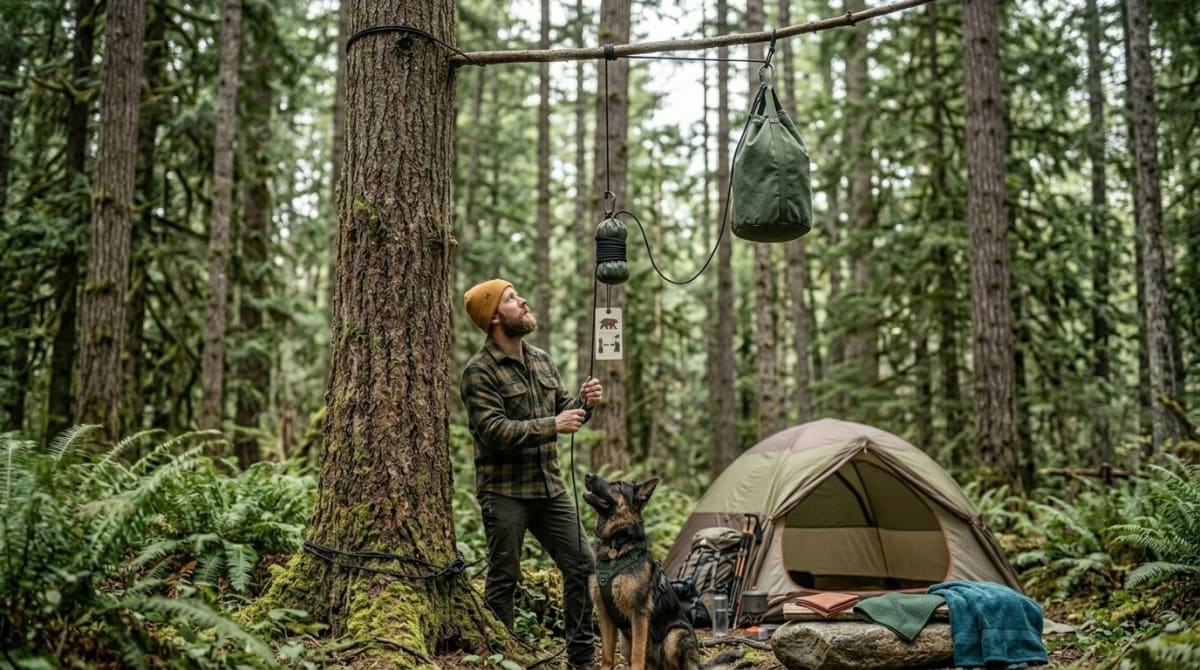
Pulling off a hang takes exact technique. The old-school method of throwing a rope over a branch and tying it off to the trunk fails miserably because black bears are terrifyingly smart problem solvers. They just track the rope down to the trunk and chew right through the tensioned cord. The Pacific Crest Trail method outsmarts them. A proper PCT hang suspends the food sack in mid-air with the tag end of the rope dangling straight down toward the dirt. The bear cannot reach the bag. They have no tensioned line to snap.
Building this setup requires fifty feet of slick cord, a small throw pouch, a climbing carabiner, and a sturdy toggle stick. Practice this at home first. Handling cold rope feels clumsy when you're racing the sunset. Find a live branch pitching out fifteen to twenty feet off the deck. It needs to extend horizontally and measure roughly four inches thick. Hurl the throw bag over the branch so the cord rests at least four feet out from the main trunk. Clip the carabiner to the dog food sack. Thread the loose end of the cord through that carabiner. Haul the bag all the way up until it smacks the branch. Reach up as high as you can grab. Throw a clove hitch around the toggle stick right at that elevation. Ease the cord down slowly. The bag descends until the wooden toggle jams violently into the carabiner, locking the entire mechanism in mid-air so the food sack hovers a safe ten to twelve feet above the forest floor. The loose tail of the cord just hangs there harmlessly. Pull the cord down to pop the toggle out.
Managing Your Dog at Camp
Flawless bear hangs mean absolutely nothing if your general camp management is sloppy. Localized food smells pull bears in like magnets. Never leave a dog bowl sitting in the dirt. When Jasper gets fed, we dump his measured ration into a collapsible silicone bowl and stand over him the entire time he eats. The literal second he finishes, we wipe that bowl down with a damp rag that goes directly into the trash sack before getting locked back inside the hard-sided canister. If he drops three pieces of kibble in the moss, we dig through the moss to recover every single piece. Scattered dog food acts as a micro-attractant.
Keep dogs on a physical leash at camp. That rule is non-negotiable in grizzly habitat. If this is your dog's first multi-night trip, our guide on getting a dog comfortable sleeping in a tent covers the rest of the camp setup before you add bear country complexity to the mix. If a bear pushes into the perimeter, a loose dog almost always charges the threat. They sprint out to harass the animal, quickly realize they are severely outmatched, and bolt in a panic straight back to the tents, pulling an agitated apex predator directly into the sleeping perimeter while everyone is scrambling to react. If a bear does show up, reel the dog in tight. Grab the collar. Speak calmly to both the dog and the wildlife. Do everything possible to shut down the barking. Back away slowly. Keep eyes on the animal until you clear the zone.
Frequently Asked Questions
Filed under
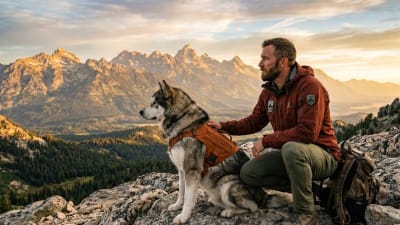
Kelly brings an engineering mindset to dog hiking gear. After thousands of miles with Jasper testing every harness, pack, and boot on the market, he knows what holds up and what fails.
References & Further Reading
- Human-Black Bear Conflicts: A Review of Common Management Practices. Hum Wildl Interact 2018 — Hum Wildl Interact (2018)