 Paths & Paws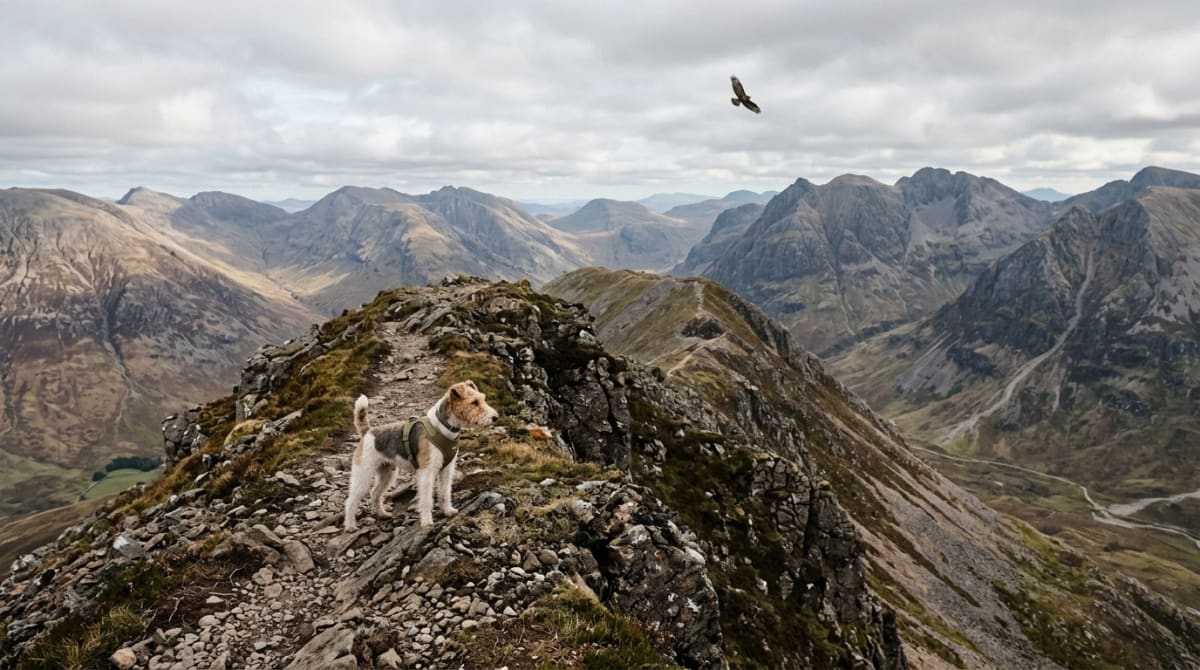
Most hikers worry a hawk will carry their dog off into the sky. Physics says otherwise. A red-tailed hawk clocks in around three pounds. No bird of prey can lift more cargo than its own body weight. Jasper is a 95-pound German Shepherd. His bulk means we never really look up when we hit the trail. But we had to study the actual mechanics of an avian attack to keep our friend's eight-pound terrier safe when navigating the exposed ridges and thermal updrafts of Mount Si last summer. The true threat from a raptor is the massive kinetic energy of a high-speed dive and the crushing power of the talons. Abduction is a secondary concern at best. We pulled data on lifting limits and strike forces to figure out how to shield small dogs in the backcountry.
Key Takeaways
- 1No bird of prey can lift more than its own weight, but talons lock on impact and cause crushing injuries regardless of whether the dog gets carried off
- 2Dogs under 15 lbs face abduction risk from golden and bald eagles - the 5-pound cutoff for hawks is just the start of the danger zone
- 3Open ridgelines and alpine terrain with thermal updrafts are the highest-risk zones - dense forest canopy blocks aerial sightlines entirely
- 4A fixed 6-foot leash and a Kevlar or polycarbonate vest are the two most effective defenses available to handlers on exposed trails
The Size Thresholds for Avian Predators
Pinning down the exact weight of a dog is step one for measuring risk. A red-tailed hawk tops out at maybe three pounds. Great horned owls rarely push past four. Birds simply cannot lift payloads heavier than themselves. So a dog over five pounds is highly unlikely to get carried off by these everyday hunters.
Bald and golden eagles wreck that math completely. A female eagle weighs up to fifteen pounds and she can hoist about ten pounds in perfect wind conditions. Small dogs fit the exact prey profile for North America's heaviest raptors. Eagles aren't the only reason small dogs face unique challenges on trail - but they're among the most severe. Pups under five pounds face danger from a much wider range of skies.
But carrying capacity is the wrong metric to obsess over. Predators screw up. We constantly see trail runners dragging small breeds along assuming their ten-pound dog is totally immune to hawks. That assumption depends heavily on mature birds doing perfect math before they strike. Come fall, inexperienced juvenile raptors flood the migration corridors, and these unpredictable young birds decide to test their physical limits on absolutely anything that happens to be moving through the brush. A dive bomb on a twelve-pound dog might end in a botched carry, but it still delivers a full-force collision laced with razor-sharp talons. The bird figures out its error quickly and drops the dog. The damage is already done. We have to shield small dogs from the initial impact. A punctured lung requires an emergency vet trip whether the bird flies off with the pup or leaves them bleeding in the dirt. Knowing how to carry an injured dog off trail is worth reviewing before you take a small breed onto any exposed ridgeline.
The Mechanics of a Raptor Strike
The real danger lies in speed and raw pressure. When a bird of prey stoops, it turns gravity into a weapon. A raptor diving at fifty miles an hour hits a small dog with brutal blunt force. That impact alone shatters ribs or causes internal bleeding.
Then the talons go to work. An eagle grips with four hundred pounds of pressure per square inch. Their feet feature a biological ratcheting mechanism. It locks the talons tight. Once those daggers close around a small dog's ribcage, the raptor physically cannot release its grip until the bird completely relaxes its leg muscles. This creates a sustained crushing injury demanding immediate trauma care at a veterinary hospital. That vise-like pressure routinely collapses lungs and triggers severe peritonitis. This happens even if the bird never manages to leave the ground.
We measured protective gear against these exact mechanics across several vest styles worn by our friend's terrier on exposed Mount Si ridges. Because you cannot outrun a diving hawk, the only solution is putting a physical barrier between the sky and the dog. By the time you hear the wind tearing through their feathers, the talons are already deployed and locked. Surviving an attack means running gear that physically stops those talons from sinking into the skin before the handler has a chance to intervene.
Terrain and Environmental Risk Factors
Raptors hunt with brutal efficiency. They depend on specific weather and terrain conditions to spot a target and launch a dive without burning extra calories. Dense forest canopies act as an impenetrable shield against these aerial assaults. Walking under thick pine or deciduous cover makes a pup virtually invisible from the sky.
The threat level multiplies the second the trail breaks the treeline. Open ridgelines and wide clearings leave dogs totally exposed. Hawks ride thermal updrafts along mountain ridges so they can scan the dirt without flapping their wings. A steep grade on a warm afternoon is prime hunting real estate. An open meadow offers absolutely zero overhead protection. The bird grabs a clear line of sight from a mile out.
Time of day dictates the hunting shift. Hawks and eagles own the daylight hours. Large owls take the graveyard shift at dusk and dawn. Great horned owls hunt in dead silence. You will not hear them coming in the twilight. When we transition Jasper and our smaller companion dogs from heavy timber into exposed alpine terrain crawling with thermal updrafts, we pull the small dogs in tight and lock the leash down at a strict two-foot radius. That proximity serves as the absolute best deterrent against an incoming bird.
Protective Measures That Actually Work
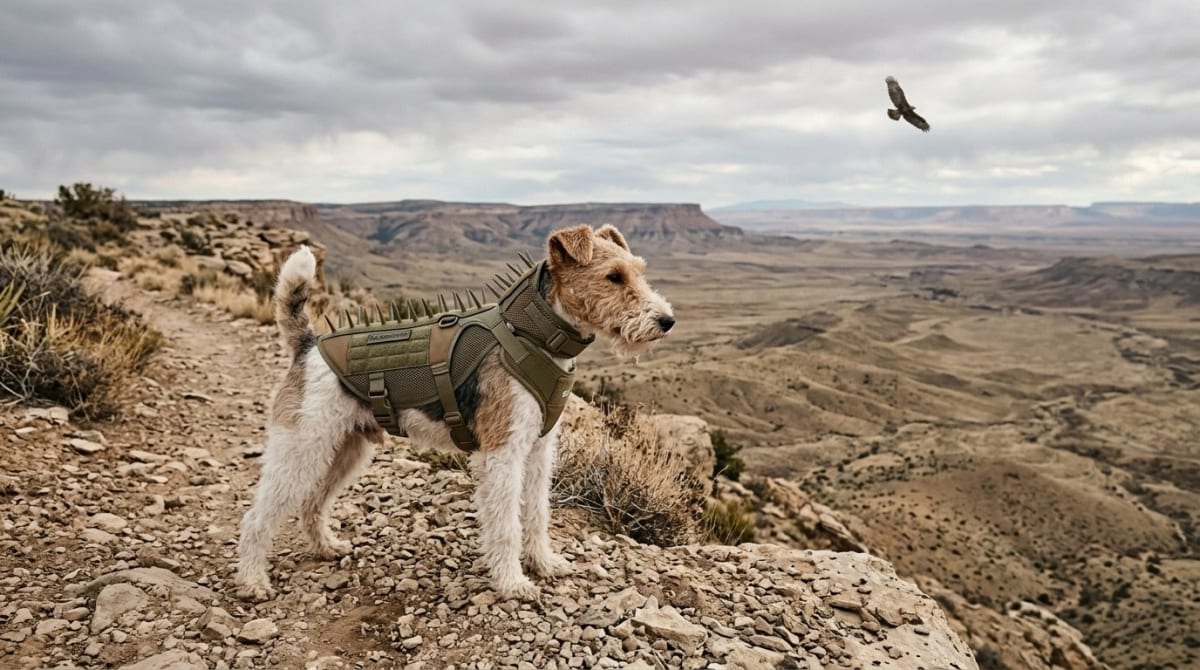
Handler proximity and physical barriers are the only ways to defeat a locked talon. Coyote vests or raptor shields cut from polycarbonate plastic do an incredible job on the trail. These rigid materials fight off punctures. They buy the handler a few critical seconds to scare the bird off before a talon shreds internal organs. Kevlar-reinforced vests also stop those hooks from reaching the chest cavity. Carry a hiking first aid kit regardless - blunt force trauma from a failed carry still requires wound assessment even when the vest prevents puncture.
Keep small dogs locked on a fixed six-foot leash at all times. Retractable leashes offer absolutely zero defensive value in the backcountry. If a hawk strikes thirty feet out, you simply cannot reel the cord in fast enough to matter, which is why a short static line keeping the dog tight to your leg is non-negotiable for safety. Birds of prey fear humans. They almost never stoop on a target standing inches from a person's muddy hiking boots.
If a dive actually happens, get loud and get big. Yell and wave your arms like a maniac. Smash the dirt with your hiking poles to shatter their flight path and throw off their visual tracking. This chaos forces the descending bird to abort the mission and recognize the human as an obstacle it cannot safely bypass.
Frequently Asked Questions
Filed under
Kelly brings an engineering mindset to dog hiking gear. After thousands of miles with Jasper testing every harness, pack, and boot on the market, he knows what holds up and what fails.