 Paths & Paws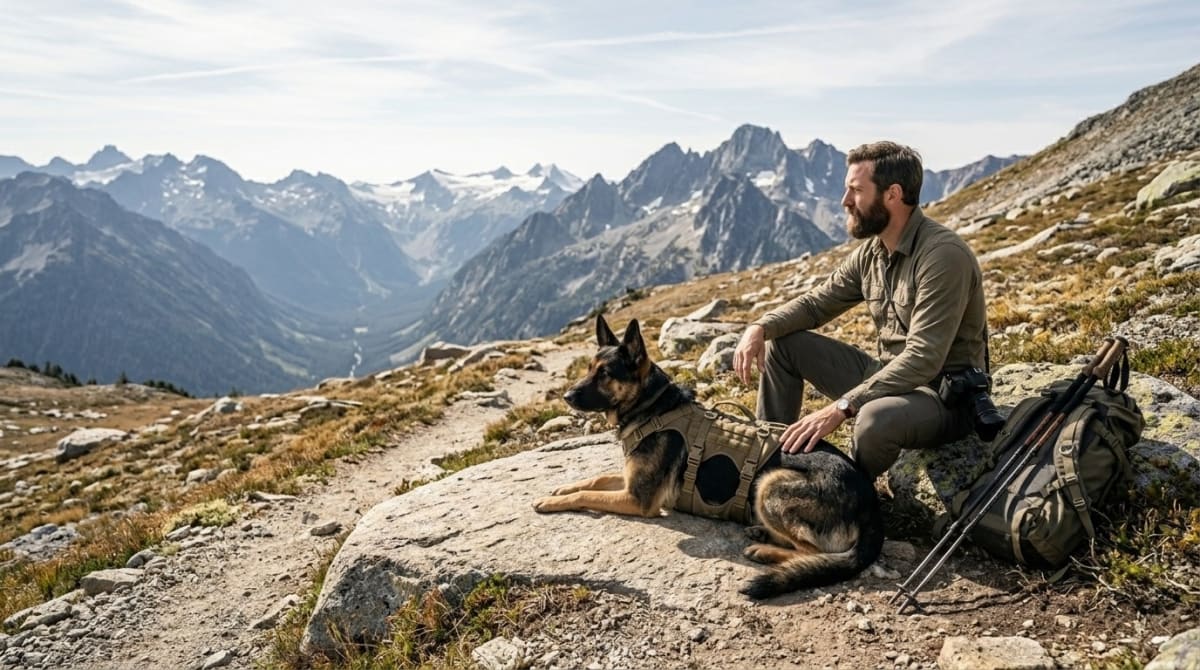
Most people assume fit dogs handle any mountain. We learned otherwise while tracking Jasper's heart rate on our trails. Altitude sickness hits canines hard right around that 8,000-foot mark. Jasper is a 95-pound German Shepherd, which means his massive lungs demand serious oxygen just to keep moving up a steep grade. When we first took him into the thin air of the Rockies we clocked his acclimatization against veterinary guidelines for cardiovascular strain to see exactly what the pressure did to his body. The numbers don't lie. A dog needs 48 solid hours of camp rest at elevation before attempting a hard climb.
Key Takeaways
- 1Altitude sickness risk spikes sharply at 8,000 feet - dogs need 48 hours of rest at the new elevation before any hard climb
- 2Pale or bluish gums are the critical warning sign that blood oxygen is crashing - stop ascending immediately and push water
- 3High Altitude Pulmonary Edema and Cerebral Edema are emergencies requiring immediate descent of at least 2,000 feet
- 4Never give dogs human altitude medications like acetazolamide - they trigger severe toxicity and rapid organ failure
Common Side Effects
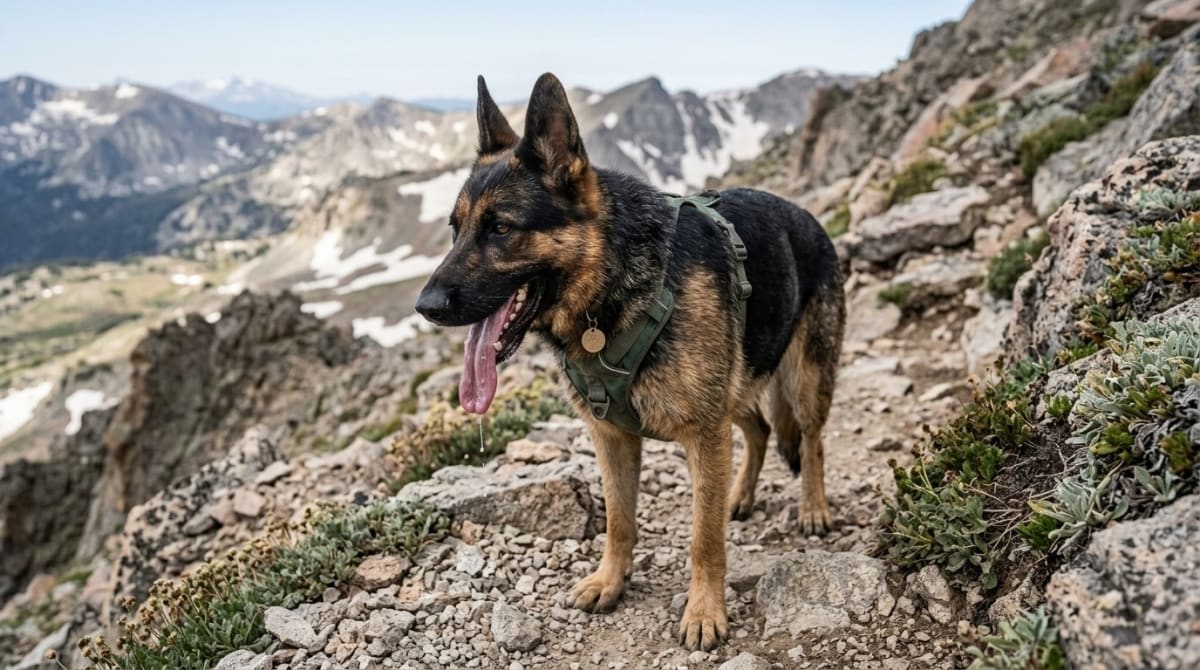
Thin air holds less oxygen per breath at 8,000 feet. A dog's heart races to compensate and pulmonary artery pressure spikes almost immediately. Reading the signs is tricky because dogs cannot complain about a headache or feeling dizzy. You have to watch their physical output instead. We learned to nail down Jasper's baseline resting heart rate in the living room before ever packing the truck. Just lay a hand over the chest. Count the beats. Up in the alpine his resting rate shoots way up. The dog is struggling if those beats don't settle down after a couple hours of lying around camp.
Watch for aggressive panting. That should drop back to normal after five minutes of shade rest. If Jasper turns his nose up at dinner we know we climbed too fast because appetite loss is a primary red flag for altitude stress in canines. Check the gums during water breaks. Healthy gums look bubblegum pink. Pale or bluish tissue means blood oxygen levels are crashing. Stop moving up. Rest and force water. Dehydration makes the sickness so much worse since dry mountain air literally strips moisture out of their lungs with every single breath. Jasper easily drinks twice his normal water volume at 9,000 feet. We mandate water stops every mile and offer small handfuls constantly. Turn around and lose elevation immediately if symptoms stick around after thirty minutes of resting because their body is actively failing to adapt to the lower oxygen density found above 8,000 feet. Altitude lethargy also overlaps with general fatigue - knowing the signs your dog is too tired to continue helps you catch problems before they turn into a medical event.
Serious Concerns
Ignoring those early warnings pushes altitude sickness into lethal territory fast. High Altitude Pulmonary Edema literally fills the lungs with fluid. High Altitude Cerebral Edema swells the brain. Both mean an emergency vet run. A wet and foamy cough points straight to pulmonary edema. You might see a bloody nose. The dog will likely refuse to lie down because fluid is pooling in their chest cavity and making taking a breath physically impossible.
Brain swelling just looks like extreme drunkenness on the trail. They stumble and lose footing. They might just collapse in the dirt. We absolutely never mess around with these signs. Pick the dog up and carry them down the mountain right then if they show zero coordination or cough up pink foam. Review how to carry an injured dog off trail before any high-altitude trip - a 95-pound shepherd in respiratory distress is not the time to figure out technique. A 2004 study in Comparative Biochemistry and Physiology showed that canine bodies spike their vascular proteins to force altitude adaptation, but this internal defense system crashes entirely when you force a dog up a mountain without enough rest days. Gravity is the only real fix here. We always drop at least 2,000 feet of elevation the second things look sketchy.
How to Acclimatize Your Dog
You cannot hack canine physiology. Building acclimatization takes time and planned exposure. We burn the first 48 hours hanging out at base elevation. Driving straight from sea level to a cabin at 7,000 feet means doing nothing but casual bathroom walks for two solid days. Their system needs that buffer. The body has to physically build more red blood cells and reset its resting respiratory rate.
Jasper's heavy build makes this downtime completely non-negotiable. Pushing 95 pounds of muscle up a scree field burns a staggering amount of oxygen. A short and totally flat hike tests his tolerance on day three. We time his breathing recovery during the hike. The next day gets a steeper route if his normal breathing rhythm returns a few minutes after stopping. Never try to cut corners with human altitude meds. Hikers pop prescription pills to cheat oxygen deprivation all the time but giving a dog acetazolamide or ibuprofen triggers severe toxicity and rapid organ failure before you even realize what went wrong. Rest and endless amounts of water are the only tools we actually use.
Who Should Avoid High Altitude
Certain dogs really just belong at sea level. Brachycephalic breeds should honestly stay below 6,000 feet. Pugs and Bulldogs already fight to pull enough oxygen through cramped airways on a normal day. That thin mountain air shoves them into respiratory distress incredibly fast.
Older dogs dealing with heart murmurs face huge risks up high. The drop in oxygen density forces a senior heart to work double shifts just to maintain a walking pace. If your dog already shows arthritis signs on regular hikes, altitude will amplify those symptoms significantly and shorten safe hiking distance. A busted cardiovascular system just cannot take that kind of beating. Puppies under six months old also lack the hardware for alpine exertion. Their bodies are still figuring out basic flat-ground endurance. We keep younger dogs entirely on the lower basin trails until their cardiovascular systems finish maturing. Dragging a vulnerable dog up a rocky peak isn't worth the ego trip when a private emergency helicopter evacuation out of the remote backcountry will easily run you upward of $5,000.
Frequently Asked Questions
Kelly brings an engineering mindset to dog hiking gear. After thousands of miles with Jasper testing every harness, pack, and boot on the market, he knows what holds up and what fails.
References & Further Reading
- High altitude training of dogs results in elevated erythropoietin and endothelin-1 serum levels — Comp Biochem Physiol A Mol Integr Physiol (2004)