 Paths & Paws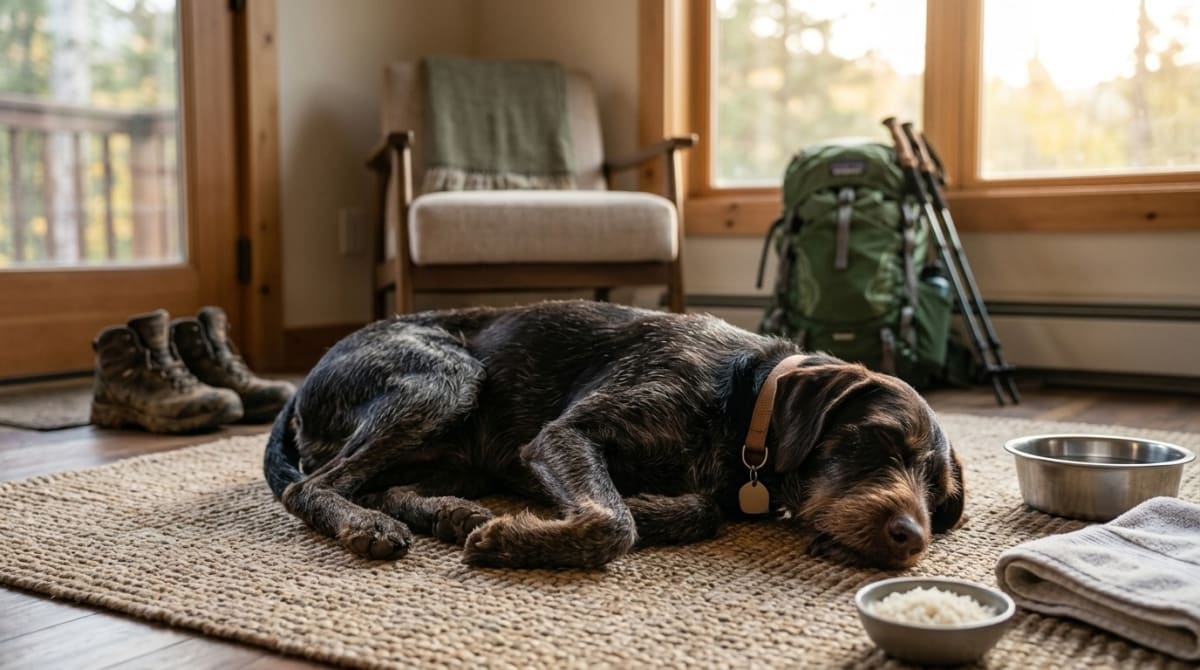
Most people expect instant calm from their dogs after a long day on the trail. We certainly did. Back when Scout first started hiking with us in the Cascades, the drive home always ended in a frantic scramble to find a grassy shoulder. Our 50-pound Lab mix rescue would bolt out the door with severe diarrhea. We instantly blamed that murky puddle she drank from two hours prior, completely unaware that the huge athletic demand we just placed on her system is what actually caused the crash.
If a dog gets sick right after coming off the mountain, heat stress or pure physical exhaustion is the likely culprit. This breaks down how heavy miles actually wreck canine digestion. We tracked the physical stress of elevation gain and the specific red flags that mean a vet trip is mandatory.
Key Takeaways
- 1Parasites like Giardia take over a week to incubate and cause symptoms.
- 2Heavy exercise pulls blood away from the gut and triggers stress diarrhea.
- 3Home management works for mild cases without fever or lethargy.
- 4Bloody stool or continuous vomiting requires urgent veterinary attention.
The Mechanical Reality of Trail Stress
An eight-mile route might feel like just a long walk to us. A dog experiences it as a major athletic event. Heavy output completely rewires how the canine body distributes its resources. Blood rushes to the working muscles in the legs and lungs. It pulls straight away from the digestive tract. This drop in circulation to the stomach and intestines triggers temporary inflammation.
Veterinarians call this exercise-induced gastrointestinal syndrome. A 2023 study in the Journal of Small Animal Practice tracked racing sled dogs after endurance runs, and researchers discovered that all tested animals developed microscopic erosions along their small intestine walls. Scout is clearly not running the Iditarod. But scrambling up Mount Si on a warm July afternoon creates a similar micro-version of this internal stress. The gut lining gets highly permeable. Fluid leaks right into the intestines. Diarrhea follows shortly after.
Heat amplifies the whole process. Dogs cool down by panting. That constant rapid breathing evaporates moisture straight from their tongue and lungs, meaning dehydration sneaks up on them incredibly fast on exposed ridges. When the system lacks sufficient water, digestion slows down or completely halts. Baking heat and intense physical pushing trigger a total digestive crash. The stool ends up loose simply because the gut can no longer process food or hold onto water normally under such extreme physiological strain.
Trail Water and the Giardia Myth
Every hiker panics about that stagnant puddle their dog just gulped from. We used to do the exact same thing with Scout. She loves finding the absolute murkiest swamp water on the trail and taking a giant drink, so when the loose stool hit just two hours later, we naturally assumed Giardia was the culprit.
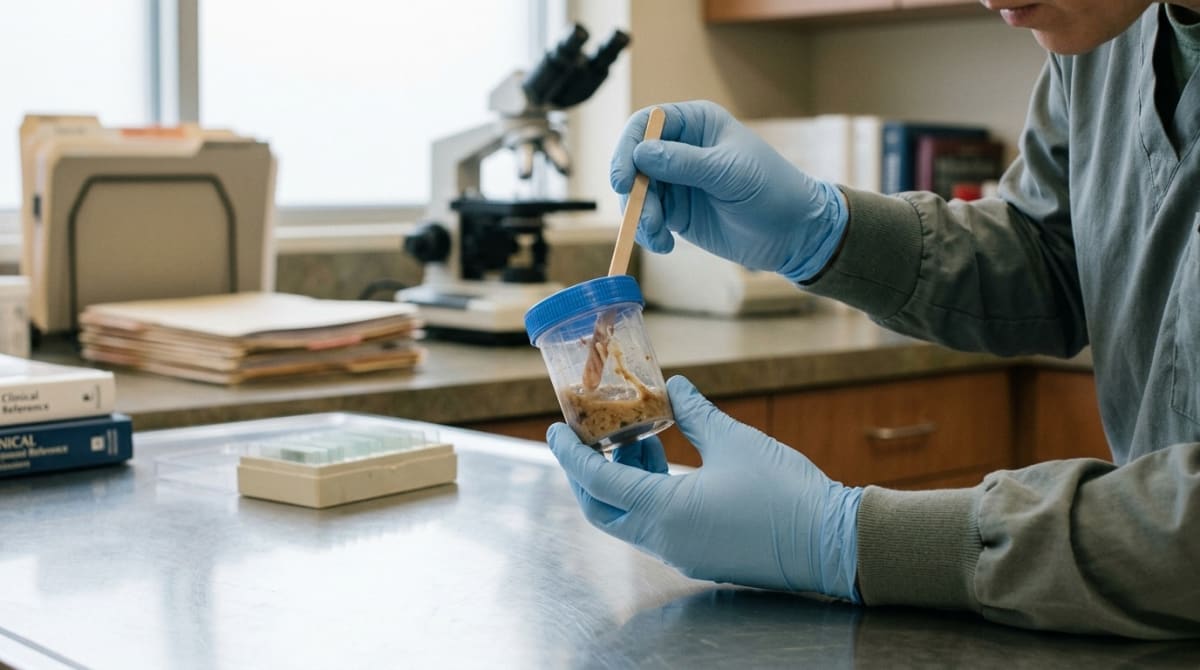
The timeline completely fails. Giardia is a microscopic parasite requiring a fairly long incubation period. Once a dog swallows the cysts from contaminated runoff, the bugs need five to fourteen days to multiply inside the intestines. Diarrhea on the car ride home is never Giardia from that specific morning. If a dog tests positive for the parasite today, they actually picked it up over a week ago.
Trail water definitely still carries real risks. We broke down which water sources are actually safe for dogs on trail if you want the full picture on filtering and parasite load. Blue-green algae is a serious hazard in warm stagnant ponds. Cyanobacteria toxins act insanely fast and trigger severe neurological symptoms alongside rapid liquid diarrhea. Treat swimming in or drinking from a pond with an active algae bloom as a literal medical emergency.
More commonly though, dogs just drink way too much cold water way too fast. A hot dog arriving at a crisp alpine stream will often gorge themselves until their stomach aggressively rejects the freezing liquid. The internal system reacts violently to the temperature plunge. This results in puking or explosive fluid diarrhea. We had to learn how to manage Scout's water intake the hard way. We offer her small handfuls of water every thirty minutes instead of letting her drain a whole Nalgene at the summit block. The full math on how much water a dog actually needs on a hike surprised us when we first worked it out.
What Did They Eat?
The woods provide a buffet of terrible snacks for a curious dog. We have to constantly monitor Scout for dietary indiscretion. That is the clinical term for eating garbage. Animal feces are easily the most common trail snack out there. Deer and rabbit droppings look incredibly appealing to dogs, and eating that manure introduces foreign bacteria to the digestive tract that pretty much guarantees an upset stomach by the time we hit the pavement.
Dogs also chew on trail vegetation when they feel anxious or overheated. Ferns and broadleaf weeds might look completely harmless, but many native plants actively irritate the canine stomach lining. Eating grass is a classic self-soothing behavior that almost always backfires. The abrasive texture of raw grass blades scrapes against an already inflamed stomach wall, prompting immediate vomiting. We trained Scout to carry a lightweight bumper toy in her mouth on the steeper sections. Holding onto a job prevents her from bored-grazing through the underbrush while we navigate tricky switchbacks.
High-value trail treats cause their own problems. People love packing extra rich snacks for energy. We used to bring chunks of sharp cheddar and sliced hot dogs for recall practice in the woods, totally forgetting that processing dense fat requires heavy digestive work. It triggers instant diarrhea when the gut is already compromised from the climb. Switching to simple carbohydrates and familiar kibble fixed this issue entirely. We just pack Scout's regular food and mix it with a splash of water. The familiar ingredients do not shock her system.
Home Management Protocol
Most post-hike diarrhea resolves on its own if the gut actually gets time to rest. You should never feed a heavy meal right after a strenuous mountain day. When Scout comes home feeling sick, we initiate a strict protocol where we skip her next scheduled dinner, simply because fasting for twelve to twenty-four hours gives the intestinal inflammation the necessary time to calm down.
Do not withhold water during this fasting window, since hydration remains absolutely critical. Offer small splashes of water frequently. If the dog refuses to drink anything, try offering some low-sodium chicken broth to encourage fluid intake.
After the fast ends, reintroduce food incredibly slowly. Do not dump a scoop of regular kibble in the bowl. We cook up plain white rice and boiled chicken breast. The chicken has to be boneless and skinless to strip out all the fat. We feed Scout about one quarter of her normal portion size, and if she manages to keep that down for a few hours without pacing, we will offer another small handful to gently wake up her digestion. We stick to this bland diet for two to three days until her stool firms back up.
The transition back to standard food requires serious patience. Avoid dumping a full bowl of kibble on day four. We start out by mixing twenty-five percent kibble with seventy-five percent rice and chicken. The next morning, we move to a fifty-fifty split. We watch Scout's bathroom habits like a hawk during this phase. If the loose stool returns, we drop right back to the bland diet for another full day. Rushing the transition is the absolute most common mistake owners make, and it usually guarantees an entirely avoidable second round of digestive upset just when the problem seemed fixed.
Adding a canine probiotic helps rebuild the gut flora. Human probiotics lack the correct bacterial strains for dogs. Pet supply stores and vet clinics carry the right options. We keep a box of probiotic packets shoved in our hiking first aid kit so we always have them ready to go.
When to Call the Vet
You can manage simple stress colitis at home. But certain symptoms require a professional looking at the dog. Monitor them closely during the first twenty-four hours after coming off the mountain. If the diarrhea is pure liquid and happens more than four times in a single afternoon, the risk of severe dehydration spikes.
Check the stool for blood. A single tiny streak of bright red blood often just means the lower colon is irritated from straining, but large volumes of red blood or dark tarry stool indicate serious internal bleeding. Get the dog to an emergency clinic right away if you notice dark, coffee-ground textures in their waste.
Lethargy is a huge red flag. A tired dog after a long route is perfectly normal. A dog that cannot lift their head or refuses to stand up is in an active crisis. Check their gums for hydration and circulation. The gums should look a healthy pink and feel slippery to the touch. Pale, gray, or sticky gums mean the body is starting to shut down.
Continuous vomiting alongside the diarrhea also requires a vet visit. The dog cannot replace lost fluids if they cannot keep basic water down. When in doubt, call the clinic. We always prefer paying for a standard exam over guessing if Scout is safe. Our rundown on post-hike recovery for dogs covers what normal tiredness looks like versus something worth worrying about.
Frequently Asked Questions
Sarah is learning to hike with dogs alongside her readers. Scout is her first trail companion, and she shares every mistake, success, and lesson learned along the way.