 Paths & Paws
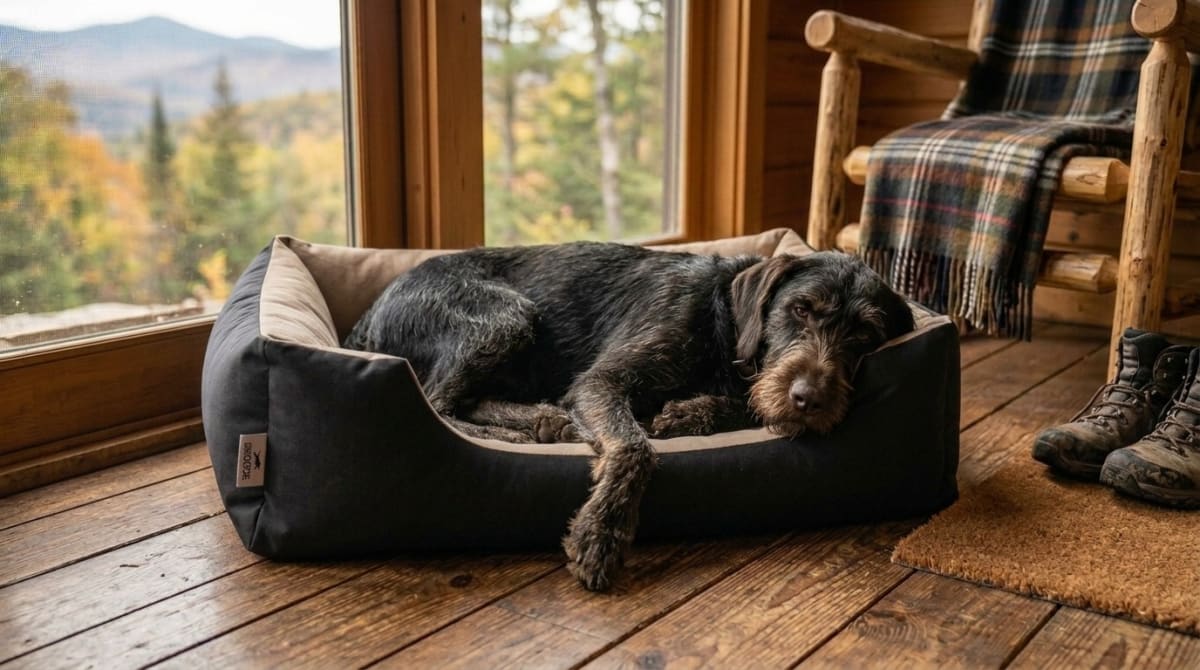
Scout is a fifty-pound Lab mix with endless drive at the trailhead. Most beginners assume a tired dog is just a happy dog. We tracked Scout's energy after pushing past our usual five miles on some steep Cascade terrain. The next morning showed a sharp contrast between normal tiredness and actual exhaustion. She refused to stand. She skipped breakfast. When a food-motivated rescue dog ignores her bowl after a punishing hike, you realize recovery is an intense biological repair job requiring glycogen replenishment and hours of dead-to-the-world sleep just to get back to baseline. Don't ignore that extended sluggishness. A healthy dog should bounce back to normal energy within 24 to 48 hours of a heavy trail day. Anything lingering past two days points to a medical problem. Let's look at the actual warning signs and when you need to call a vet.
Key Takeaways
- 1A healthy dog should return to normal energy within 24 to 48 hours of a hard trail day
- 2Normal fatigue still responds to food, water, and your voice, true lethargy does not
- 3Pale gums, shallow rapid panting, and refusal to stand are emergency signs, not rest-day signs
- 4Age, elevation, temperature, and humidity all extend how long recovery takes
The Biology of Post-Hike Fatigue
Dogs drain their internal gas tanks just like we do. Tough miles empty the glycogen stores inside their muscle tissue. Their bodies burn right through those carbohydrate reserves to keep moving on long climbs. Rest isn't optional here. Rebuilding those stores takes serious time. A 2021 study in the journal Animals tracked working dogs and found they showed much better voluntary movement and recovery markers after two full consecutive rest days compared to just one, which proves that a single night of sleep rarely resets an exhausted system entirely.
Dogs don't process energy the way human hikers do. We sweat to dump heat. They pant. That panting takes massive muscular effort from the chest and diaphragm. Those muscles need stored carbohydrates during short bursts of steep scrambling. Once those stores hit zero the body forces a shutdown to prioritize basic organ function. Scout used to crash incredibly hard after our weekend trips. We learned pretty fast that real recovery demands deliberate hydration and uninterrupted sleep. Her body literally requires that downtime to flush out lactic acid and rebuild cellular balance after a long trail weekend.
Normal Tiredness Versus Dangerous Lethargy
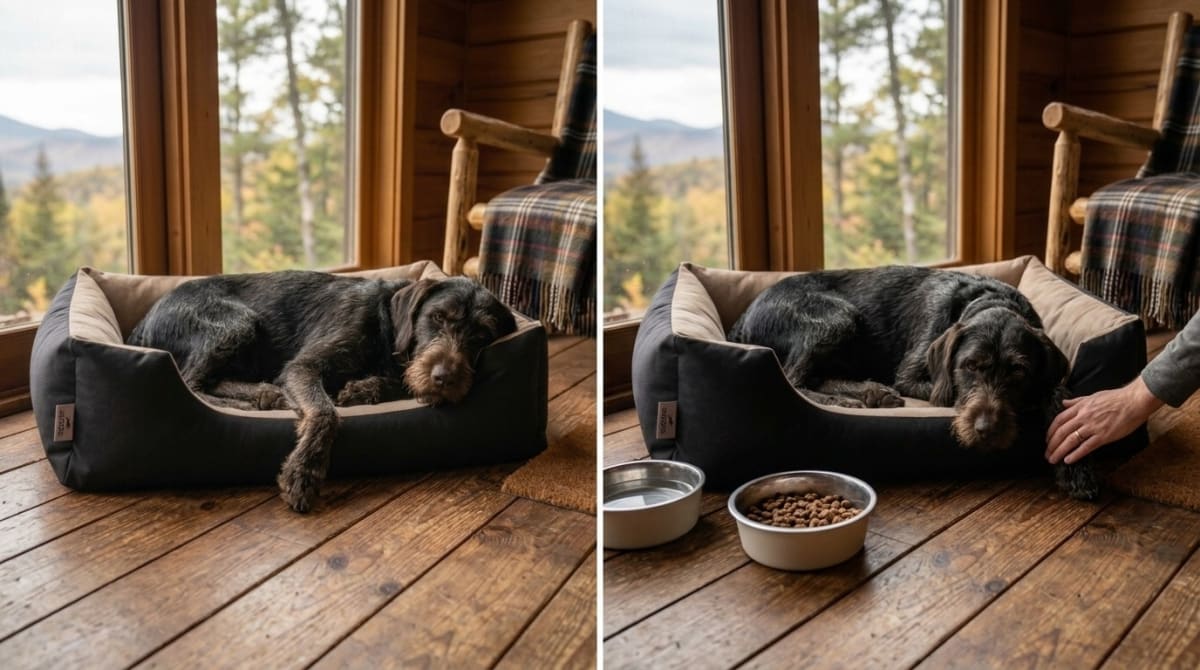
Healthy fatigue looks like a dog sleeping like a rock but waking up responsive. They might move a bit stiffly getting off the couch. They'll still drink water and care about dinner. True lethargy is an entirely different animal. Lethargic dogs seem totally disconnected from the room. They won't lift their heads when you walk in. A lethargic dog ignores a piece of cheese and won't touch the water bowl.
We saw this difference play out after a steep push up Mount Si. Scout slept for fourteen straight hours that night. But she still lifted her head the second her kibble hit the metal bowl. A dangerously tired dog just looks flattened. Their eyes go glazed and unfocused. Check the gum color. Pink gums mean healthy oxygen flow. Pale or bright red gums mean you have a problem. When Scout overheated on a summer route last year her normal heavy panting turned into a shallow rapid rhythm that kept going even after twenty minutes in the shade, which taught us to constantly watch her breathing rates instead of just assuming she was resting. Normal fatigue fades after a day on the couch. True lethargy just deepens.
Warning Signs That Require Immediate Vet Attention
Some symptoms mean you skip the rest day and call an emergency clinic right then. Do not wait to see if they feel better by morning. Heat exhaustion gets deadly fast. A 2018 study in Frontiers in Veterinary Science proved that dogs drinking nutrient-enriched water maintained cooler internal temperatures and dropped their pulse rates back to baseline much faster after exercise, which shows exactly why immediate aggressive hydration is the only way to prevent heat stress from turning into a crisis.
Watch for excessive drooling or random vomiting. Look for drunk or stumbling movements. A dog dealing with heat stroke or severe dehydration won't be able to stand up properly. Pushed too far, muscle tissue can actually break down and flood the bloodstream with toxic proteins. That condition wrecks the kidneys in hours. Dark brown urine is a massive red flag. We always check Scout's paw pads for torn skin first because hidden pain frequently makes dogs shut down completely and look like they have systemic fatigue. A ripped pad makes every single step pure agony. Look closely between the toes for embedded foxtails or sharp thorns. If a dog flat out refuses to walk it is a medical emergency. The same shallow, rapid panting we saw on Scout's overheated summer route is also the earliest heat stroke warning sign vets want owners watching for.
The 48-Hour Recovery Protocol
We actively manage the two full days following a tough route. Scout's downtime follows the exact same rigid structure we apply to our route planning. Recovery literally begins in the car. We offer small splashes of water every few minutes rather than letting her chug a giant bowl all at once. Feed a normal meal roughly two hours after the hiking stops to restock those empty glycogen stores without triggering stomach upset, a timing trick that helps prevent the fatal bloat that sometimes happens when completely exhausted dogs eat too fast.
Keep the walks painfully brief. A five-minute shuffle to the grass is enough. Let them sleep without anyone bugging them. Don't try to initiate play. We lock down a strict resting protocol after every long weekend in the Cascades. By that second morning you should see the normal goofy personality come back. Give them soft bedding to take the pressure off sore joints. Keep the room cool and dark. If they still seem wiped out or refuse to move by the third day you need a vet appointment to check for tick-borne diseases or hidden soft tissue injuries. Protect that rest period.
Factors That Extend Post-Hike Fatigue
Trail conditions beat up a dog's body in highly specific ways. Cruising a flat dirt path takes a fraction of the energy required to scramble up sharp granite boulders. The thermometer dictates the exhaustion. Hiking in mild seventy-degree weather actually puts huge cooling demands on a dog because they have to rely entirely on panting and tiny paw-pad sweat glands to regulate their internal heat, which causes massive energy drains even on casual three-mile loops. Deep sand and soft snow act just like resistance bands. Every single step forces the dog to physically pull their leg out of a collapsing hole.
Age also caps recovery speed. Puppies just don't have the endurance or the adult muscle mass yet. Older dogs fight through joint stiffness and arthritis flare-ups that stretch normal fatigue into something that looks a lot like lethargy. Elevation gain shreds unprepared muscles fast, and it can trigger altitude sickness on top of ordinary exhaustion. We eventually learned to cut our planned mileage in half whenever we took Scout above four thousand feet since the thinner air forced her lungs to pump twice as hard just to get the same hit of oxygen. Always check the humidity before driving to the trailhead. High humidity physically stops panting from working. When moisture won't evaporate off the tongue a dog just overheats and suffers a heavy lingering fatigue that ruins their entire week.
Frequently Asked Questions
Filed under
Sarah is learning to hike with dogs alongside her readers. Scout is her first trail companion, and she shares every mistake, success, and lesson learned along the way.
References & Further Reading
- Working Dogs Drinking a Nutrient-Enriched Water Maintain Cooler Body Temperature and Improved Pulse Rate Recovery After Exercise — Frontiers in Veterinary Science (2018)
- Changes in Behaviour and Voluntary Physical Activity Exhibited by Sled Dogs throughout Incremental Exercise Conditioning and Intermittent Rest Days — Animals (Basel) (2021)