 Paths & Paws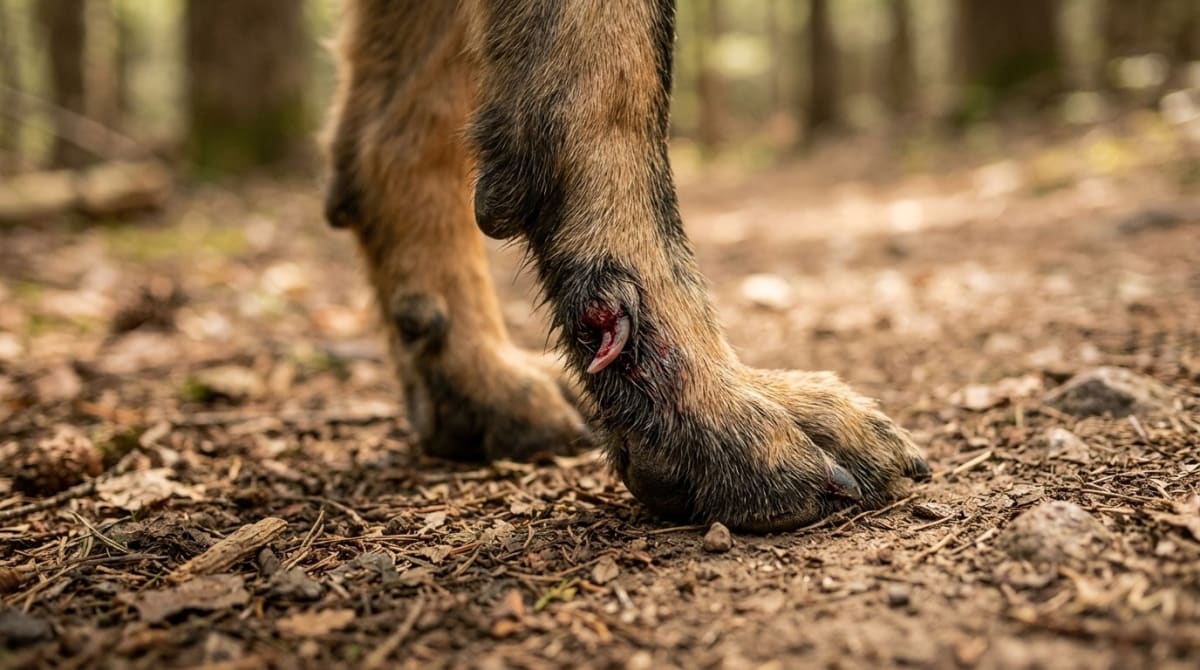
We learned this the hard way on the rocky switchbacks of Mount Si. Jasper caught his front right foot on a granite ledge, and the snow turned red instantly. A torn dewclaw looks like a massive arterial bleed. It is terrifying. The volume of blood is jarring because that tiny nail bed packs a dense cluster of vessels and highly sensitive nerve endings. You have to stop the bleeding first. We wrapped Jasper's paw in a sterile gauze pad and held firm pressure for ten solid minutes. No peeking.
Jasper's a 95-pound German Shepherd, which means carrying him down three miles of steep, icy terrain was never an option, forcing us to manage his pain and stabilize the fractured toe so he could slowly but safely walk out under his own power. If you are reading this on the trail right now, sit the dog down. Pinch that toe hard.
Key Takeaways
- 1Hold sterile gauze with firm continuous pressure for a full 10 minutes before checking - lifting early restarts the clotting process.
- 2Styptic powder (ferric subsulfate) stops persistent bleeding in seconds; baking powder, flour, or soap work as field alternatives.
- 3A torn dewclaw is an immediate turnaround - the exposed quick creates a direct infection path to the bone.
- 4Grind dewclaws smooth every two weeks before long trips; rounded edges glance off rocks instead of catching.
Identification and Mechanics of the Injury
Dewclaws never touch the ground during a normal stride. Pavement won't wear them down. They just keep growing sharper and longer than the primary nails, slowly turning into perfect little hooks that catch on exposed roots and jagged limestone. Roots grab them. Rocks snag them. When a dog launches over a downed log and lands at an awkward angle, that ungrounded nail bends violently backward and snaps right off.
The signs are immediate. The dog yelps. They hold the paw up off the dirt. A torn nail is excruciating. You might see a piece of hard keratin hanging by a thread of tissue. Sometimes you only find a raw, bleeding stump. We tracked dewclaw injuries across two years of hiking in the wet Pacific Northwest forests, noting that nearly every single incident happened on steep descending trails where the dog was braking hard against uneven terrain and shifting their entire body weight forward onto those vulnerable front toes. Vertical splits along the shaft leave the internal quick completely exposed to trail grime.
Affiliate Disclosure: Paths & Paws earns commissions from qualifying purchases made through links on this page. This supports our field testing and does not affect our recommendations. We only recommend gear that passes our trail testing standards. Learn more
Stopping the Bleeding
Blood will go everywhere. The quick is living tissue. Do not panic. Grab a sterile gauze pad from the trail first aid kit and press it directly against the bleeding tip. Hold it there with firm continuous pressure for a full ten minutes. Set a timer. Lifting the pad prematurely rips off the fragile blood clot forming at the tip, which breaks the delicate seal and forces you to restart the entire pressure process from minute one while the dog becomes increasingly anxious.
If the bleeding continues after the timer goes off, you need a chemical clotting agent. We always carry styptic powder for this. Press a heavy pinch of the yellow powder right into the wound. It stings. Jasper pulled away hard when we did this. The powder's ferric subsulfate coagulates blood proteins to seal the broken vessels in seconds. Check the food bag for baking powder or flour. These camp kitchen staples work as emergency alternatives. Scraping the bleeding nail across an unscented bar of soap will mechanically plug the open blood vessels too.
Wrapping the Field Bandage
Never leave an exposed quick open to the dirt. Trail dust is loaded with bacteria. A field bandage protects the wound while you hike back to the trailhead.
What You Need
- Non-stick dressing pad
- Standard gauze roll
- Self-adhering tape (Vetrap or equivalent)
- Medical scissors
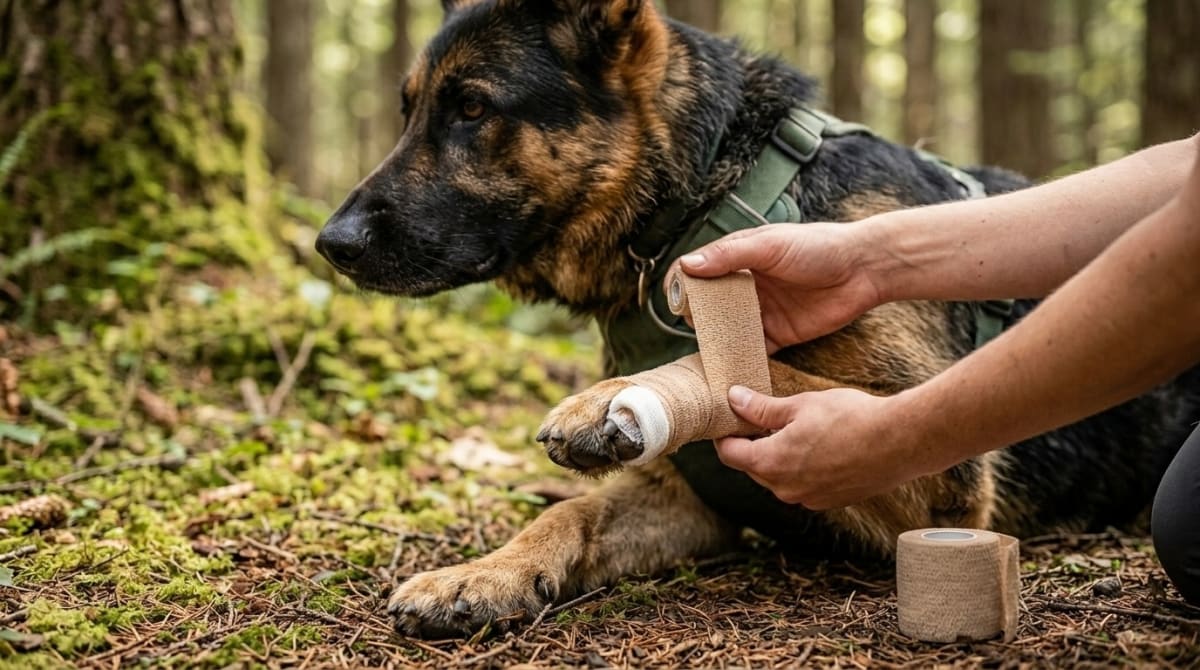
Place the non-stick pad against the torn nail. Wrap the gauze roll around the entire paw. Start at the toes and work up the leg to prevent fluid from pooling in the foot, but be careful not to crank the tension too high. Jasper's sheer weight makes paw swelling a major concern, and if we accidentally restrict his blood circulation under the tape, he simply cannot walk. Slide two fingers under the top edge. If they don't fit, loosen the wrapping right away. Apply the self-adhering tape over the gauze layer to create a durable outer shell that keeps grime out.
Keep the wrap perfectly dry. If you have to cross a creek, carry the dog or secure a thick plastic bag over the injured paw. Wet bandages soften the underlying skin and trap environmental bacteria right against the open wound for the remainder of the hike, creating an incubator for infection before you ever reach the car.
Abort the Hike or Continue
End the hike. Do not push forward. A torn dewclaw is an immediate turnaround event. The internal quick attaches straight to the bone of the dog's toe, meaning an exposed nail bed acts like a dirt funnel straight into the skeletal system. Bone infections destroy tissue. They require highly aggressive medical intervention. Your only goal right now is getting back to the car safely.
Assess the dog's current mobility. Can they walk? Most dogs limp at first but find a workable rhythm once the paw is wrapped tightly. Clipping a dangling nail seems logical. We never do this in the field. Cutting a broken nail hurts immensely, and you risk a severe bite from a stressed dog standing on the side of a mountain. Tuck the dangling piece carefully inside the bandage. Let the clinic handle the surgical removal later.
Keep the hiking pace slow and offer water frequently. Watch the outside of the bandage for fresh blood spots blooming through the tape. If Jasper stops walking or refuses to bear any weight on the leg, we use a sturdy rescue harness with a top handle to lift his front half and assist his balance over those remaining miles.
The Bone Infection Risk
Do not skip the vet visit just because the bleeding finally stopped. The hard keratin shell is permanently compromised. A veterinarian needs to thoroughly flush the deep wound under controlled clinical conditions and prescribe oral antibiotics to prevent a dangerous tissue infection that could permanently damage the foot. They will cut the damaged nail well above the break to create a clean edge for future regrowth, often using local nerve blocks or mild sedation to manage the intense pain. Do not try this deep trimming at home.
We drove Jasper to the local clinic the same afternoon we got off the mountain. The vet removed the cracked shell and handed over a mandatory two-week course of antibiotics. Healing takes time. The nail bed stays incredibly sore for days after the initial trauma. The bone and quick fuse directly. Surface infections travel inward fast. Untreated osteomyelitis leads to toe amputation. A medical evaluation confirms the underlying skeletal structure survived the impact.
Prevention Strategies
Maintenance prevents the worst injuries. Check those dewclaws every two weeks. Clip the tips off. Keep the nail short enough that it cannot hook onto a stray tree root. We run a motorized grinding tool over Jasper's nails to round off the sharp edges before long backpacking trips. Smooth edges glance off granite instead of catching.
Consider protective trail boots for rugged scrambles. Boots cover the entire paw and pin the dewclaw safely against the leg. Introduce them slowly at home so the dog learns to walk normally. Pay close attention to the trail surface itself. Slow the dog down on root-covered descents where slipping is inevitable. We actually train Jasper to walk behind us on steep downhills to control his downward momentum. If a 95-pound dog runs full speed down a rocky decline, their sudden braking force puts immense biomechanical stress on those fragile front toes, dramatically increasing the risk of a severe tear. Taking the descent at a walk protects the nails. It also saves a five-hundred-dollar emergency clinic bill.
Frequently Asked Questions
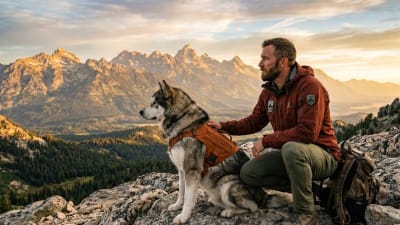
Kelly brings an engineering mindset to dog hiking gear. After thousands of miles with Jasper testing every harness, pack, and boot on the market, he knows what holds up and what fails.