 Paths & Paws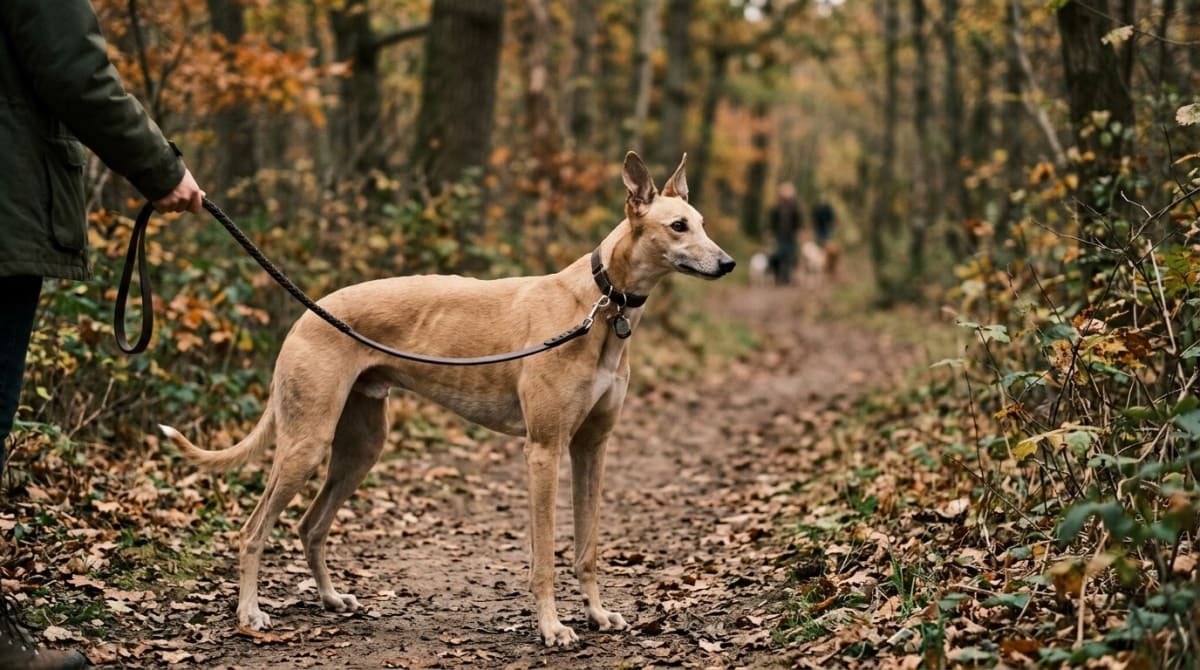
Most folks assume a dog built to hit forty-five miles per hour needs endless off-leash trail running. That assumption gets dogs hurt. My 50-pound Lab mix rescue, Scout, loves chasing squirrels up trees. But hiking with our friend's rescued racing Greyhound, Ranger, showed us the terrifying reality of true prey drive. These dogs are visual hunters. They are wired for short sprints, not mountain endurance. A 2016 study in Frontiers in Veterinary Science tracked racing greyhounds and found their body temperatures absolutely skyrocket during intense exercise in warm weather, creating a severe risk for heat illness. Trail miles demand a totally different mindset. We learned to move slower. We stop way more often. We traded off-leash freedom for rigid leash structure, and the reward is a quiet companion that picks through technical rock fields with feline grace. Keep them tethered and keep them cool.
Key Takeaways
- 1Sighthounds cannot be trusted off-leash on trails. They hit top speed in 3 strides and recall commands stop working the moment prey drive activates
- 2Use an escape-proof harness with a third belly strap behind the ribcage. Standard harnesses and neck collars are both dangerous for this breed
- 3Their thermal comfort zone is razor thin. Exercise above 70°F risks heat stroke and they need a jacket below 50°F due to near-zero body fat
- 4Start at 2-mile loops and expect a wall around 4-6 miles. Private fenced spaces and lure coursing satisfy their sprint drive far better than trail miles
Understanding Sighthound Physiology
Taking a Whippet or Greyhound into the woods requires throwing out the Golden Retriever playbook. Their bodies just operate on a different frequency. Sighthounds pack a massive percentage of fast-twitch muscle fibers, which gives them explosive speed for running down moving targets but leaves them without the stamina for ten-mile ascents. Their muscles fatigue quickly on sustained climbs.
When a sighthound pushes too hard the consequences turn nasty. They are highly prone to a condition called exertional rhabdomyolysis. Muscle tissue literally breaks down and floods the kidneys with proteins. This means a rushed trip to the emergency vet. Keep those trail miles moderate.
We also have to factor in their huge hearts and high red blood cell counts compared to other breeds. This internal plumbing delivers maximum oxygen to their muscles during a dead sprint, optimizing their entire cardiovascular system for a thirty-second chase. Pushing them past that biological limit forces their body into a panic state.
Temperature management ends up dictating the entire schedule. Sighthounds carry zero insulation. Very little body fat and paper-thin skin means they cannot handle cold and completely fail to regulate heat when the sun beats down. They soak up environmental heat quickly and struggle to dump it. That 2016 research proved ambient heat sharply limits a greyhound's ability to exercise safely, making temperature checks our top priority the second we leave the trailhead and head into exposed dirt.
Then there are the paws. Sighthounds stand on compact feet designed for gripping soft dirt tracks and manicured turf. Jagged rock shreds those pads. Scout scrambles over granite boulders all day without a second thought while Ranger requires sturdy boots on anything rougher than packed dirt. We inspect his feet after every single mile. Cuts happen in a flash. A minor scrape ends a hike early because their skin tears much easier than standard breeds, leaving the dog wide open to deep infections and prolonged recovery periods.
Managing High Prey Drive on the Trail
Can sighthounds hike off-leash? The answer is no. Period. When a Greyhound spots a deer, ancient instinct overrides every bit of training we have poured into them. They hit top speed in three strides. If they bolt into thick brush they will get lost, tear their fragile skin on thorns, get trapped in deep ravines, or run blindly into traffic.
What You Need
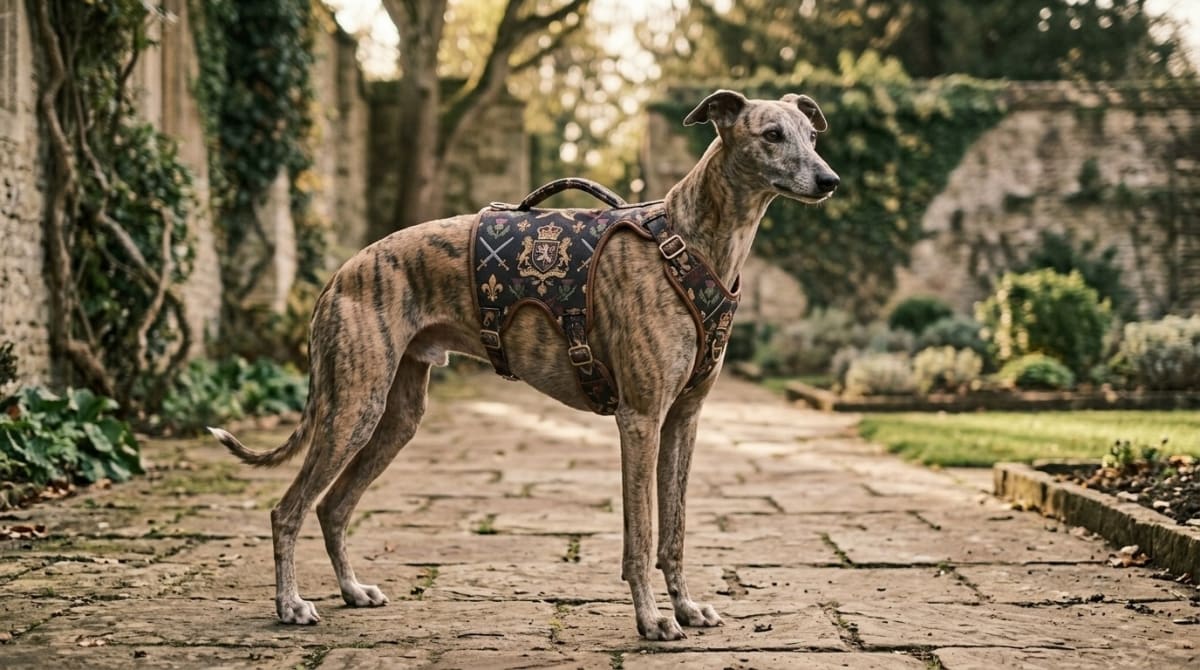
- Fitted escape-proof harness with a third belly strap (behind the ribcage)
- Fixed-length six-foot biothane leash
- High-value dried liver treats
- Secondary flat collar for backup ID tags only
Step-By-Step Trail Management
Rig the right harness. Sighthounds feature deep chests and impossibly narrow heads, meaning they will back out of a standard dog harness in two seconds flat. We use a design with a third belly strap sitting behind the ribcage. The Ruffwear Web Master gives us that reliable security. Snapping a leash to a standard collar creates a lethal risk. Their neck is thicker than their skull. If they hit the end of a line wearing only a collar they will crush their trachea.
Hold the leash like you mean it. Slip the loop over the thumb and close the fist tight. Never clip a retractable leash to a sighthound. The sudden violent force of a sprinting dog hitting the end of a thin nylon cord can easily dislocate a human shoulder or snap an animal's neck.
Scan the horizon. We have to spot the squirrel before the dog does. Sighthounds hunt by sight up to a half-mile out. If wildlife pops up, choke up on the leash and brace the core.
Execute the U-turn maneuver. When prey appears do not try to make the dog sit and watch calmly. Spin 180 degrees and march briskly in the opposite direction while shoving liver treats at their nose.
Common Mistakes
Most folks wildly underestimate the sheer momentum of a bolting hound. A sixty-pound Greyhound hitting the gas generates terrifying kinetic energy. Holding a leash loosely when a hound lunges after a rabbit just results in nylon burning straight through bare hands while the owner watches their dog vanish into the wilderness. We always grab the traffic handle near the harness for close control when passing folks on narrow switchbacks.
Relying on verbal recall is another rookie error. Scout spins around to her name right away on our hikes. Sighthounds enter a spooky state of hyper-focus during a chase and literally do not process audio commands once that switch flips in their brain. Do not trust their recall outside a fence. The behavior patterns that make sighthounds bolt also make them prone to reacting badly to other dogs — our guide on hiking with a reactive dog covers the broader leash management groundwork that applies here too.
We learned to read pre-chase body language the hard way. A sighthound rarely barks before launching. They freeze solid. Their ears prick sharply forward and the tail drops dead. The muscles in the hind legs bunch up like coiled springs. We get about one second to react when this sequence starts. Pull them in close and step off the dirt. Blocking their line of sight with a leg or torso helps break the visual lock on the target, buying just enough time to execute a U-turn and drag the dog away from the trigger before total panic sets in.
Temperature and Stamina Limits
Summer trail days with sighthounds demand serious paranoia. Their thermal comfort zone is razor thin.
Overheating Risks
When the thermometer climbs above 70 degrees we completely rethink the route. Sighthounds physically cannot pant fast enough to dump excess body heat during sustained effort. Heat stroke sneaks up rapidly. Watch for heavy drooling or a dark purple tongue. Check if the gums look pale or the gait gets wobbly. If those red flags pop up, stop walking immediately. Soak their belly with cool water and carry them to whatever shade exists. Walking on baking pavement or exposed slickrock blisters unprotected paw pads within minutes, resulting in gnarly tissue burns that demand professional veterinary intervention and heavy pain meds. Our breakdown of dog boots vs paw wax for hiking is worth reading before you decide how to protect Ranger's feet on rock.
Cold Weather Rules
Winter needs just as much gear planning. Sighthounds lack an undercoat entirely. We dress the dog in a fitted fleece or insulated jacket if the mercury drops below 50 degrees. Scout stays toasty just by trotting along. Ranger starts violently shivering at the trailhead if a mild breeze kicks up, so we always pack an extra layer for him. A hound bleeds heat continuously through that delicate skin.
Distance Limits
Start with short two-mile loops on flat dirt. Watch their breathing and stride closely. We build endurance over several months. Most sighthounds hit a wall at around four to six miles since they are built for the couch and the sprint track. Do not force them into becoming mountaineers.
Sighthounds also require regular pit stops. Every two miles we find a shaded patch and let them sprawl out. Do not drag them along if they start lagging behind. A tired dog gets sloppy on technical terrain. They might stumble over a root system or rip a claw on a loose rock. We strap a lightweight foam pad to our pack for Ranger so he does not have to rest his bony frame on hard ground, and this tiny comfort makes a massive difference in his overall stamina. Ignoring these warning signs of fatigue and pushing a sighthound past biological limits risks permanent orthopedic damage to joints designed exclusively for explosive sprinting rather than endless miles.
Safer Exercise Alternatives
Letting a sighthound cut loose requires a fortress. The trail is never that place.
Rent a private plot of land. Apps like Sniffspot let users book fully fenced acres where a dog can finally sprint safely. Check the fence specs before booking anything. Sighthounds easily clear a standard four-foot chain-link barrier without breaking stride. Look for a secure six-foot enclosure.
Focus on mental drain instead of physical exhaustion. Sniffaris offer amazing stimulation. We clip the hound to a long line in an open grassy field and let the dog dictate the pace. Processing complex new smells burns serious mental energy without trashing joint cartilage. Ten minutes of intense scent work tires a dog out way faster than a forced two-mile jog. Hide treats in tall brush to trigger foraging instincts. This low-impact game keeps the mind sharp while protecting fragile bones from trail wear.
Try amateur lure coursing. Local kennel clubs host controlled events in highly secured areas where the dog gets to chase a mechanical plastic bag. This safely satisfies the deep genetic drive to hunt while keeping the animal miles away from actual wildlife and unpredictable trail hazards.
Wide open beaches make another great option during the rainy off-season. Wet sand provides a forgiving low-impact surface that protects joints during high-speed runs. Verify local leash laws first since many beaches ban dogs completely during summer tourist months. Scan the sand for broken glass or sharp shells before unclipping the leash. Never expect a sighthound to swim for exercise since that lack of body fat makes them terribly inefficient swimmers who chill dangerously fast in cold water.
Bicycle attachments are another trendy option for high-energy breeds. Never try these with a sighthound. Their prey drive makes cycling a death trap for both rider and dog. If a Whippet lunges at a passing rabbit while tethered to a bike frame, the dog will rip the rider straight over the handlebars. Stick to activities where both feet remain firmly planted in the dirt.
Frequently Asked Questions
Filed under
Sarah is learning to hike with dogs alongside her readers. Scout is her first trail companion, and she shares every mistake, success, and lesson learned along the way.
References & Further Reading
- Influence of the Environment on Body Temperature of Racing Greyhounds. Front Vet Sci 2016 — Front Vet Sci (2016)