 Paths & Paws
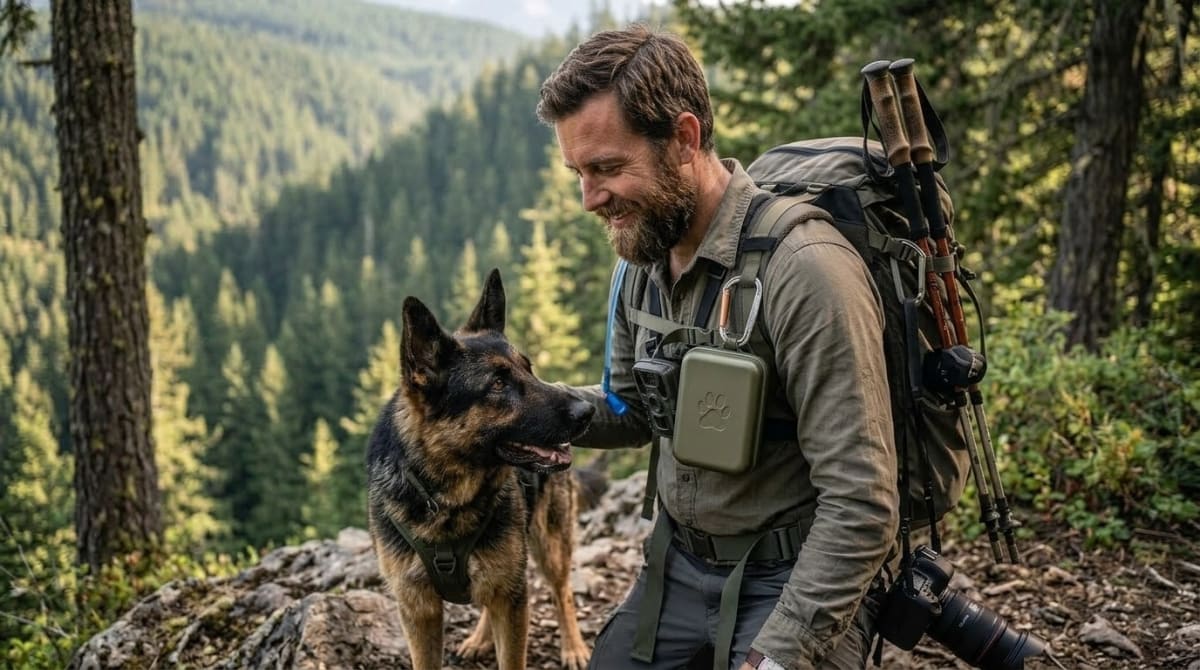
Nobody wants to haul dog poop for three days. Most beginners figure they can just bury it, or worse, flick it off the trail into the brush. Park rangers disagree. High alpine granite and baked desert dirt completely lack the bugs needed to safely eat away canine waste over a long season, meaning you have to pack every single deposit back down to the cars.
Jasper is a 95-pound German Shepherd. His daily output demands serious cargo space. We dragged different setups through the Eastern Sierra for a week to see what actually held up. Standard plastic bags give up early. Summer sun bakes the trapped gas until those thin grocery sacks start venting foul air straight into the sleeping bag compartment. A blowout ends the trip.
Managing that stink takes rigid walls and molecular barrier films. Regular dry sacks just soak up the smell. You want a system built to hold pressure.
Key Takeaways
- 1Bury-it-and-forget-it fails in alpine and desert terrain, so plan on packing out every deposit for the full trip
- 2A crush-proof outer shell paired with an OPSAK molecular barrier bag stops odor at the source instead of just slowing it down
- 3Strap the container to the outside of the pack, never inside the main compartment, since a single leak there ruins the sleeping bag
- 4White containers reflect heat while black ones bake trapped waste in the sun, so container color directly affects how fast the smell builds
What You Need for the Trail
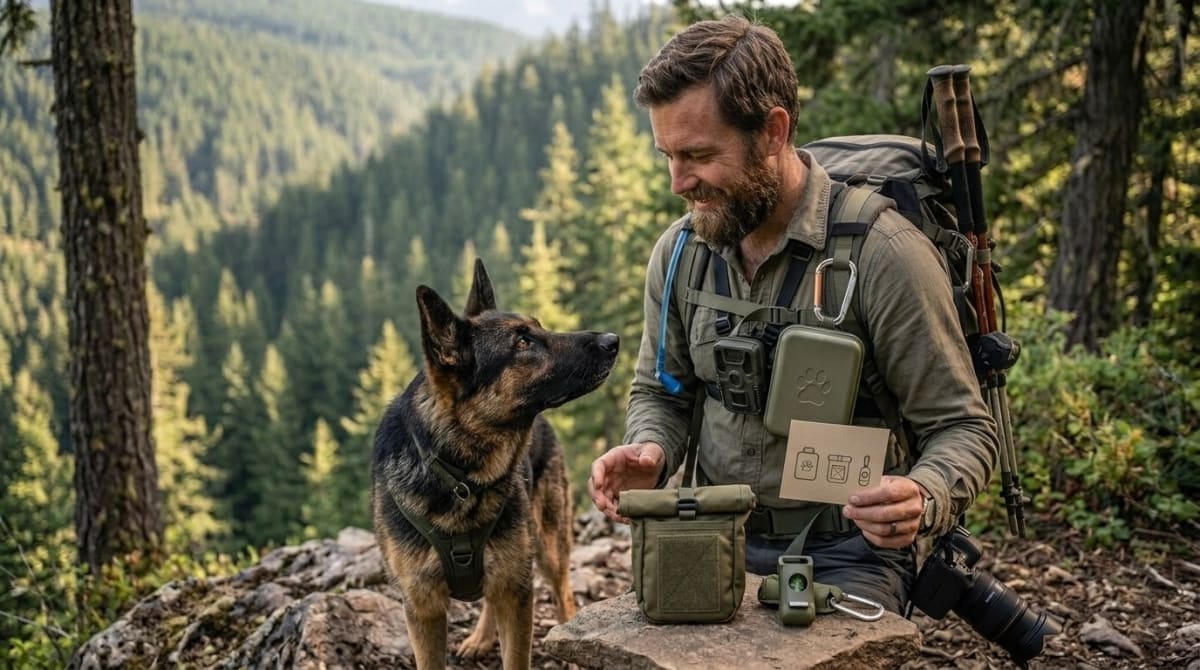
Handling this right means leaving the grocery store aisle behind. A solid system leans on two layers of defense. The inner bag catches the mess. The outer shell kills the scent.
- Thick compostable pickup sacks rated at least 15 microns thick
- A molecular barrier bag (OPSAK or similar)
- A hard exterior housing (Nalgene bottle or PVC pipe vault)
- Carabiners for external attachment
Pickup bags are the main tool. Skip the cheap stuff. Look for bags rated at least fifteen microns thick so a stray fingernail doesn't accidentally punch through the plastic while you are trying to clean up a complicated mess in the dirt.
The outer layer demands specialized gear. We run OPSAK bags for our scent shield. These use a patented multi-layer film originally spun up for bear country food storage. This plastic physically blocks volatile sulfur compounds from slipping through at a microscopic level, while a standard ziplock just slows the stink down a little bit before it completely soaks into the backpack fabric.
For the rigid housing, grab a wide-mouth Nalgene bottle. Or build a custom PVC pipe vault in the garage. Either option keeps the inner bags from bursting open if you happen to drop the pack on jagged granite during a steep scramble.
Step-by-Step Storage Methods
The bulletproof containment strategy involves building a dedicated tube. Rock climbers invented this trick for big wall ascents. Backpackers stole it.
Buy the right pipe
Go to a hardware store and grab a section of four-inch white PVC pipe. White plastic bounces sunlight. Black pipe drinks solar heat. That massive temperature gap keeps the trapped methane from ballooning and popping the threaded cap clean off the container, which is exactly how people end up spraying raw sewage across all their expensive cooking gear.
Seal the ends
Glue a flat cap to the bottom using heavy-duty PVC cement. Slap a threaded cleanout adapter on the top end. The threaded lid gives you easy access while holding a tight seal on the move.
Load the inner bags
Line the entire inside of the PVC tube with an OPSAK bag. When your dog finishes up, grab a regular pickup bag to collect the waste. Tie it off tight. Drop it into the lined tube.
Seal and compress
Push the dead air out of the OPSAK before sealing its double zipper. Twist the threaded PVC cap down hard. You now own a crush-proof vault. It won't leak odors even when trail temperatures crack ninety degrees.
If garage projects sound awful, an old wide-mouth Nalgene offers the exact same structural armor. We ran a one-liter bottle for Jasper on a three-day loop. It held his output and deflected snagging branches during a tumble. A plastic Nalgene weighs less than thick PVC. Building the pipe costs fifteen dollars and takes ten minutes. We cut a twelve-inch section for Jasper. This holds four days of waste without forcing us to smash the bags down with a tent stake.
Where to Attach the Container
Placement dictates trail comfort. Never stash waste containers inside the main backpack compartment. A leak there ruins the sleeping bag.
You have to strap the rig to the outside of the pack. Most hikers use the side water bottle pockets. Slide the Nalgene or PVC tube down into the mesh pocket and lock the top half down with a secondary compression strap so the sloshing heavy load rides nice and tight against your center of gravity.
Alternatively, clip the container to the bottom daisy chains with carabiners. This frees up water capacity. Unfortunately a dangling tube swings wild on every single step. That constant pendulum momentum wrecks physical balance on technical rock scrambles. It also drags painful friction across the lower back as the hard plastic repeatedly bashes the pelvis during steep drop-offs.
Dogs running saddlebags can haul their own waste, as long as you stay inside their safe backpack weight limit. We let Jasper carry his lighter daily loads in an OPSAK tucked inside his harness pocket. We shift the bulk to the rigid tube on my pack before hitting harsh elevation gains to save his joints.
Common Storage Mistakes
People constantly underestimate methane gas. Dog waste vents gas as it breaks down. If you zip standard sandwich bags too tight without squishing the dead air out first, they inflate like cheap balloons until the internal pressure eventually rips the plastic seams wide open.
Another major mistake is trusting regular dry bags. Thin nylon stuff sacks offer zero puncture armor. Jasper bumped against a jagged granite boulder once while carrying a soft dry bag in his saddlebag. The rock sliced clean through the nylon and the internal bags blew out instantly. Hard outer shells fix this permanently.
Finally, stay away from black containers. Dark plastic absorbs solar heat incredibly fast. A black PVC tube strapped to the outside of a backpack practically bakes the raw waste in the afternoon sun, generating so much internal pressure that the resulting chemical stink will eventually punch through even the most expensive molecular barrier films. Paint the container white or wrap it in reflective tape. Keep those internal temperatures down.
Frequently Asked Questions
Kelly brings an engineering mindset to dog hiking gear. After thousands of miles with Jasper testing every harness, pack, and boot on the market, he knows what holds up and what fails.