 Paths & Paws
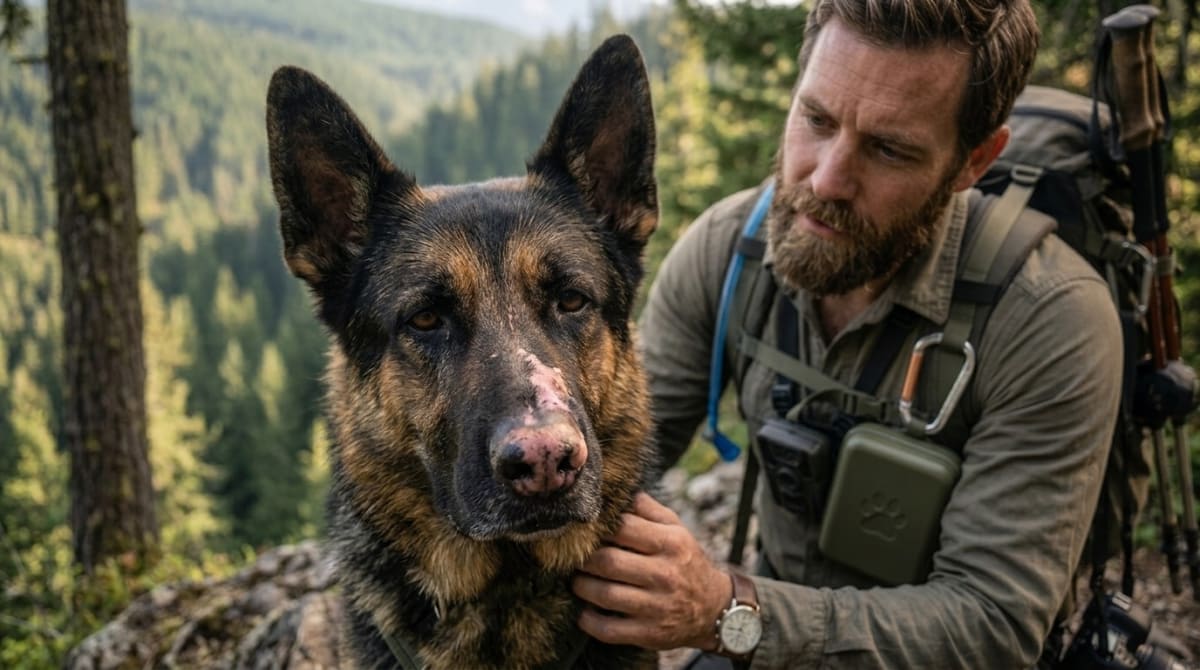
Never put human sunscreen on a dog. Slathering standard SPF onto a dog's nose applies a poisonous dose of heavy metals. Dogs lick their skin. Whatever goes on that coat heads straight into the stomach. We track field reports on trail hazards, and sunscreen poisoning ranks high because the danger hides in plain sight. Jasper is a 95-pound German Shepherd. His thick double coat handles ultraviolet rays beautifully on the back. But his nose and belly stay exposed. I used to think any baby-safe lotion would work for him. I was wrong. The veterinary toxicology data reveals a massive gap between what is safe for human skin and what is safe for canine digestion. Compounds we smear onto our own bodies without a second thought will trigger systemic organ failure in the animals hiking right beside us. Check the ingredient panel before zipping up the trail bag.
Key Takeaways
- 1Zinc oxide, the active ingredient in most mineral sunscreens, destroys red blood cells in dogs and can trigger hemolytic anemia
- 2Salicylates like octyl salicylate and homosalate act like aspirin in a dog's stomach and can cause gastric bleeding
- 3Dog-safe formulas rely on titanium dioxide instead of zinc, since it passes through the digestive tract largely unabsorbed
- 4The nose, ear tips, groin, and belly burn easiest because thin or unpigmented skin gets the least natural protection
The Poison in the Tube
Human sun protection relies on compounds that a canine liver just cannot process. The biggest threat is zinc oxide. You will find it in almost all mineral sunscreens marketed for sensitive human skin. Zinc destroys red blood cells in dogs. It triggers a condition called hemolytic anemia. This starves the body of oxygen as the cells burst and release hemoglobin directly into the bloodstream, which overloads the kidneys and can lead to acute renal failure before you even make it back to the trailhead. Salicylates pose another major threat. They work exactly like aspirin inside a dog's stomach. A few quick licks can trigger gastric bleeding and liver damage that requires immediate veterinary intervention to stop the internal hemorrhaging. Look for octyl salicylate or homosalate on the back of the tube. They absorb ultraviolet light before it hits the skin. They also irritate the mucosal lining of the canine stomach. Check labels for xylitol too. Lots of spray-on sports gels use this artificial sweetener to create a rapid cooling sensation, which causes a huge insulin spike that drops canine blood sugar to dangerous levels within thirty minutes.
The Ingestion Timeline
Toxicity depends on concentration and volume. A single lick might just cause vomiting. Repeated grooming over a four-hour hike raises real poisoning risk. The metals accumulate fast. We tracked licking frequency on our local routes to test this. Jasper licks his nose twelve times per hour. That means a single application gets substantially ingested before we hit the first mile marker. A simple layer of sun protection turns into a heavy metal load sitting right in his digestive tract. Symptoms of zinc poisoning start with lethargy and yellowing of the gums. This can progress to shallow breathing. Dark urine often follows. The cellular breakdown process is painful. Veterinarians sometimes must administer whole blood transfusions to replace destroyed red cells while using chelation therapy to bind the heavy metals and pull them out of the canine bloodstream. Treatment often exceeds three thousand dollars.
Dog-Safe UV Protection
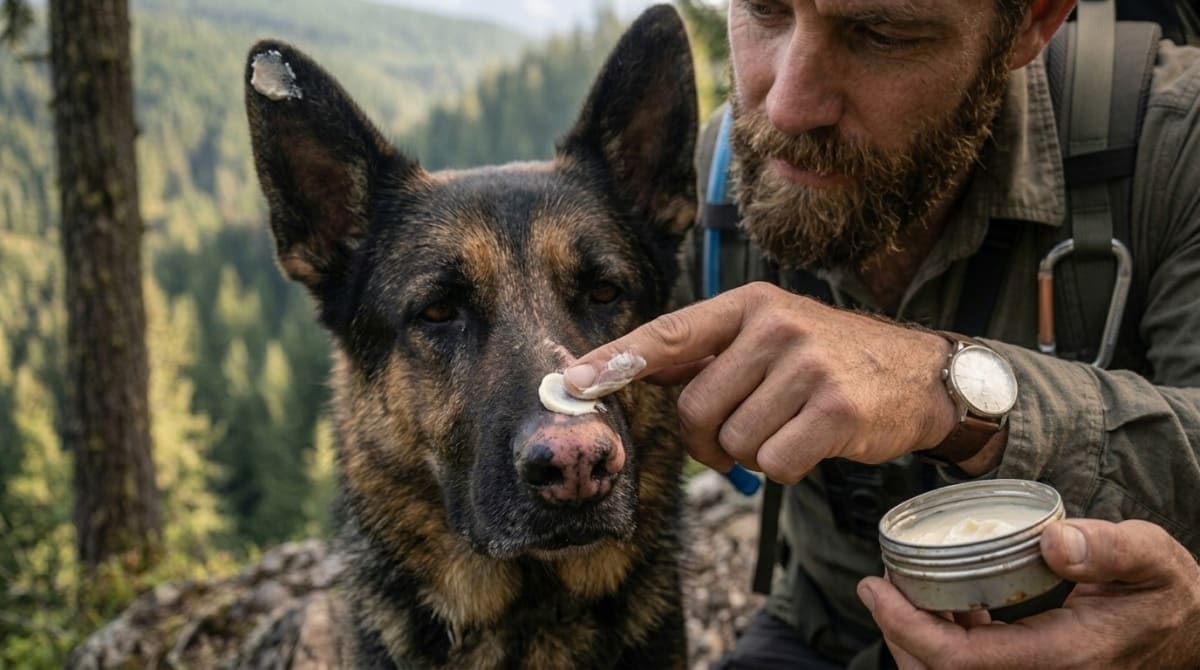
Two reliable options exist for trail protection. The first is finding a sunscreen formulated specifically for dogs. These formulas skip the zinc. They rely on pet-safe blockers like titanium dioxide instead. Titanium dioxide is a large-molecule mineral that passes through the digestive tract largely unabsorbed. It creates a physical shield against incoming ultraviolet radiation that will not break down into harmful byproducts inside the liver, even if your dog licks it constantly during a long hike in the midday sun.
Sun Protection That Actually Works
- Dog-formulated sunscreen with titanium dioxide instead of zinc oxide
- A lotion, not a spray, to avoid inhalation risk near the muzzle
- A UV-blocking shirt for the chest and belly on long exposed stretches
- A cooling vest for heavy-coated breeds on high-elevation ridge lines
Buy lotions instead of aerosol sprays. Sprays pose a real inhalation risk. Pump any spray into your bare hands first and rub it into the fur to bypass the lungs. Fabric covers provide a much safer alternative. We rely on garments for Jasper. UV-blocking shirts cover the exposed chest and belly. This eliminates the ingestion hazard entirely. For a 95-pound German Shepherd, a technical cooling vest often pulls double duty on exposed ridge lines, since heat management matters just as much as UV exposure on summer trails. The textile mesh blocks solar radiation while trapping cool moisture directly against the skin.
Protecting Vulnerable Areas
Not all dogs need full-body garments. White dogs and hairless breeds require the most aggressive protection. For thick-coated dogs you just focus on the vulnerable spots. The bridge of the nose burns easily because the hair naturally thins out near the leather. The ear tips are notoriously prone to squamous cell carcinoma from cumulative sun damage. Veterinarians constantly remind owners to protect these fragile areas during high-elevation summer hikes because the thinner atmosphere at altitude provides far less filtering protection from intense solar radiation beating down on the trail. Check the groin and inner thighs too. Dogs love to sleep on their backs at camp. This posture exposes unpigmented belly skin to direct midday sunlight. Apply the dog-safe formula twenty minutes before hitting the dirt and distract the dog with a puzzle toy until the lotion fully absorbs into the dermal layer. Reapply the lotion every four hours. Water crossings and tall brush will strip the physical barrier away in minutes, the same way stream crossings wash away paw balm faster than owners expect.
Frequently Asked Questions
Filed under
Kelly brings an engineering mindset to dog hiking gear. After thousands of miles with Jasper testing every harness, pack, and boot on the market, he knows what holds up and what fails.
References & Further Reading
- Zinc Poisoning in Pets — VCA Animal Hospitals (2025)