 Paths & Paws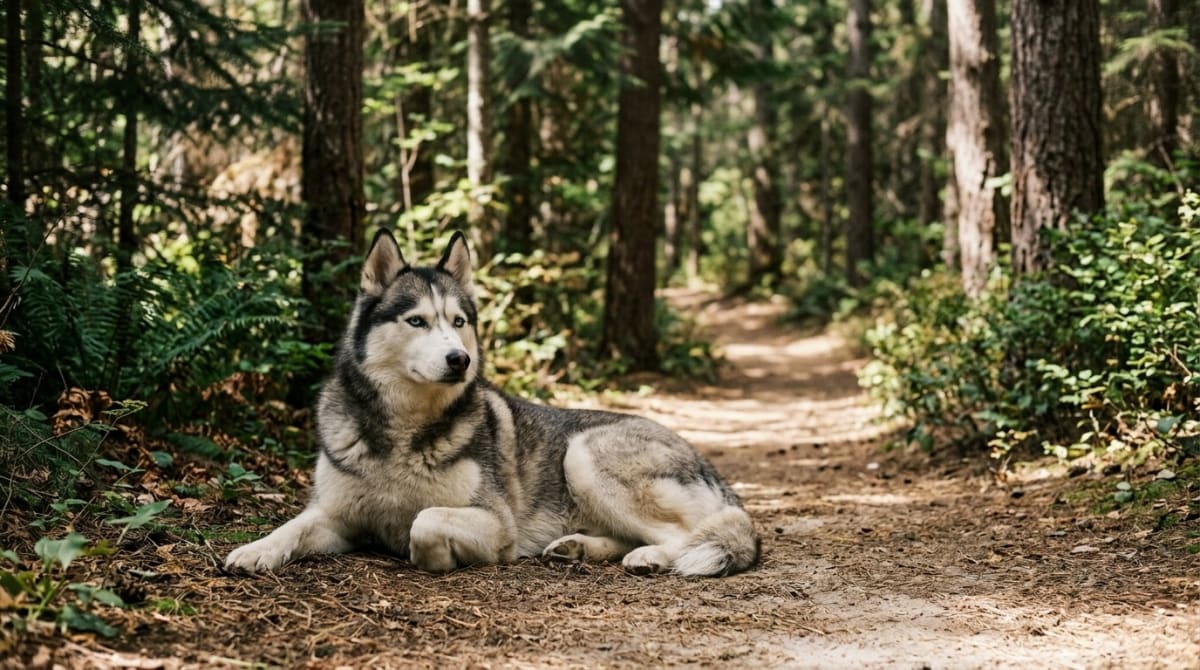
The Quick Answer
Do not shave a Husky or any double-coated dog. Leave the clippers alone. When summer temperatures spike, dog owners tend to panic. We see that thick fur and assume the dog is trapped inside a winter parka. This reaction is entirely wrong. Shaving a double-coated breed wrecks their thermal cooling system. It also exposes their sensitive skin to severe solar radiation.
I learned this fast while navigating summer trails in the Pacific Northwest with Scout, a 50 pound Lab mix rescue who carries a dense double coat that blows out in massive clumps every spring. During our first July heatwave I seriously considered booking a shave down for her because the logic seemed obvious. Less hair equals less heat. Dog fur simply does not function like human clothing.
Taking clippers to a Husky ruins an evolved thermal barrier. We reviewed veterinary dermatology research to track exactly how canine temperature regulation works, finding that the coat operates as a physical shield against the sun. We found that removing it makes heat exhaustion much more likely on an exposed trail.
Key Takeaways
- 1A double coat acts like a thermos, blocking outside heat instead of trapping it
- 2Shaved dogs run hotter, not cooler, and face a much higher sunburn risk
- 3The undercoat and guard hairs regrow at different speeds, sometimes causing permanent matting
- 4Deshedding tools and line brushing manage heat far better than clippers ever could
How a Double Coat Actually Cools a Dog
Most dogs wear a complex two layer system. Single coated dogs like Greyhounds have one layer of hair that grows and sheds constantly. Double coated breeds possess an entirely different physiological blueprint.
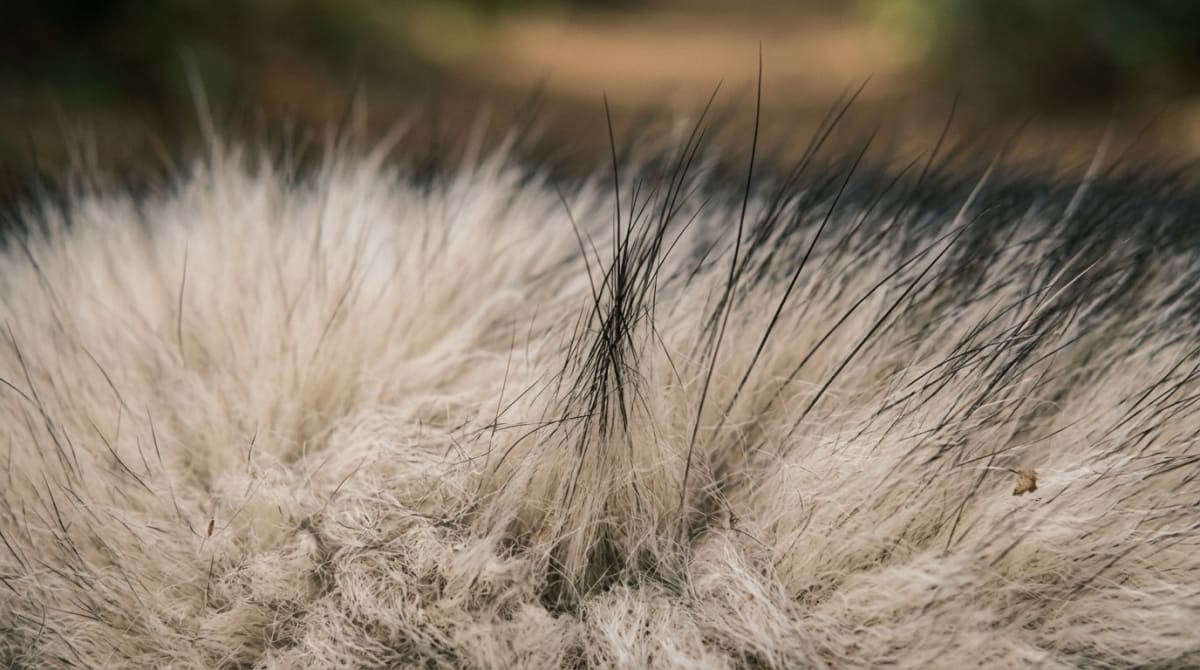
The outer layer consists of stiff, weather resistant guard hairs. These block UV rays, repel rain, stop trail dirt from reaching the skin, and prevent bramble scratches while the inner layer of soft, downy undercoat sits right against the skin to trap air and create an active thermal barrier. Think of it like a vacuum flask. A thermos keeps hot coffee hot in December and keeps ice water cold in July. The insulation works in both directions. That trapped air prevents ambient outdoor heat from reaching a dog's skin.
A 2019 study in the Journal of Thermal Biology measured the surface temperature of dogs with different coat types using infrared thermography. The researchers found that short haired dogs soaked up the most ambient heat. Their body surface temperatures ran nearly two degrees Celsius hotter than double coated dogs. The double coat physically blocks solar radiation.
When a Husky pants they cool the blood circulating through their tongue. That chilled blood travels back to a body protected by the double coat. The insulation keeps the external heat out. Air flows through the guard hairs and over the skin. The dog releases excess heat through respiration while remaining shielded from direct sunlight.
The Hidden Dangers of Shaving
Taking clippers to a thick coat creates immediate and lasting problems. The damage goes far beyond aesthetics.
Clippers strip away that solar shield instantly. Dog skin is incredibly thin. Because breeds like Siberian Huskies never needed skin pigmentation to protect against the sun, since their stiff guard hairs do all the heavy lifting, they will burn dangerously fast when shaved down to the bare skin. Sunburn on a dog causes intense pain while raising their core body temperature. It also spikes the risk of skin cancer.
Shaving leaves them exposed to biting insects. Guard hairs form a physical barricade against mosquitoes, ticks, biting flies, and fleas. A shaved dog walks defenseless against these pests on a woodland hike.
The most lasting damage happens to the coat itself because the two distinct layers do not grow back at the same rate. The soft undercoat grows rapidly. The coarse guard hairs grow very slowly. This mismatched regrowth creates a disaster where the fast growing undercoat overtakes the guard hairs and forms a dense mat across the dog's body.
This matted regrowth traps heat against the skin and absorbs water like a sponge. It catches every burr and twig on the trail. The dog loses all weather resistance.
The hair sometimes never recovers. A 2004 study in Veterinary Dermatology analyzed hair regrowth in dogs after clipping, documenting a condition called post clipping alopecia. The hair cycle fully stalls out after being shaved in many of these dogs. The follicle enters an extended resting phase. The dog ends up with patchy or bald spots that easily last for years and require medical management.
We see this often with older rescues. The shelter shaved them because they were matted to the skin. Two years later their coat remains a damaged mess.
4 Summer Grooming Strategies That Actually Work
Managing the undercoat beats shaving every time. A double coat only works if air can circulate freely through the guard hairs. The undercoat functions exactly like a wool blanket if it packs tight with dead fur. Owners have to pull that dead hair out.
High-Velocity Deshedding
Professional groomers use high velocity dryers to blast dead undercoat out of the fur. This forced air method is the absolute best way to cool a Husky, as the dryer separates the guard hairs and blows the loose downy fluff completely away from the skin without damaging the growth cycle. Owners can buy a dog dryer for home use and blow the coat dry after a bath to clear out the trapped hair.
Line Brushing
Surface brushing does nothing. The brush just glides over the top layer. Owners must use a technique called line brushing. Push the hair up with one hand to expose the skin. Brush the hair down one small section at a time. Work from the bottom of the dog up to the top. Use an undercoat rake with long metal teeth to pull out the dead fluff. The job is done when a metal greyhound comb glides through the coat from the skin to the tips without snagging. This process takes serious time and patience. Plan to spend at least an hour line brushing a large dog before a major summer trip.
Sanitary Trims
Minor clipping is safe in isolated areas. Trimming the hair between the paw pads provides better traction on slick rocks. It also helps dogs dump heat since they sweat through their paws. Groomers can also trim the sanitary areas around the rear end for hygiene. Never take clippers to the back, chest, shoulders, or flanks. Leaving the chest fur intact protects dogs from thorns and abrasive brush on overgrown trails. The long guard hairs sweep trail debris away before it can scratch the skin.
Cooling Vests and Water
A cooling vest provides a safe alternative if a dog needs extra help on a strenuous climb. These vests rely on evaporative cooling. Soak the vest in water and wring it out. As the water evaporates, it pulls heat away from the dog's chest and belly. We use one on Scout when trail temperatures push past 75 degrees, finding that the evaporative cooling pulls heat directly away from her core without altering her natural coat cycle or putting her skin at risk. For a full breakdown of how the science holds up in the field, see do dog cooling vests actually work.
Adjusting Summer Hike Strategies
Grooming only gets you so far. Handlers have to change how they hike. Double coated dogs require extreme caution during the hottest months.
We learned this on a late July hike at Mount Si where the shaded trailhead felt perfectly cool, but the temperature spiked drastically the moment we hit the exposed rocky sections near the summit. Scout started panting heavily. Her tongue grew wide and flat. These are early warning signs of heat stress, so we immediately found shade and took a long break. For the full list of symptoms and when a hike needs to end early, read our guide on dog heat stroke symptoms on the trail.
Hike early in the morning or late in the evening. Avoid the trail between 10 AM and 4 PM. The ambient temperature is only part of the threat. Ground temperatures on exposed dirt or rock easily exceed 120 degrees when the air is 85 degrees. A dog absorbs heat through their paw pads. If a bare hand cannot rest against the trail surface for ten seconds, it is too hot for walking. Pack lightweight dog booties for any exposed stretches of rock or asphalt. Run the seven second trail test before letting a double-coated dog near exposed rock in July.
Bring twice as much water as expected. Offer a drink every 20 minutes. Do not wait for the dog to beg for water. A panting Husky loses moisture rapidly through respiration. We carry a collapsible bowl and pour out small amounts frequently rather than letting Scout gulp a huge volume all at once. Gulping water leads to stomach cramps miles from the trailhead. Our water math for a 5 mile hike breaks down exactly how much to pack.
Watch their behavior closely. A heat stressed dog will naturally slow down and try to pull toward shade. They might seek out mud puddles to lie in. Let them. Mud provides excellent evaporative cooling. We always pack a lightweight tarp to string up between trees to give the dogs immediate shelter when the trail offers zero natural canopy and the afternoon sun beats down.
Frequently Asked Questions
Sarah is learning to hike with dogs alongside her readers. Scout is her first trail companion, and she shares every mistake, success, and lesson learned along the way.
References & Further Reading
- Quantifying body surface temperature differences in canine coat types using infrared thermography — J Therm Biol (2019)
- An analysis of canine hair re-growth after clipping for a surgical procedure — Vet Dermatol (2004)