 Paths & Paws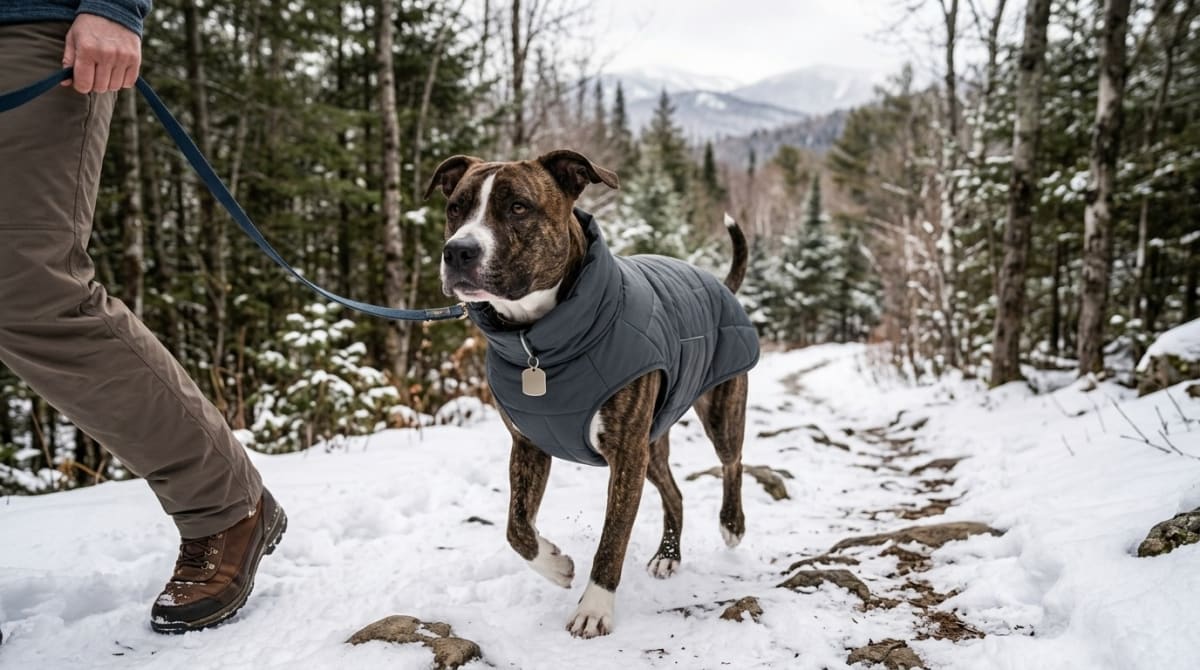
Short-haired dogs face real danger below 32 degrees Fahrenheit. Most owners wait until their dog shivers to turn around. That is way too late. Waiting for shivering means the core body temperature has already plummeted, and on an exposed trail miles from the trailhead this delay leaves an animal vulnerable to a rapid downward spiral of hypothermia.
Scout is my 50-pound Lab mix rescue. Her coat is basically a thin layer of fuzz over bare skin. When we took her up into the Cascades last December we figured her constant running would generate enough internal fire to keep her comfortable despite the frost. We completely misjudged the wind chill. Her gait got stiff and mechanical after barely two miles. Washington State University veterinary guidelines point out that short-haired dogs should not spend more than fifteen minutes unprotected in 32-degree weather. So hitting the trail without a plan is just asking for a medical crisis.
Key Takeaways
- 1Shivering is already a late warning sign - short-haired dogs begin losing core heat well before they visibly show distress at 32°F
- 2Wind chill collapses your safety window fast - 32°F with a 15 mph breeze feels like 19°F to your dog
- 3Check paw pads, ear margins, and tail tip for gray or white skin - frostbite damage is done before any blisters appear
- 4A chest-wrap jacket, boots, and a strict 2-minute rest cap below freezing are the non-negotiables for short-haired breeds in winter
The Temperature Thresholds
Thermometer readings dictate what kind of hike we actually do. At 45 degrees short-haired dogs start looking miserable. They need a light fleece. Hitting 32 degrees flips a switch. Freezing air triggers deep physiological stress because blood vessels in the extremities clamp down to protect vital organs, leaving paw pads and thin ear tips wide open to frostbite. Down at 20 degrees you are looking at extreme danger for any dog missing heavy thermal layers. Tissue damage happens in minutes.
Wind chill drags these baseline numbers down fast. A sunny 32-degree morning with a 15-mile-per-hour breeze feels like 19 degrees to a dog, so their body bleeds internal heat faster than their metabolism can possibly replace it even while charging up a steep incline.
We check the mountain forecast and wind speed before the car even starts. Wind chill below freezing turns a casual walk into a high-risk outing. Dogs cannot complain. You have to monitor the data. Lacking a fuzzy undercoat means they have zero way to trap warm air against their skin. They rely entirely on human intervention to survive these conditions, especially up on exposed ridge lines where weather shifts without warning.
Early Signs of Hypothermia and Frostbite
Catching the initial drop in body temperature usually saves a dog from a full-blown emergency. Shivering is the loudest alarm bell. It means muscles are firing rapidly in a desperate bid to create warmth. Once that shivering stops the situation has turned critical. The internal systems are shutting down.
Keep a close eye on their trail behavior. Cold dogs tend to lag behind. They might cry a bit. Sometimes they just freeze in place and lift one paw off the ice. Scout used to do this weird skipping routine when her feet got numb on packed snow, which we now know was a glaring red flag of early tissue distress.
Frostbite hits the spots with the lowest blood flow first. Check the ear margins and the tail tip. Look at the paw pads. Affected skin turns a ghostly gray or pale white before it ever blisters. Finding discolored skin means the cellular damage is already done, making those regular preventive gear checks on the trail absolutely mandatory if you want to avoid permanent physical harm to a dog's toes. Never rub a frozen ear. Friction destroys the compromised tissues.
Protective Gear That Works
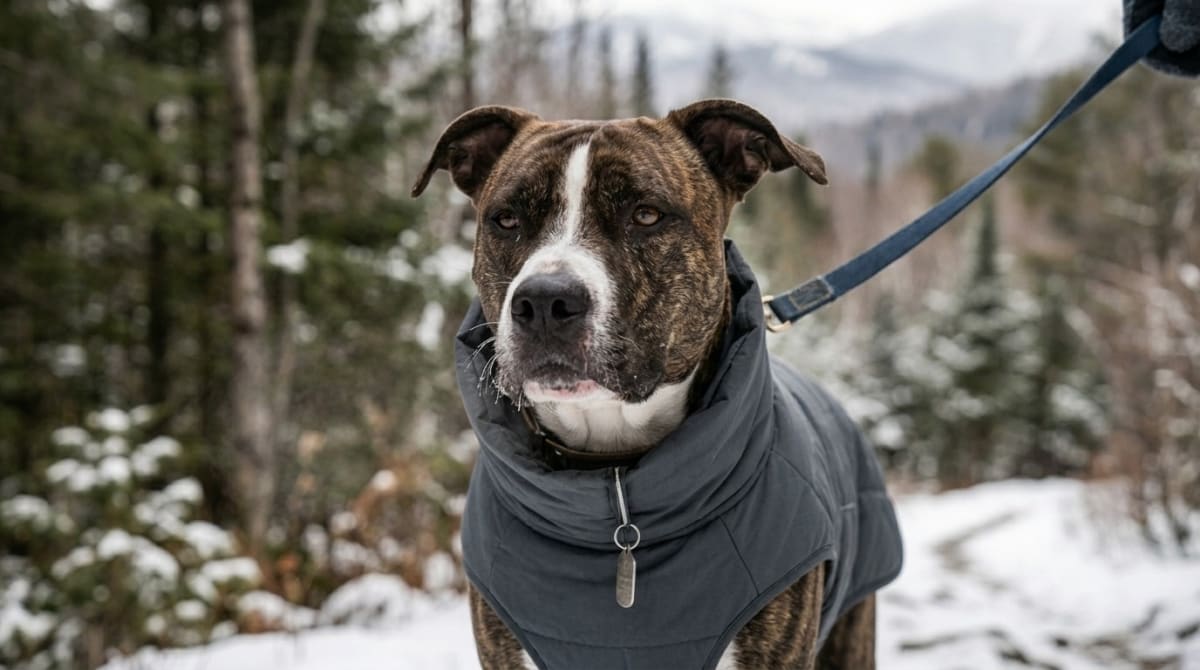
Winter jackets are non-negotiable for short-haired breeds. Find a coat wrapping under the chest and belly since those bare patches bleed warmth the second they hit a deep snowdrift. A tough outer shell cuts the wind. Fleece lining holds the heat.
Boots are the next crucial layer. They stop painful ice balls from wedging between toes and block harsh chemical deicers near parking lots. Scout absolutely loathed boots at first. We spent a solid week bribing her with cheese in the living room before we ever took them outside in the snow. Now she knows the boots mean mountain time. If a dog flat out refuses footwear you must smear a heavy coat of paw wax on their pads before leaving the truck.
Stash a dry towel in the vehicle. Wet fur turns icy quickly once the moving stops. We throw a thick blanket over Scout the second she climbs into the backseat, which helps her core temperature stabilize and gives her a cozy refuge while the truck's heater slowly brings the cabin back up to a livable climate.
Activity Adjustments on the Trail
Winter demands fewer miles. A loop you crush in July might be dangerously long in late December. Plowing through deep powder forces a dog to high-step. That burns through calories quickly. Tired dogs lose their ability to crank out internal heat and that makes them prime targets for hypothermia on the hike back.
Keep the pace up. Lingering at viewpoints just lets the frost settle in. We cap our rests at two minutes max when it dips below freezing. Hydration is still critical though. Cold dry air sucks moisture out of the lungs easily and dehydration cripples the body's ability to regulate its own thermostat. Our dog water needs on a 5-mile hike guide covers the math - winter trips need the same volume even if your dog isn't visibly panting.
Watch the sky. A bright morning frequently devolves into a brutal afternoon up high. Wind speeds often double once you clear the tree line or step into an open valley. We pull the plug on a hike the second the wind gets aggressive. Dragging a freezing dog up a mountain just to tag a summit or finish a planned route usually ends in a veterinary bill that could have been avoided by simply turning the car heater on.
Dog Types at Highest Risk
Genetics dictate who handles the freeze best. Huskies sleep in snowbanks for fun while Pointers start shivering on a brisk autumn walk. Missing that dense double coat completely strips away a dog's natural defense against plunging temperatures.
Body mass changes the math entirely. Little dogs bleed heat much quicker than giant breeds simply because of their surface-to-volume ratio. Their stomachs also drag right against the snowpack. That direct contact sucks the warmth right out of them.
Age factors in heavily too. Puppies have terrible internal thermostats - we cover the full age breakdown for when puppies can safely start hiking, and cold weather pushes that timeline out further. Senior dogs usually battle stiff joints in the cold, slowing them down to a crawl which drastically cuts the amount of friction heat they generate on the move. If your older dog already shows arthritis signs on regular hikes, winter conditions will amplify those symptoms fast. Dogs dealing with heart conditions or diabetes should probably stick to neighborhood walks since their weakened circulatory systems just cannot pump enough warm blood out to their toes when the mercury drops.
Frequently Asked Questions
Filed under
Sarah is learning to hike with dogs alongside her readers. Scout is her first trail companion, and she shares every mistake, success, and lesson learned along the way.
References & Further Reading
- How Cold Is Too Cold for Your Dog? — PetMD (2025)