 Paths & Paws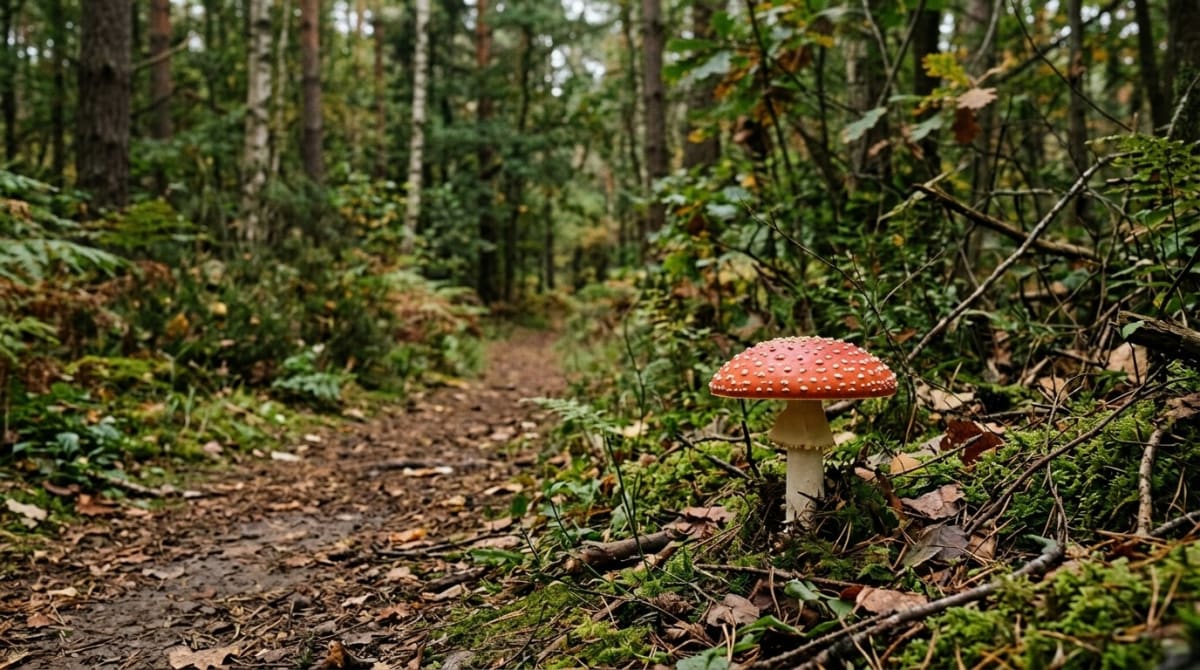
Most of us assume our dogs have some built-in radar to avoid toxic plants on the trail. They don't. A 2023 veterinary evaluation of 421 canine mushroom cases in Norway showed survival rates stay high with treatment but poisoning escalates incredibly fast. Treat every wild fungus like a ticking clock. Jasper is our ninety-five-pound German Shepherd. We figured this out the hard way on the Mount Si trail last spring. He snatched a white cap out of the dirt before I could even tighten the leash. We ended up sprinting two miles back to the truck and rushing straight to an emergency clinic because amatoxins begin destroying liver cells within hours, causing irreversible damage long before any physical signs actually show up in your dog. Waiting for symptoms is a gamble you lose.
Key Takeaways
- 1Never induce vomiting on the trail — some toxins cause rapid neurological decline that makes throwing up a fatal choking hazard
- 2Amanita species look identical to edible mushrooms and are drawn to by dogs due to their faintly fishy smell
- 3Photograph the mushroom and dig out the buried stem base — that base is the key identification feature vets and labs need
- 4Liver-toxic amatoxins show no symptoms for 12-24 hours, so drive straight to the clinic even if the dog looks fine
Common Side Effects
Mushroom toxicity looks nothing like a standard upset stomach. The timeline relies completely on whatever chemical compound they just swallowed. Some fungi trigger an instant reaction. Others hide their damage for days.
Gut issues usually hit first. When muscarinic compounds reach the stomach, vomiting can start within fifteen minutes. Hypersalivation creates thick ropes of drool coating the chest. Diarrhea follows close behind. Abdominal pain makes dogs fiercely guard their midsection. They hunch their backs. They refuse to take another step. If you happen to be several miles deep into a technical hike, carrying a cramping animal back to the trailhead turns into a grueling physical challenge that puts both their safety and your own navigation ability at serious risk.
Neurological signs mean things are getting worse. Wobbliness is a massive red flag. They look drunk. Hind legs might cross while walking and muscle tremors typically start small in the face before spreading fast down the neck and into the major limbs. Disorientation sets in fast. Jasper just stared blankly at a tree trunk for ten solid minutes during his incident, completely unresponsive to my voice or leash pressure while the toxins crossed his blood-brain barrier.
Toxins scale with weight. Even with Jasper pushing nearly a hundred pounds it takes barely any of an Amanita cap to shut down his organs. Small breeds face catastrophic risks from just a tiny nibble. A 2007 diagnostic case study found acute hepatic necrosis triggers rapidly the second amatoxins flood the bloodstream. Liver failure shows up as yellowing gums and total lethargy. These late-stage warning signs usually stay hidden for twelve to twenty-four hours after the hike, which is exactly why vets tell us to skip the waiting game and drive straight to the clinic the moment a dog swallows an unknown cap.
The Most Dangerous Fungi
Learn the worst offenders. The Amanita family claims the most lives. Death Caps and Destroying Angels grow in plain white clusters. They look like grocery store button mushrooms. Fly Agaric caps sport bright red tops with white speckles. Our dogs are drawn to their faintly fishy smell, making these highly lethal varieties a prime target for curious pups who spend their mornings sniffing through wet underbrush.
Cortinarius varieties hide heavy loads of orellanine. That compound goes straight for the kidneys. It acts incredibly fast. Inocybe and Clitocybe species pack massive doses of muscarine, a chemical that essentially overrides the parasympathetic nervous system and forces the entire body into crisis.
Amatoxins survive digestion completely intact. They hunt cells. These compounds hit the liver and jam up the basic cellular machinery the organ uses to build proteins and keep the dog alive. The liver tissue just rots. This delayed breakdown explains why a dog might trot back to the truck looking perfectly fine for an entire day before suddenly crashing, proving that immediate hospital trips are the only real way out of this mess.
Immediate Actions at the Trailhead
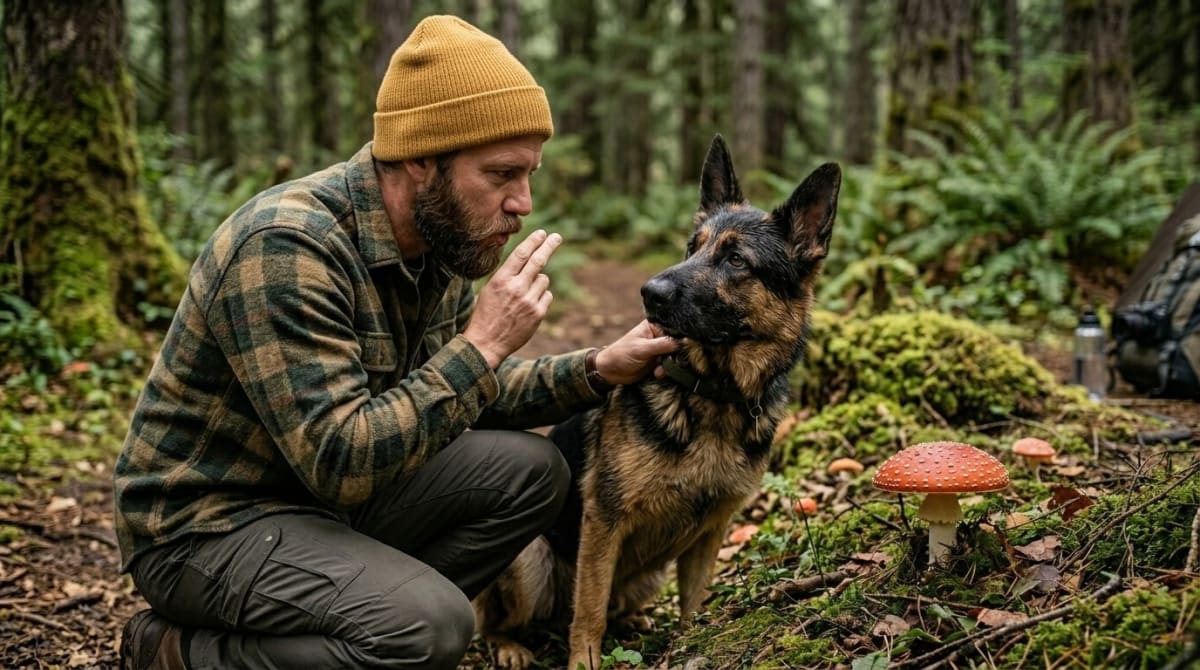
Trailhead decisions dictate the outcome. The timer starts the second they swallow it. Never induce vomiting yourself. Certain toxins force a rapid neurological nose-dive. If a dog loses their gag reflex while throwing up they inhale fluid straight into their lungs, creating a massive secondary crisis. Call the Animal Poison Control Center (888-426-4435) right away. They tell you exactly what to do next based on the suspected species. Having a dog first aid kit on the trail won't treat mushroom poisoning directly, but the activated charcoal some kits include can help bind certain toxins if the ASPCA hotline instructs it.
Grab the evidence. Take clear photos of the mushroom right there in the dirt. Get the cap and the stem. Dig the whole thing out. That buried stem base holds structural clues mycologists rely on for species identification. Toss the sample into a paper bag. Plastic turns fungi into slimy mush that destroys the identifying features. Keeping the physical specimen intact lets the lab pin down the exact species and push the right counteracting drugs.
Get to the truck. Carry the dog if you can. Elevated heart rates just pump toxins through the blood faster. Jasper pushes a hundred pounds, which meant there was zero chance I could haul him down three miles of steep mountain switchbacks. We had to walk out. We took breaks every ten minutes and I called the clinic on the way to give them a head start on pulling the antidote protocols. Hand the paper bag over the second you walk through those clinic doors.
Prevention Training
Good management stops the nightmare. Nobody can scan every inch of a forest floor. You have to train them to ignore ground scores. The "leave it" command is your shield. We drill this endlessly with Jasper. I toss safe things in the dirt. He gets a piece of steak for making eye contact with me instead of sniffing the bait. Dogs are natural scavengers. Practicing a bulletproof verbal redirect every single day builds a critical safety net for those split seconds when your physical leash management slips on a steep rocky scramble.
Leash handling saves dogs. The Pacific Northwest trails explode with thousands of caps after a good rain. Keep them close when pushing through heavy ferns. Retractable leashes give dogs way too much slack to root around behind rotting logs where the worst fungi thrive. Stick to a standard six-foot line. Watch their nose. The second it drops to ground level in dense undergrowth, shorten up and call them back to heel. The same tight leash discipline applies to other trail hazards -- we use nearly identical control habits when we hike with Jasper through rattlesnake country.
Frequently Asked Questions
Kelly brings an engineering mindset to dog hiking gear. After thousands of miles with Jasper testing every harness, pack, and boot on the market, he knows what holds up and what fails.
References & Further Reading
- A retrospective evaluation of mushroom ingestions in 421 dogs in Norway (2011-2022). Vet Rec Open 2023 — Veterinary Record Open (2023)
- Diagnosis of Amanita Toxicosis in a Dog with Acute Hepatic Necrosis. J Vet Diagn Invest 2007 — Journal of Veterinary Diagnostic Investigation (2007)