 Paths & Paws
Ruffwear Approach Dog Pack Weight Limits (Stop Guessing)
We may earn a commission if you make a purchase through links on this page. This helps support our testing methodology. Learn more.
Affiliate Disclosure: Paths & Paws earns commissions from qualifying purchases made through links on this page. This supports our field testing and does not affect our recommendations. We only recommend gear that passes our trail testing standards. Learn more
The Good
- Huge capacity for bulky items and extended trips
- Perforated foam chassis breathes well on warm hikes
- Claimed weight of just 1.1 pounds for a Medium
- Reflective trim shines brightly in low light conditions
The Bad
- Saddlebags rotate instantly if internal weight leans to one side
- Armpit straps require careful adjustment to prevent chafing on deep-chested dogs
"This rig is a highly capable backcountry sherpa that hauls cargo and breathes well, provided you have the patience to carefully distribute every ounce of the payload."
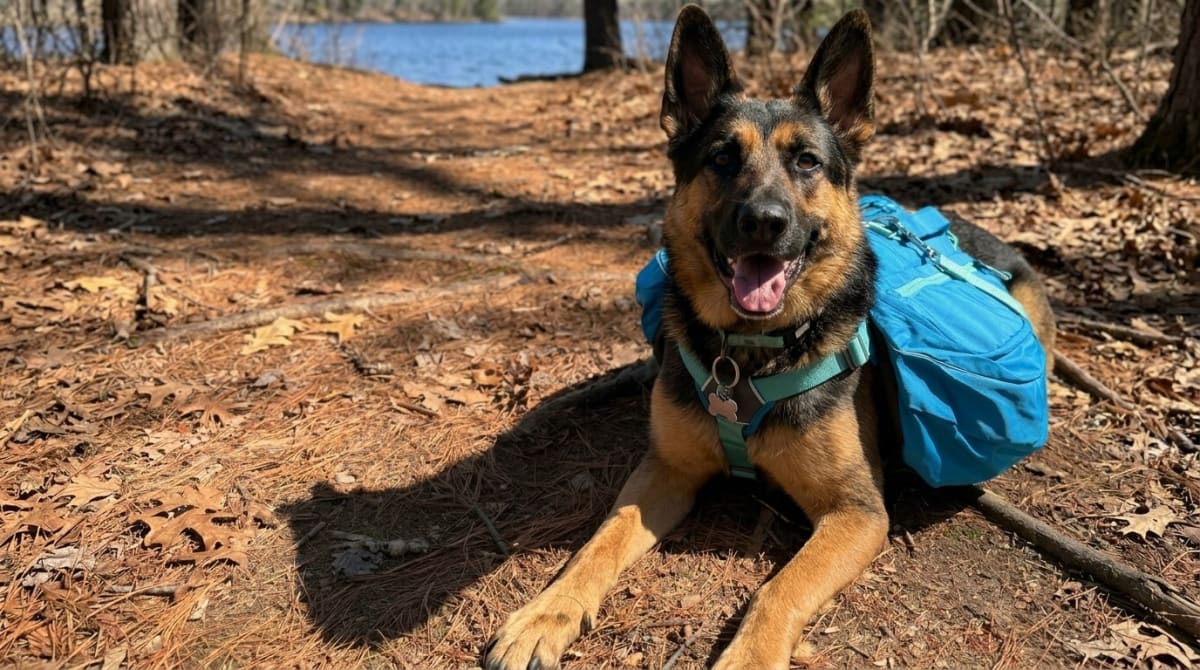
Check price on AmazonSizing a dog pack by scale numbers alone is a mistake. We strapped the Ruffwear Approach Dog Pack onto our 95-pound German Shepherd and watched the saddlebags swing sideways on the very first downhill slope. Load symmetry dictates whether this setup actually functions on the trail. We pushed this rig across rough granite stretches to see if the current iteration survives its historical reputation while noticing the price tag recently tumbled from a typical hundred bucks down to $59.99 on Amazon. Whether that signals a permanent cut or a seasonal markdown remains unknown. We can only detail how it handles gravity. The storage volume is vast. Padding feels substantial. It demands relentless attention to gear distribution.
Girth accommodations range from 17 inches in the XS up to 42 inches in the L/XL, and Ruffwear claims the bare Medium chassis tips the scales at 1.1 pounds before factoring in kibble or water. The exterior utilizes 150-denier polyester stretched over a perforated foam block. Buyers are paying $59.99 at the moment. Corporate literature suggests a dog can safely lug up to 25 percent of their overall body weight in this harness and we think that is a bad idea so we lean toward far lighter burdens for joint safety. Top-access zippers lock the cargo down hard. The built-in skeleton utilizes five adjustment zones.
The Quick Take
- 1The saddlebags dive sideways fast unless water and gear are balanced evenly on both sides
- 2A 34-inch chest put our 95-pound German Shepherd in the L/XL bracket, and the five-point harness took real trailhead time to dial in
- 3We keep loads well under Ruffwear's 25 percent guideline for joint safety
- 4The perforated foam chassis breathes, and Jasper never showed overheating symptoms beneath it
- 5Storage is generous, easily swallowing days of gear with room to spare
Technical Snapshot
Who It's Perfect For
- Large, deep-chested dogs sized into the L/XL bracket (32 to 42-inch girth) who need real capacity for day hikes and overnights
- Owners willing to weigh water and gear before a hike to keep both saddlebags balanced
- Hikers who want a lift-assist handle and two leash attachment points on rough terrain
Who Should Skip It
- Small or short-bodied dogs, where the fixed saddlebag size hangs low, hits mid-leg, and rattles
- Owners who want a set-and-forget pack with no rebalancing between hikes
- Anyone treating Ruffwear's 25 percent body-weight guideline as a safe target rather than a ceiling
Fit and Sizing on a Large Breed
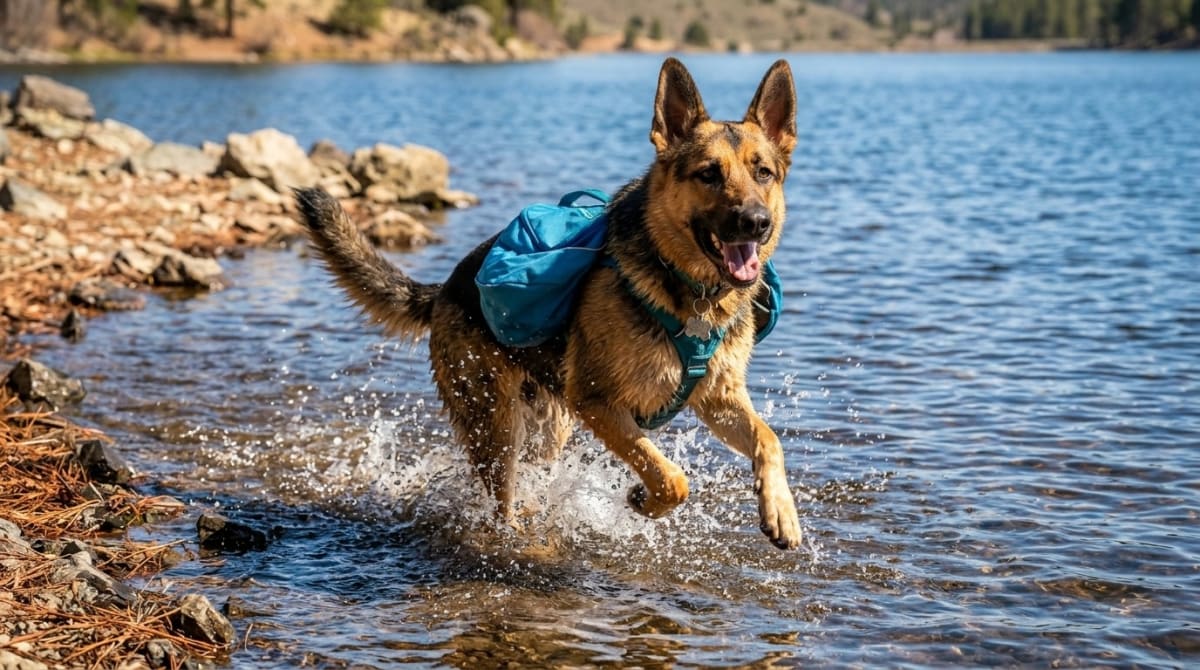
Digging up fit data for a deep-chested animal proved frustrating right out of the gate. We wondered how Jasper would fare with his 95-pound frame since the vast majority of sizing charts seem overly fixated on small and medium canine builds. A deep chest typically invites chafing friction exactly where the lower neck crashes into the breastbone and the straps cross. Jasper is enormous. A 34-inch tape measurement around his ribcage shoved us directly into the L/XL bracket.
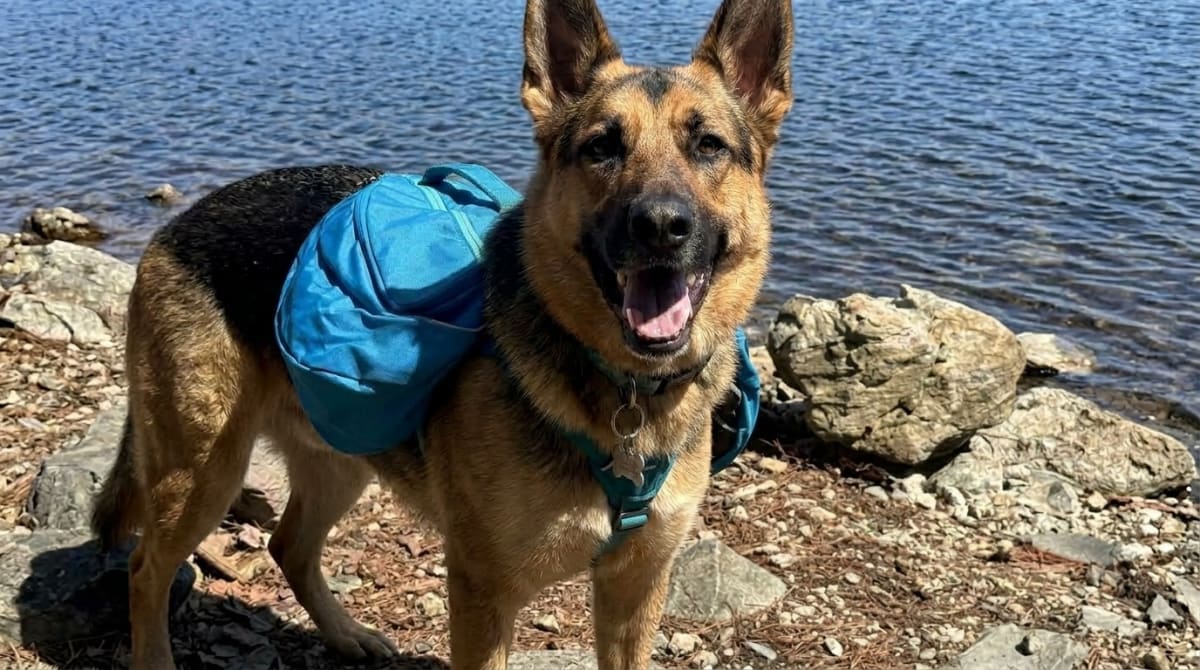
Dialing in the five-point adjustment webbing required significant trailhead patience before we could start walking because the interplay between the five adjustment points means tightening one area inevitably loosens another critical anchor point. It took real time. We had to equalize the chest and belly webbing evenly just to prevent the padded armpit loops from rubbing raw patches into bare skin. A perforated foam underbelly breathes well. We found Jasper never displayed overheating symptoms beneath that primary structural block. Saddlebags sit aggressive and forward. The frontward geometry places the bulk of the 150-denier polyester carriage directly over his front legs.
The Rotation Problem and How to Fix It
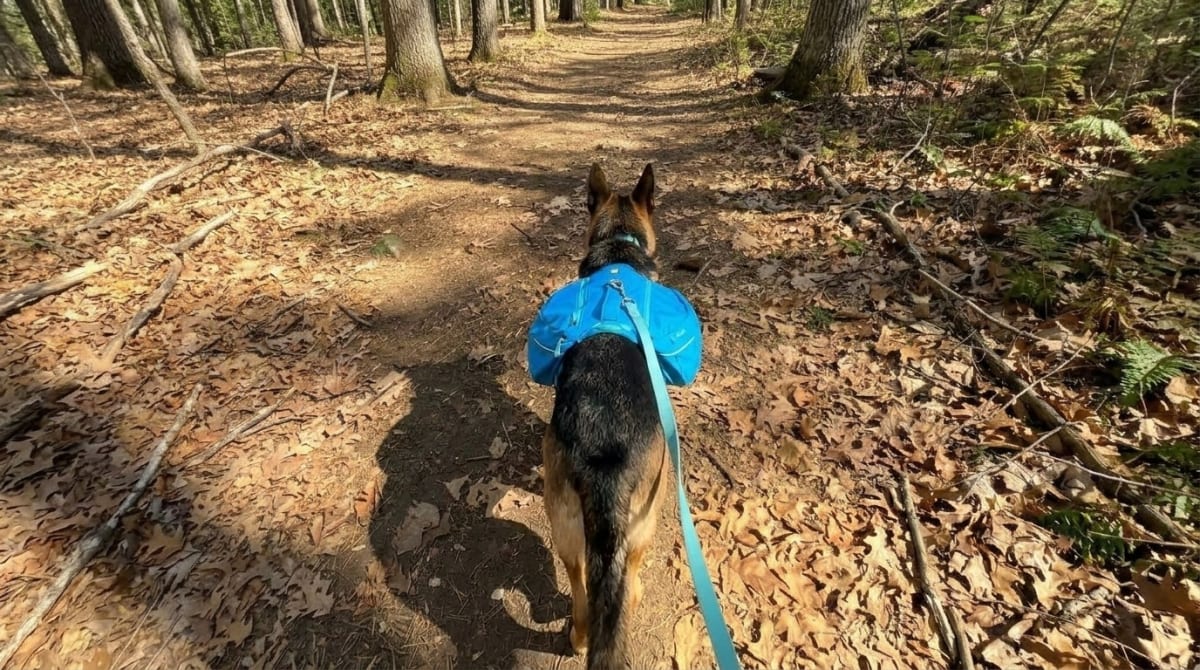
Gravitational swing dictates the entire experience of running this gear. We experienced it firsthand before clearing the first mile of our test hike. The nylon compartments immediately dive sideways the second a load skews slightly asymmetrical. The remedy demands unpacking.
We stashed water on the left flank and a trauma kit on the right and we watched the entire harness instantly slump toward the hydration bladder until we dropped our packs on the dirt to physically relocate the heavier items. Stability returns once the internal mass reaches equilibrium. Those internal tension straps yank the payload tight against the ribcage. We cannot confirm if they actually prevent downhill swing. We just know that matching gram for gram across the spine is the sole remedy here. Strap tension alone cannot cure a saddlebag carrying unequally distributed water weight.
Materials and Long-Term Durability
Ruffwear built a stubborn track record here. The original version of this pack has soaked up roughly fifteen years of trail abuse across abrasive granite without suffering a major structural failure, and that historical footprint generates intense loyalty among people who log serious backcountry mileage. A 150-denier polyester skin ignores deadfall branches. The main zippers run clean even when clogged with dried mud.
We went in carrying a very specific suspicion about the modern production run. Does this iteration feel flimsier than the older batches? We failed to answer that. We lacked a vintage harness to run side-by-side comparisons. What we can confidently state is our test rig held up well over rough ground. Reflective trim runs along the lateral nylon panels.
Load Limits and Capacity
Storage volume never becomes an issue. An L/XL model swallowed three days of kibble while leaving pockets empty. We discovered ample real estate for simple afternoon hike supplies. Safe weight thresholds remain deeply debated.
Corporate guidelines hint a healthy dog might haul a full 25 percent of their total body mass. We think that is a bad idea, and we side with caution. We keep our payload radically lighter than the published ceiling because strapping 24 pounds of gear onto a 95-pound animal creates a staggering physical toll that punishes shoulder joints over ten miles of rough terrain. The stitched webbing survives that tension easily. A canine skeletal system reacts differently. We add single-pound increments only after Jasper proves he understands how these bulging 150-denier flanks alter his turning radius.
What We Liked
We found distinct advantages here. The storage is vast. When pushing through dense timber on extended trips, the oversized compartments swallow bulky sleeping gear while the perforated foam undercarriage successfully vents trapped body heat on ninety-degree afternoons.
- Huge capacity for bulky items and extended trips
- Perforated foam chassis breathes well on warm hikes
- Claimed weight of just 1.1 pounds for a Medium
- Reflective trim shines brightly in low light conditions
What Could Be Better
Certain flaws emerged immediately. Rotation ruins momentum. If you fail to perfectly match water weight across the spine, the saddlebags will swiftly dive sideways into the dirt, and the armpit straps demand constant tweaking just to prevent brutal chafing on animals with deeper chest cavities.
- Saddlebags rotate instantly if internal weight leans to one side
- Armpit straps require careful adjustment to prevent chafing on deep-chested dogs
The "What Else?" Comparison
Ruffwear Approach Pack
$59.99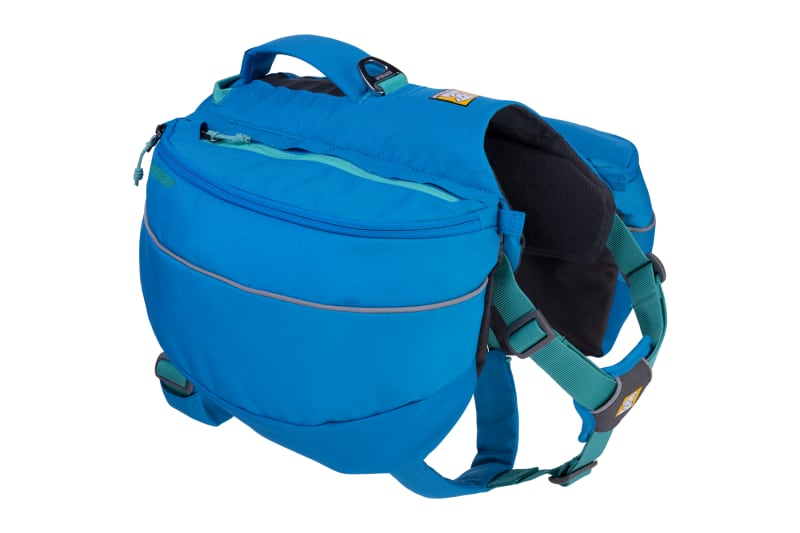
- Five-point adjustable harness with buckle-both-sides saddlebags
- 13-liter Medium capacity versus the Hurtta's 10
- Aluminum V-ring plus webbing loop for two leash points
Hurtta Trail Pack
$99.95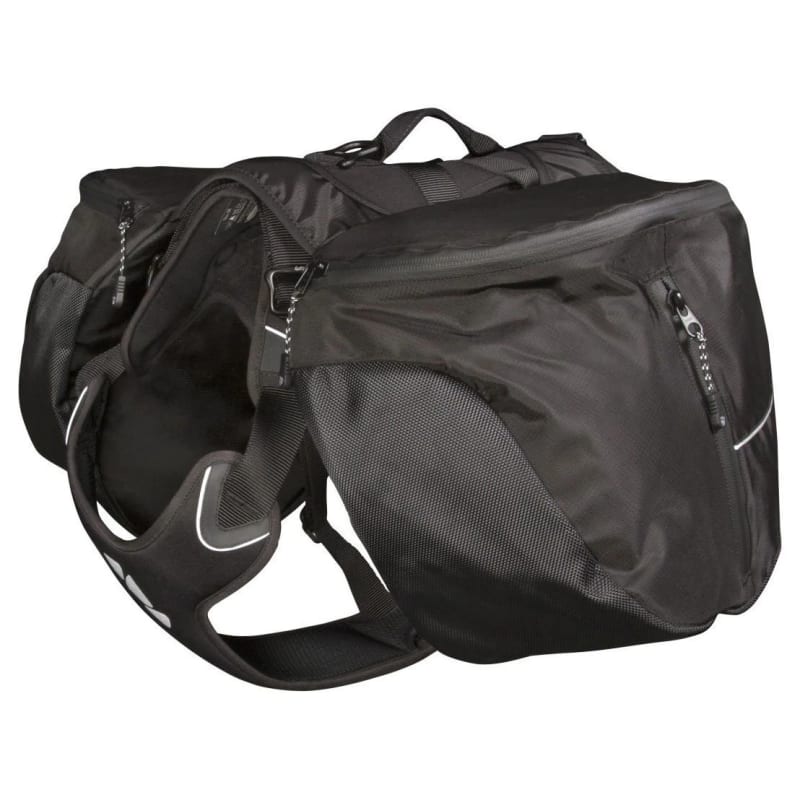
- Tough, abuse-resistant base harness fabric
- Modular saddlebags pull off for daily walks
- 3M reflectors stay visible at night
Verdict: The Approach costs less, carries more in its Medium size, and backs its saddlebags with a dedicated anti-swing feature where the Hurtta relies on a single under-body strap.
What Buyers Are Saying
Aggregated from 99 verified reviews
Rating by Source
What People Love
- +Quality material, dogs adjust to it quickly
- +Doesn't shift when weight is distributed evenly
- +Spacious enough for multiple days of food
- +Leash connection feels durable and well placed
Common Concerns
- -Rotates when the load isn't balanced side to side
- -Only two hooks, more adjustment points requested
- -Leash-clasp area can fray with regular use
A Capable Hauler That Punishes Uneven Loads
This rig is a highly capable backcountry sherpa. It hauls cargo and it breathes well, giving you expansive internal volume alongside a ventilated foam underbelly, provided you have the patience to carefully distribute the payload. A fresh $59.99 price tag makes it a fierce competitor against the pricier Ruffwear Palisades tier, as long as you're willing to weigh the gear before hitting the trailhead.
- 13-liter Medium capacity with room to spare for extended trips
- Claimed 1.1-pound empty weight for the Medium
- Saddlebags roll sideways fast unless water and gear are balanced ounce for ounce
Frequently Asked Questions
Filed under
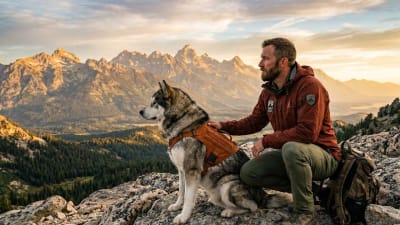
Kelly brings an engineering mindset to dog hiking gear. After thousands of miles with Jasper testing every harness, pack, and boot on the market, he knows what holds up and what fails.